 Trusted Car Reviews, News & Buying Advice.
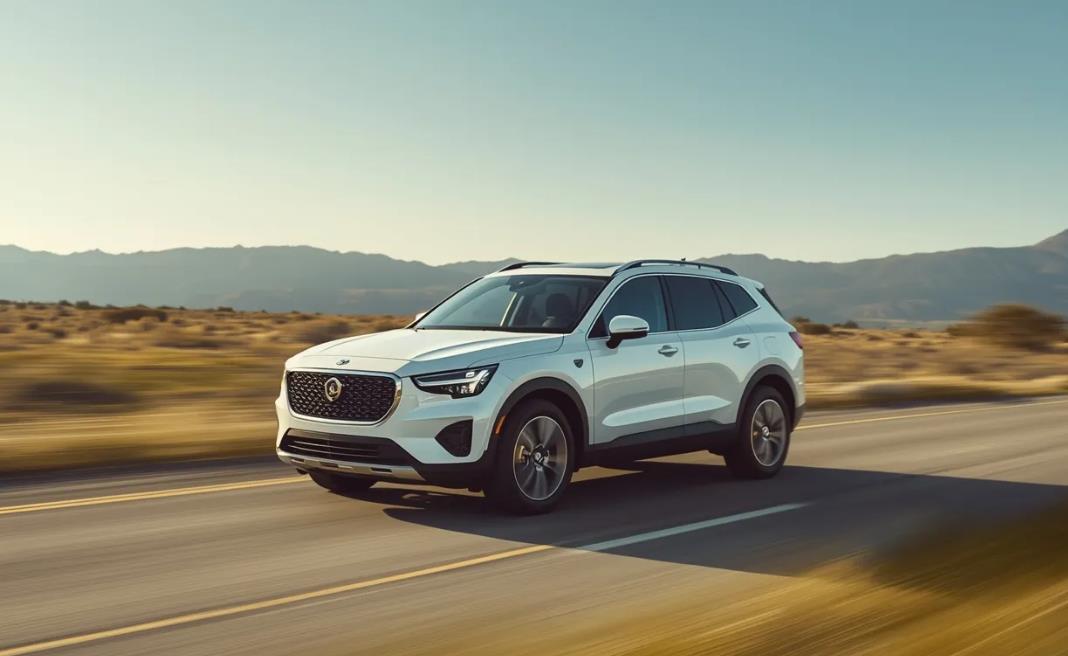
The search for the ideal family vehicle has evolved dramatically over the past decade, and by 2026 the sport utility vehicle has become the dominant format for households across North America and Europe. Families today expect more than simple transportation. They want safety, advanced driver-assistance systems, fuel efficiency or electrification, flexible cargo space, seamless connectivity, and long-term reliability. Because of these expectations, the modern SUV market has become one of the most competitive segments in the automotive industry. Manufacturers invest billions in engineering, electrification, and software development to attract buyers who compare everything from car insurance costs and auto financing rates to maintenance reliability and resale value. For families making a large purchase decision, researching the best SUVs is often tied to broader financial considerations such as vehicle loans, extended warranties, auto insurance quotes, and long-term ownership costs. As a result, the SUVs that dominate 2026 are not simply popular—they represent a combination of safety technology, efficiency, and value that meets the evolving demands of modern households.
In the current automotive landscape, crossover SUVs dominate family buying guides because they offer a balance between comfort, fuel efficiency, and practicality. Unlike traditional body-on-frame SUVs, crossovers typically use unibody construction similar to passenger cars, which improves ride quality and fuel economy. This engineering shift has allowed manufacturers to create vehicles that deliver spacious interiors without the heavy fuel consumption once associated with large utility vehicles. Many families researching the best SUVs in 2026 also explore hybrid and electric options, reflecting the rapid expansion of electrified powertrains. Government incentives for electric vehicles, combined with rising fuel costs and growing environmental awareness, have encouraged buyers to consider alternatives to conventional gasoline engines. These market forces have elevated several standout models that consistently rank at the top of reliability reports, safety rankings, and consumer satisfaction studies.
Among the most influential vehicles in the family SUV category is the Toyota RAV4. For years, this model has been a benchmark for reliability, resale value, and fuel efficiency. The appeal of the RAV4 lies in its practicality. Families appreciate the spacious rear seats, the generous cargo area for groceries or sports equipment, and the availability of hybrid powertrains that significantly reduce fuel costs over the life of the vehicle. In 2026 the RAV4 continues to benefit from Toyota’s reputation for engineering durability, which is a major factor for buyers researching long-term ownership expenses. Lower maintenance costs can have a meaningful impact on overall affordability, particularly when combined with competitive car loan rates and relatively low insurance premiums. For many households comparing vehicles through online auto marketplaces or dealership financing calculators, the RAV4 emerges as one of the most financially sensible choices.
Another SUV frequently highlighted in buying guides is the Honda CR-V. Known for its comfortable ride and exceptional interior space relative to its footprint, the CR-V has built a loyal following among families seeking a dependable daily driver. Honda has invested heavily in hybrid technology, and the hybrid version of the CR-V offers impressive fuel economy while maintaining strong acceleration. Families who commute frequently or travel long distances often prioritize vehicles with lower fuel consumption, especially when calculating the long-term cost of ownership. Beyond efficiency, the CR-V also includes a comprehensive suite of driver-assistance technologies designed to reduce accident risk. These systems, such as adaptive cruise control and collision mitigation braking, not only enhance safety but can also influence insurance premiums, as insurers increasingly reward vehicles equipped with advanced safety technology.
Electric vehicles have also entered the family SUV conversation in a significant way, and one of the most prominent examples is the Tesla Model Y. As one of the world’s best-selling electric SUVs, the Model Y represents the shift toward fully electric mobility. Families interested in reducing fuel expenses often examine the long-term cost comparison between gasoline and electricity, particularly in regions where charging infrastructure has expanded rapidly. The Model Y offers strong acceleration, long driving range, and access to a large charging network, which addresses many concerns associated with electric vehicle ownership. Additionally, many buyers consider government EV tax incentives and lower maintenance requirements when evaluating total ownership costs. Unlike traditional vehicles, electric cars eliminate components such as oil filters and spark plugs, which can reduce service expenses over time. For households evaluating auto financing options or lease deals, the potential savings on fuel and maintenance can be a persuasive factor.
The hybrid SUV category has also gained remarkable traction, and the Hyundai Tucson stands out as a compelling example of how innovation has transformed mainstream family vehicles. Hyundai’s approach combines distinctive design with modern technology, including digital displays, advanced infotainment systems, and hybrid powertrains designed to maximize efficiency. Families increasingly expect their vehicles to function as mobile technology hubs, capable of supporting navigation apps, smartphone integration, and driver assistance features. In many ways, the Tucson reflects the broader automotive trend of integrating software and hardware to improve convenience and safety. Buyers researching SUVs online often compare features such as wireless connectivity, driver monitoring systems, and remote vehicle management through mobile apps. These capabilities contribute to the perception of value and can influence purchasing decisions as much as traditional performance metrics.
Luxury SUVs also remain popular among families who prioritize comfort, performance, and prestige. One of the most recognized vehicles in this category is the BMW X5. Although positioned at a higher price point, the X5 offers an exceptional combination of refinement and advanced engineering. Luxury SUVs often incorporate premium materials, powerful engines, and sophisticated suspension systems that enhance driving comfort. For families who spend significant time on the road—whether commuting between suburbs and cities or traveling long distances—the quiet cabin and supportive seating of a luxury SUV can significantly improve the driving experience. Buyers in this segment often evaluate financing options through premium auto loan programs or leasing arrangements, which allow access to higher-end vehicles with manageable monthly payments. Insurance rates may be higher for luxury models, but many buyers consider the added comfort and technology worth the investment.
Another family favorite in the crossover market is the Mazda CX-5, a model that has earned praise for its driving dynamics and upscale interior design. Mazda has distinguished itself by emphasizing a driver-focused experience, even in practical family vehicles. The CX-5 blends responsive handling with a high-quality cabin that rivals some luxury brands. Families who value both practicality and driving enjoyment often gravitate toward this vehicle. When researching the best SUVs, consumers frequently consider factors such as resale value, warranty coverage, and reliability ratings. The CX-5 performs well in these areas, making it an attractive option for buyers who want premium features without entering the luxury price bracket.
Safety remains one of the most critical considerations when selecting a family SUV. Vehicles such as the Subaru Forester have built reputations around advanced safety engineering and all-weather capability. Subaru’s symmetrical all-wheel-drive system is particularly appealing for families living in regions with heavy rain, snow, or rough terrain. The Forester also integrates a comprehensive suite of driver-assistance technologies that monitor traffic conditions and help prevent collisions. In many markets, safety ratings from independent organizations significantly influence purchasing decisions, as families prioritize vehicles that provide strong occupant protection. Insurance providers often analyze these ratings as well, meaning safer vehicles may qualify for lower insurance premiums, another factor that contributes to long-term affordability.
For larger households requiring additional seating capacity, three-row SUVs remain an essential segment. One standout option is the Kia Telluride, a vehicle that has received widespread acclaim for its spacious interior and premium features at a competitive price. The Telluride offers generous passenger room across all three rows, making it ideal for families who frequently travel with children, relatives, or friends. Its design reflects a broader shift in the automotive industry toward delivering luxury-like amenities in mainstream vehicles. Heated seats, panoramic sunroofs, and advanced infotainment systems are now commonly available in mid-priced SUVs. Families comparing vehicles online often use tools that estimate monthly payments based on loan terms, interest rates, and down payments. In these comparisons, the Telluride often appears as a strong value proposition due to its combination of space, technology, and reliability.
The midsize hybrid SUV category also includes models like the Toyota Highlander, which has become a staple for families needing extra seating without sacrificing efficiency. The hybrid variant of the Highlander delivers impressive fuel economy for a vehicle of its size, making it an appealing option for households balancing space and operating costs. Hybrid technology works by combining a gasoline engine with electric motors to improve efficiency, particularly in city driving conditions where regenerative braking captures energy that would otherwise be lost. Families evaluating large SUVs often compare hybrid models to traditional gasoline vehicles in terms of fuel savings, maintenance costs, and environmental impact. These calculations frequently involve reviewing long-term fuel price projections and potential tax incentives for hybrid vehicles.
Compact yet highly versatile, the Nissan Rogue continues to attract families seeking affordability and modern technology. Nissan has redesigned the Rogue in recent years to emphasize comfort and efficiency, including advanced driver-assistance features that simplify highway driving. For many buyers entering the SUV market for the first time, affordability plays a crucial role. Competitive pricing, attractive lease offers, and manufacturer financing programs can make a significant difference in the decision-making process. Families comparing vehicles through online auto marketplaces often filter results by monthly payment ranges, interest rates, and total ownership costs. Vehicles like the Rogue consistently appear in these searches because they balance cost, practicality, and modern features.
As technology continues to reshape the automotive industry, connectivity and digital services have become major selling points. Many SUVs now include integrated navigation systems, wireless smartphone connectivity, voice-activated controls, and over-the-air software updates. These features transform vehicles into connected platforms that can evolve throughout their lifespan. Consumers researching new SUVs often compare infotainment systems, driver assistance technologies, and autonomous driving capabilities. Some manufacturers even offer subscription-based services that unlock additional features, such as advanced navigation or enhanced driver-assistance modes. These developments illustrate how the automotive industry is increasingly intersecting with the technology sector, creating new opportunities for innovation and competition.
Environmental considerations are also influencing the SUV market. Governments across Europe and North America are implementing stricter emissions regulations and encouraging the adoption of low-emission vehicles through incentives and tax credits. Electric SUVs like the Tesla Model Y represent one approach, while hybrid models from Toyota and Honda offer a transitional solution that reduces fuel consumption without requiring charging infrastructure. Families evaluating these options often compare electricity costs with gasoline prices, analyze charging availability, and calculate the potential savings associated with tax incentives. As charging networks expand and battery technology improves, electric SUVs are expected to become even more attractive for mainstream buyers.
In addition to efficiency and technology, families also prioritize durability and long-term reliability. A vehicle that requires frequent repairs can quickly become expensive, particularly when considering labor costs, replacement parts, and potential downtime. Automotive research organizations publish reliability rankings based on owner surveys and mechanical data, providing valuable insights for consumers. Models such as the Toyota RAV4, Honda CR-V, and Toyota Highlander consistently perform well in these reports, reinforcing their reputation as dependable family vehicles. Reliability also influences resale value, which is an important factor for buyers who plan to trade in or sell their vehicle after several years of ownership.
Financing options play a significant role in the SUV purchasing process as well. Many families rely on auto loans, lease agreements, or manufacturer incentive programs to make vehicle ownership more affordable. Interest rates, loan terms, and credit scores can all influence the final cost of a vehicle over time. Buyers often use online calculators to estimate monthly payments and compare financing offers from banks, credit unions, and dealership lenders. Insurance costs are another critical factor, as premiums vary depending on the vehicle’s safety ratings, repair costs, and theft risk. Families seeking the best value often request multiple insurance quotes to determine how different vehicles affect their long-term expenses.
The SUV market in 2026 reflects a broader transformation within the automotive industry. Electrification, advanced safety systems, and digital connectivity are redefining what families expect from their vehicles. At the same time, traditional values such as reliability, comfort, and practicality remain central to purchasing decisions. The most successful SUVs are those that combine these qualities into a balanced package that meets both emotional and financial needs. Whether a family prioritizes fuel efficiency, cutting-edge technology, spacious interiors, or premium comfort, the vehicles highlighted in this guide represent some of the most compelling choices available today.
Ultimately, selecting the best family SUV involves careful consideration of lifestyle requirements, budget constraints, and long-term ownership costs. The models discussed—from the Toyota RAV4 and Honda CR-V to the Tesla Model Y and Kia Telluride—demonstrate how diverse the modern SUV landscape has become. Each vehicle offers a unique combination of features designed to address the priorities of different households. By evaluating factors such as safety ratings, fuel efficiency, financing options, and insurance costs, families can identify the SUV that best aligns with their needs. As technology continues to advance and new models enter the market, the competition among automakers will only intensify, ensuring that future family SUVs become even more efficient, safer, and more technologically sophisticated.



Leave a Reply