 Trusted Car Reviews, News & Buying Advice.
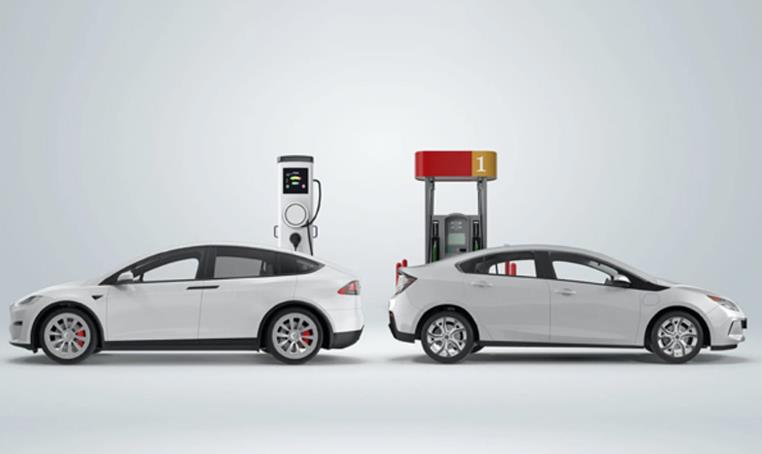
The automotive market in 2026 is undergoing one of the fastest transformations in its history. Electrification is no longer a future concept—it is the present reality shaping how vehicles are designed, manufactured, and purchased. Governments across the United States and Europe continue tightening emissions regulations, charging infrastructure has expanded significantly, and battery technology has reached levels of efficiency that were considered ambitious just a few years ago. In this environment, many buyers find themselves facing a critical decision: should you choose a hybrid vehicle or go fully electric?
This question is no longer just about environmental awareness. It now involves cost efficiency, long-term ownership strategy, infrastructure access, driving habits, and even resale value. Both hybrid and fully electric vehicles (EVs) have matured significantly by 2026, and each category offers compelling advantages. The right choice depends heavily on lifestyle, location, and expectations from vehicle ownership.
To make a rational decision, it is important to go beyond marketing claims and look at real-world performance, ownership costs, technological maturity, and future-proofing potential.
Understanding the Core Difference
At the most basic level, a hybrid vehicle combines a traditional internal combustion engine with an electric motor and battery system. Depending on the type of hybrid, the vehicle may rely on the electric motor at low speeds, use both systems together for performance, or switch between them for efficiency. Plug-in hybrids (PHEVs) add the ability to recharge the battery externally, offering a limited all-electric driving range.
A fully electric vehicle, by contrast, relies entirely on battery power and electric motors. There is no gasoline engine involved. Charging is done through home chargers, workplace stations, or public fast-charging networks. The driving experience is entirely electric from start to finish.
While this distinction sounds simple, the implications are significant when it comes to cost, convenience, maintenance, and long-term viability.
Driving Experience in 2026
One of the most noticeable differences between hybrids and EVs is the driving experience. Fully electric vehicles have become remarkably refined by 2026. Instant torque delivery, near-silent acceleration, and smooth single-speed drivetrains create a driving feel that traditional engines cannot replicate. Many EVs now offer acceleration performance that rivals or exceeds high-performance gasoline vehicles, even in mid-range price categories.
Hybrids, on the other hand, still rely on internal combustion engines for part of their operation. While modern hybrids are significantly smoother than earlier generations, the transition between electric and gasoline power can still be noticeable in some models, especially under hard acceleration. However, hybrids have the advantage of long-range consistency and do not depend on charging availability.
For urban driving, EVs generally feel superior. In stop-and-go traffic, electric motors operate efficiently and quietly, making commuting less stressful. Hybrids remain competitive in mixed driving conditions, especially where highways and long-distance travel are frequent.
Cost of Ownership Comparison
Cost is often the deciding factor for most buyers, and in 2026 the gap between hybrids and EVs has become more nuanced.
Electric vehicles typically have lower running costs. Electricity remains cheaper per mile compared to gasoline in most regions, even with fluctuating energy prices. EVs also require less maintenance because they have fewer moving parts. There are no oil changes, fewer brake replacements due to regenerative braking, and reduced wear on mechanical components.
However, EVs can have higher upfront costs depending on the model and battery size. Although prices have dropped significantly since the early 2020s, premium battery packs still contribute to higher sticker prices compared to equivalent hybrids.
Hybrids offer a middle ground. They are generally more affordable upfront than EVs and provide excellent fuel efficiency, especially in city driving. However, they still require traditional engine maintenance, including oil changes, transmission servicing, and exhaust system upkeep. Over time, these costs accumulate, reducing some of the savings achieved through improved fuel economy.
When calculating total cost of ownership over five to eight years, EVs often come out ahead in regions with strong charging infrastructure and stable electricity pricing. In areas where electricity is expensive or charging access is limited, hybrids may still offer better financial predictability.
Charging vs Refueling Convenience
Convenience is one of the most debated aspects of the EV vs hybrid decision.
Hybrids win in terms of simplicity. Refueling takes only a few minutes at any gas station, and there is no need to plan travel around charging availability. This makes hybrids especially appealing for drivers who frequently travel long distances or live in rural areas with limited charging infrastructure.
Fully electric vehicles require more planning. Even with widespread fast-charging networks in 2026, charging still takes longer than refueling. A fast charger can typically restore 10–80% battery capacity in 20 to 40 minutes, depending on the vehicle. Home charging overnight remains the most convenient method, but it requires access to a dedicated parking space and charging installation.
That said, the convenience gap has narrowed significantly. Many EV owners now treat charging like smartphone charging—plugging in at home and rarely thinking about it during daily use. For predictable commuting patterns, EV charging becomes less of a burden and more of a routine.
The key limitation remains long-distance travel. While EV charging networks across the US and Europe have expanded rapidly, occasional congestion at charging stations and route planning requirements still exist. Hybrids eliminate this concern entirely.
Environmental Impact in Real-World Conditions
From an environmental perspective, EVs are generally considered the cleaner option, especially as electricity grids continue to shift toward renewable energy sources. By 2026, many regions in Europe already generate a significant portion of their electricity from wind, solar, and hydro power, reducing lifecycle emissions from EV usage.
Hybrids still produce tailpipe emissions, although significantly less than conventional gasoline vehicles. Plug-in hybrids can reduce emissions substantially if driven primarily in electric mode, but real-world data shows that many drivers do not charge them consistently, which reduces their environmental benefit.
Battery production for EVs does have an environmental cost, particularly in mining and manufacturing. However, lifecycle assessments increasingly show that EVs offset this impact over time through lower operational emissions.
In short, EVs are ahead environmentally, but hybrids remain a meaningful improvement over traditional combustion engines, especially as a transitional technology.
Range Anxiety vs Flexibility
Range anxiety used to be a major concern for EV buyers, but in 2026 the situation has improved dramatically. Many modern EVs now offer real-world ranges between 300 and 500 miles per charge. Combined with expanding fast-charging networks, long-distance travel is much more feasible than it was five years ago.
However, hybrids still offer unmatched flexibility. A full tank of gas provides instant refueling capability, and combined electric assistance improves fuel efficiency. Plug-in hybrids can operate as electric vehicles for daily commuting while retaining gasoline backup for long trips.
For drivers who frequently travel across regions or prefer not to think about charging logistics, hybrids provide peace of mind. EVs, while improved, still require a shift in planning mindset.
Maintenance and Long-Term Reliability
Electric vehicles have fewer mechanical components, which generally translates to lower maintenance requirements. There are no spark plugs, timing belts, or exhaust systems. Brake wear is reduced due to regenerative braking systems, and drivetrain complexity is significantly lower.
Battery longevity has also improved. Most modern EV batteries in 2026 are designed to last well beyond 150,000 to 200,000 miles with relatively minimal degradation, depending on usage patterns and charging habits.
Hybrids, however, combine two systems—electric and combustion—which means more components that can potentially require maintenance. While modern hybrids are highly reliable, they still carry the long-term maintenance profile of a gasoline engine.
That said, hybrids have one advantage: they are less dependent on charging infrastructure and battery health. Even if the electric system degrades, the gasoline engine ensures continued usability.
Technology and Innovation Trends
In 2026, EVs are at the forefront of automotive innovation. Over-the-air software updates, advanced driver assistance systems, and integrated digital ecosystems are more common in fully electric platforms. Many EV manufacturers treat their vehicles as software-defined platforms, continuously improving performance and features after purchase.
Battery technology is also evolving rapidly, with improvements in energy density, charging speed, and thermal management. Solid-state batteries are beginning to appear in limited production models, promising even greater efficiency and safety.
Hybrids, while technologically mature, are evolving more slowly. Their dual-system nature makes radical innovation more complex. However, they benefit from proven reliability and incremental improvements in fuel efficiency and emissions reduction.
Resale Value and Market Trends
Resale value is becoming an increasingly important consideration. EV resale values have stabilized compared to earlier volatility in the market. As battery longevity concerns diminish and demand increases, used EV markets are becoming more predictable.
Hybrids continue to hold strong resale value, particularly in regions where EV adoption is slower or charging infrastructure remains limited. Their versatility ensures consistent demand among used car buyers.
However, long-term projections suggest that EVs may gain stronger resale stability as infrastructure becomes universal and combustion engines face regulatory restrictions in more regions.
Who Should Buy a Hybrid in 2026?
Hybrids remain an excellent choice for drivers who:
Frequently travel long distances or cross regions without predictable charging access
Live in areas with limited charging infrastructure
Prefer quick refueling and minimal planning
Want lower upfront costs compared to fully electric vehicles
Are not ready to fully transition away from gasoline dependency
Plug-in hybrids, in particular, are ideal for drivers who want to experience electric driving without fully committing to charging infrastructure.
Who Should Buy a Fully Electric Vehicle in 2026?
Fully electric vehicles are ideal for drivers who:
Have access to reliable home or workplace charging
Primarily drive in urban or suburban environments
Want the lowest long-term running costs
Prioritize environmental sustainability
Enjoy advanced technology and digital vehicle ecosystems
EVs are especially compelling for commuters with predictable daily driving patterns, where charging becomes effortless and cost savings accumulate over time.
The Future Outlook Beyond 2026
Looking ahead, the automotive industry is clearly moving toward full electrification. While hybrids still play an important transitional role in 2026, regulatory trends in Europe and parts of the United States are gradually discouraging long-term reliance on combustion engines.
Charging infrastructure will continue expanding, battery technology will continue improving, and production costs for EVs are expected to decline further. Hybrids will likely remain relevant for a transitional period, particularly in regions with slower infrastructure development, but their long-term dominance is unlikely.
By the early 2030s, many analysts expect EVs to become the default choice for new vehicle purchases in most developed markets.
Final Verdict: Hybrid vs Fully Electric in 2026
There is no universal answer, but the gap between hybrids and EVs has clearly shifted.
If your priority is convenience, flexibility, and minimal change in driving habits, hybrids still make strong sense in 2026. They are practical, efficient, and well-suited for a wide range of driving conditions.
If your priority is long-term savings, technological advancement, and environmental impact, fully electric vehicles are increasingly the superior choice. They represent the direction the industry is moving toward, not just an alternative option.
The decision ultimately comes down to how ready you are to embrace the charging ecosystem and whether your daily driving patterns align with electric mobility. In 2026, both options are viable—but they serve different lifestyles, not just different engines.


Leave a Reply