 Trusted Car Reviews, News & Buying Advice.
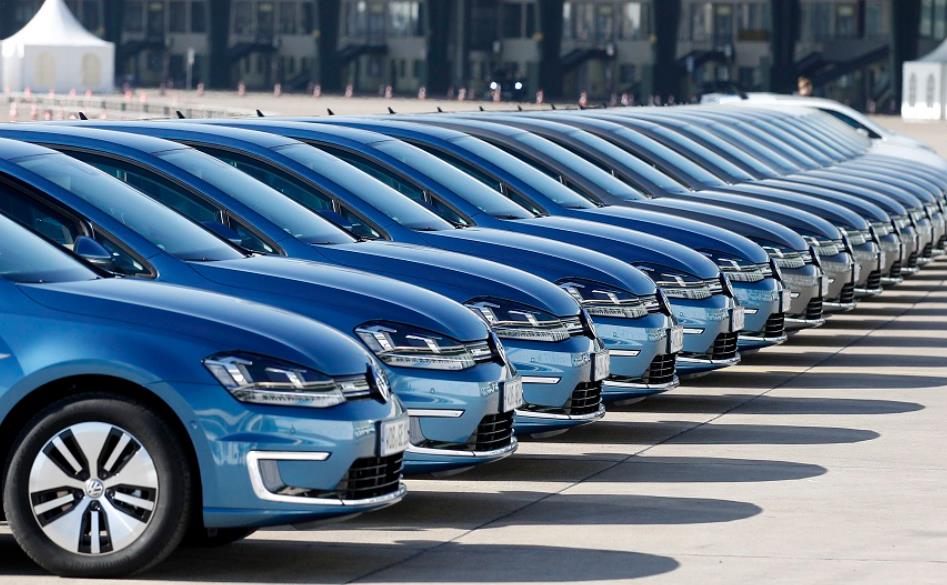
As governments across Europe and North America intensify their carbon emission standards, the automotive industry is navigating one of the most transformative periods in its history. The shift toward sustainability is no longer a strategic option—it has become a mandatory component of corporate survival and competitive advantage. For decades, internal combustion engines dominated global vehicle markets, benefiting from lenient environmental regulations and minimal oversight. Today, automakers face stringent rules that demand innovation, supply chain realignment, and a fundamental reconsideration of vehicle architecture and energy strategies to meet ambitious climate targets.
Regulatory pressure arises from a combination of national legislation, regional frameworks, and international commitments. In Europe, the European Union’s Green Deal establishes ambitious objectives for carbon neutrality by 2050, with intermediate targets mandating significant reductions in vehicle emissions by 2030. This policy framework enforces compliance through fleet-wide average CO₂ emissions limits and substantial penalties for non-conformance. Similarly, in North America, the United States’ Inflation Reduction Act and California’s Advanced Clean Cars program incentivize low-emission vehicle adoption while imposing strict standards on fuel economy and tailpipe emissions. These regulatory instruments increasingly incorporate lifecycle assessments, evaluating not only operational emissions but also the carbon footprint of vehicle production, battery manufacturing, and end-of-life recycling. For automotive manufacturers, meeting these standards requires an integrated approach that unites engineering excellence, supply chain transparency, and consumer-focused innovation.
Electrification has emerged as the most visible and strategically critical response. Battery electric vehicles (BEVs) and plug-in hybrid electric vehicles (PHEVs) now occupy the center of product portfolios for leading automakers. European giants, including BMW, Volkswagen, and Mercedes-Benz, have launched multi-billion-euro initiatives to expand electric vehicle production, secure battery supply chains, and integrate renewable energy into manufacturing processes. In North America, legacy manufacturers such as Ford and General Motors are executing ambitious electrification roadmaps, exemplified by models like the Ford F-150 Lightning and GM’s Ultium-based EVs, which combine large-scale battery innovation with practical consumer appeal.
Despite the momentum behind full electrification, hybrid solutions remain a critical transitional technology. Mild-hybrid and full-hybrid systems enhance fuel efficiency without requiring complete elimination of combustion engines. Advanced internal combustion technologies, including direct injection, turbocharging, and cylinder deactivation, allow manufacturers to reduce emissions in existing fleets while infrastructure for BEVs continues to mature. Alternative fuels, such as biofuels, synthetic e-fuels, and hydrogen, further broaden the strategy, offering lower-carbon solutions where battery adoption is constrained by range limitations, energy density challenges, or charging infrastructure gaps. This dual-track approach reflects both regulatory pragmatism and consumer realities, acknowledging that diverse powertrain solutions will coexist for the foreseeable future.
Beyond the powertrain, technological and material innovation is central to emission reduction strategies. Lightweight materials, including high-strength steel, aluminum, and carbon fiber composites, reduce vehicle mass and improve energy efficiency. Aerodynamic design optimization further enhances performance, with modern computational fluid dynamics (CFD) modeling enabling precise shaping to minimize drag. Modular vehicle platforms allow shared components across electric and hybrid models, improving manufacturing efficiency and reducing embedded emissions. Digital tools such as AI-driven energy management systems, telematics for fleet optimization, and predictive maintenance algorithms ensure vehicles operate at maximum efficiency throughout their lifecycle, indirectly lowering carbon emissions while enhancing reliability and user satisfaction.
Sustainability also extends into supply chain and production practices. Responsible sourcing of raw materials such as lithium, cobalt, and rare earth metals for battery production is under scrutiny, with ethical and environmental concerns driving manufacturers to establish traceable, low-impact supply chains. Circular economy principles are increasingly embedded into design philosophy, emphasizing recyclability, component reuse, and reduced waste. Automakers are experimenting with second-life battery applications, recycling critical materials, and integrating eco-friendly manufacturing methods such as low-carbon steel production, green energy-powered assembly plants, and additive manufacturing techniques that minimize material consumption.
Financial instruments and regulatory incentives significantly shape strategic choices. Subsidies, tax credits, and fleet emission bonuses encourage the sale of low-emission vehicles, while penalties for exceeding emission thresholds impose financial accountability. Automakers leverage these mechanisms by diversifying product lines, promoting zero-emission models, investing in carbon offset programs, and maintaining transparent reporting systems that satisfy regulators, investors, and increasingly eco-conscious consumers. Corporate carbon disclosure and ESG compliance reporting have become strategic imperatives, enhancing brand value and providing measurable proof of environmental responsibility.
Consumer expectations are a major driver in this evolution. Public awareness of climate change and personal carbon footprints influences vehicle purchasing behavior and brand loyalty. Manufacturers are responding by offering compelling BEV options, user-friendly charging solutions, and integrated digital services to improve the ownership experience. Transparency in lifecycle carbon reporting is becoming a differentiator, reinforcing trust and positioning brands as leaders in sustainability. Connectivity and software integration further allow manufacturers to implement over-the-air updates that enhance efficiency, optimize energy use, and adapt vehicle performance to local conditions, ensuring continuous improvement in emission performance.
Real-world case studies illustrate these strategies in action. Volkswagen’s ID series demonstrates large-scale electrification with modular BEV architecture, while Tesla continues to push technological boundaries in battery efficiency, charging infrastructure, and software optimization. In North America, Ford’s investment in electrified trucks balances consumer demand with emission reduction targets, demonstrating the practical application of regulatory compliance without compromising utility. Mercedes-Benz and Volvo are exploring hybridization and hydrogen powertrains, highlighting the necessity of diversified strategies in regions where fully electric adoption may be slower due to infrastructure limitations.
Looking forward, automotive manufacturers will face increasingly dynamic regulatory landscapes, with escalating emission targets, evolving renewable energy policies, and greater scrutiny of supply chain sustainability. The ability to rapidly adapt product development pipelines, integrate next-generation powertrain technologies, and deploy advanced digital management tools will determine market leadership. Companies that successfully align regulatory compliance with innovation, performance, and affordability will not only survive but thrive in a market where sustainability and carbon responsibility are central to brand identity and consumer choice.
Ultimately, carbon emission regulations serve as a catalyst for innovation rather than a constraint. Manufacturers that embrace electrification, hybridization, material efficiency, and circular economy principles position themselves to lead a rapidly transforming industry. These strategies enable compliance with legislation, enhance brand value, and address the growing consumer demand for environmentally responsible mobility. The path toward carbon neutrality is complex, requiring technological foresight, strategic agility, and holistic lifecycle thinking, but it offers automotive manufacturers a unique opportunity to redefine mobility, create value, and contribute meaningfully to global climate objectives.



Leave a Reply