 Trusted Car Reviews, News & Buying Advice.
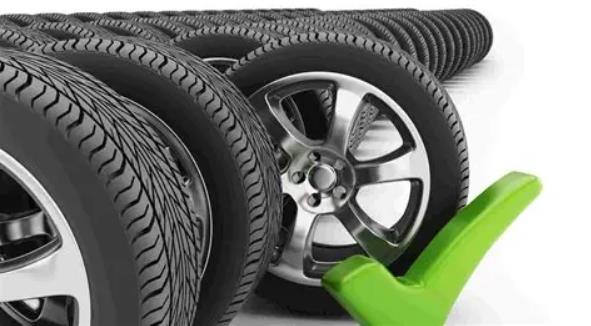
Selecting the right tires and maintaining them properly is one of the most crucial aspects of car ownership, yet it is often overlooked. Tires are the only contact between your vehicle and the road, influencing safety, performance, fuel efficiency, and driving comfort. In today’s automotive landscape, where electric vehicles, SUVs, and high-performance cars dominate, understanding tire options and upkeep has never been more important. This guide will explore the key factors in choosing the perfect tires, the latest trends in tire technology, and essential maintenance practices to extend tire life and ensure safety.
When it comes to tire selection, the first step is understanding your driving needs and vehicle type. Passenger cars, SUVs, sports cars, and electric vehicles all have different tire requirements. For daily commuting in urban environments, all-season tires are a popular choice, offering a balance of wet and dry traction, comfort, and longevity. For drivers in regions with severe winters, winter tires provide enhanced grip on snow and ice thanks to specialized tread patterns and rubber compounds that remain pliable at low temperatures. Summer tires, on the other hand, are ideal for high-performance vehicles in warm climates, delivering maximum handling, cornering stability, and braking performance, although they wear faster in colder conditions.
Tire size and specifications play a significant role in performance and safety. The tire sidewall displays critical information including width, aspect ratio, and diameter, as well as load and speed ratings. Matching the tire size with manufacturer recommendations ensures optimal handling, braking distance, and fuel efficiency. Modern vehicles, particularly electric cars, often require tires with low rolling resistance to maximize battery range. Choosing the correct tire pressure is equally essential; overinflated tires can compromise traction and cause uneven wear, while underinflated tires increase rolling resistance, reduce fuel efficiency, and raise the risk of blowouts.
Tire tread patterns have evolved significantly in recent years. Symmetrical patterns are versatile and provide long tread life, while asymmetrical designs offer improved cornering performance and water evacuation, making them ideal for performance-oriented vehicles. Directional tread patterns channel water efficiently to reduce hydroplaning, which is particularly useful in regions with heavy rainfall. Some high-end tires now incorporate silica-enriched compounds and adaptive tread designs, enhancing grip, reducing road noise, and improving fuel efficiency. These innovations reflect a growing trend toward combining performance with sustainability, as automakers and tire manufacturers aim to reduce environmental impact without compromising safety.
Maintaining tires goes beyond monitoring pressure and tread depth. Regular visual inspections can help identify cracks, bulges, and uneven wear patterns, which may indicate alignment or suspension issues. Rotating tires every 5,000 to 7,000 miles ensures even wear across all four wheels, prolonging lifespan and improving handling stability. Wheel alignment and balancing are also critical; misaligned wheels cause uneven tire wear, while unbalanced wheels lead to vibrations, reduced comfort, and potential suspension damage. Advanced tire monitoring systems integrated in newer vehicles allow drivers to track tire pressure and temperature in real-time, reducing the risk of unexpected failures.
Tire storage is another important aspect of maintenance. If seasonal tires are swapped out, they should be stored in a cool, dry, and dark environment, away from direct sunlight and sources of ozone such as electric motors. Tires should be kept upright or stacked in a stable manner to prevent deformities. Avoid using tires that show signs of dry rot, cracking, or significant tread wear, as these conditions can compromise safety.
Selecting the right tire brand and model also requires careful consideration. Established brands like Michelin, Continental, Bridgestone, and Pirelli consistently offer high-quality tires with advanced technologies, but there are also emerging players producing innovative solutions for electric vehicles and urban mobility. Reading independent tire tests and consumer reviews can provide insight into real-world performance, durability, and noise levels. Many online retailers now offer comparison tools that factor in seasonal performance, vehicle compatibility, and user ratings, making the selection process more transparent and data-driven.
Environmental sustainability is becoming a key factor in tire development. Many modern tires are designed with eco-friendly materials, reduced rolling resistance, and enhanced fuel efficiency. Recycling programs for worn tires are more accessible across North America and Europe, helping mitigate landfill waste. Choosing tires that combine longevity, fuel efficiency, and low environmental impact aligns with the growing trend toward sustainable driving practices, which is especially relevant for electric and hybrid vehicle owners.
Finally, safety should always be the primary consideration when it comes to tires. Worn-out tires, improper inflation, and mismatched specifications can drastically reduce grip, increase stopping distances, and raise the risk of accidents. Regular maintenance, timely replacements, and staying informed about tire recalls are essential habits for any responsible driver. Combining the right tire choice with proper care ensures not only better performance and fuel economy but also a safer driving experience for you, your passengers, and others on the road.
In conclusion, choosing and maintaining the right tires is both a science and an art. By understanding your vehicle’s requirements, assessing your driving conditions, staying current with technology trends, and implementing consistent maintenance practices, you can maximize tire performance, extend lifespan, and enhance overall safety. In 2026, as vehicles continue to evolve with electrification, autonomous driving features, and advanced safety systems, staying informed about tire options and upkeep is more important than ever. Tires are not just a consumable item; they are a critical component of your vehicle’s performance and your personal safety. Investing the time and effort to select quality tires and care for them properly pays off in every journey you take.





Leave a Reply