 Trusted Car Reviews, News & Buying Advice.
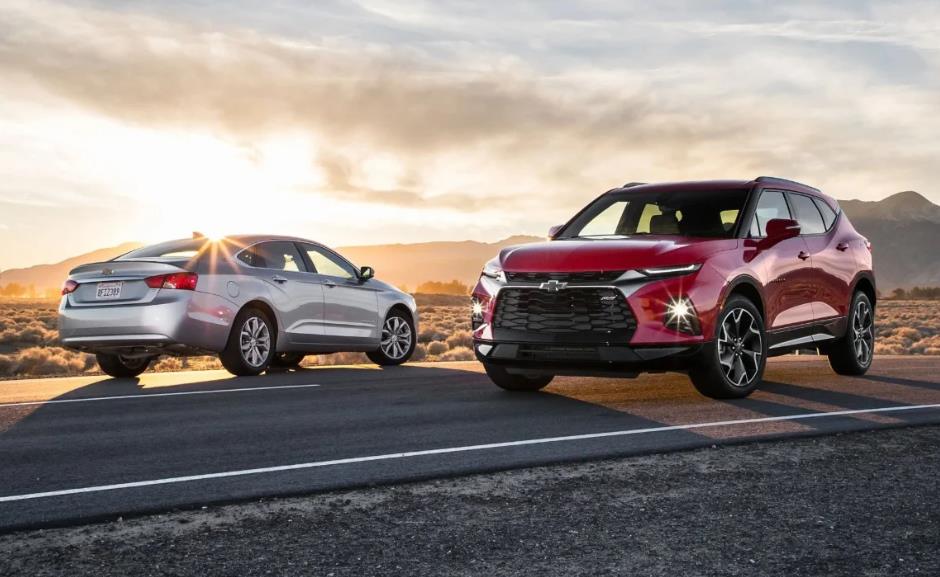
Choosing the right family vehicle has become more complex than ever. In 2026, the decision between a traditional SUV and a crossover is no longer just about size or styling—it reflects broader trends in electrification, safety technology, fuel efficiency, and lifestyle needs. For families across the U.S. and Europe, understanding the real differences between these two vehicle types is essential to making a smart, future-proof purchase.
This guide breaks down the key distinctions, performance characteristics, and real-world usability of SUVs and crossovers, helping you determine which is the better fit for your household.
Understanding the Core Difference
At a technical level, the difference between an SUV and a crossover lies in their construction.
Traditional SUVs are typically built on a body-on-frame platform, similar to trucks. This design prioritizes strength, towing capability, and off-road durability. Crossovers, on the other hand, use a unibody construction derived from passenger cars, which integrates the frame and body into a single structure.
This structural distinction directly impacts how each vehicle drives, performs, and serves family needs.
Driving Experience and Comfort
For everyday family use, ride quality and comfort are often top priorities. Crossovers excel in this area due to their car-like design. They offer smoother handling, better cornering stability, and a quieter cabin, making them ideal for urban commuting and long highway trips.
SUVs tend to feel more rugged and elevated. While modern suspension systems have improved comfort significantly, they still prioritize durability over refinement. Families who frequently drive on rough roads, rural terrain, or in harsh weather conditions may appreciate the solid and planted feel of an SUV.
Fuel Efficiency and Electrification Trends
Fuel efficiency continues to be a major consideration, especially as fuel prices fluctuate and environmental awareness grows. Crossovers generally outperform SUVs in fuel economy because of their lighter weight and more aerodynamic design.
In 2026, this gap is even more noticeable due to the rapid expansion of hybrid and fully electric crossovers. Many automakers are focusing their electrification strategies on crossover platforms, offering extended range, fast charging capabilities, and lower running costs.
While SUVs are also entering the electric and hybrid market, their larger size and weight often result in slightly lower efficiency. However, they are improving quickly, particularly in plug-in hybrid variants that combine strong towing capability with reduced emissions.
Interior Space and Practicality
Space is a critical factor for families, especially those with children, pets, or frequent travel needs.
SUVs typically offer more cargo capacity and higher towing limits. Their boxier design allows for better vertical space, making them ideal for carrying bulky items, trailers, or outdoor equipment. Full-size SUVs often include three rows with generous legroom, making them suitable for larger families.
Crossovers, however, are more efficient in how they use space. Many midsize crossovers now offer three-row seating, flexible cargo configurations, and flat-folding seats. While they may not match the maximum capacity of large SUVs, they provide more than enough room for most families while maintaining better maneuverability.
Safety and Technology
Both SUVs and crossovers in 2026 come equipped with advanced safety technologies, including adaptive cruise control, lane-keeping assist, automatic emergency braking, and 360-degree cameras.
Crossovers often have a slight advantage in crash safety due to their lower center of gravity, which reduces rollover risk. Their car-based structure also tends to perform well in crash tests.
SUVs, with their higher ride height, provide better visibility and can offer a psychological sense of security. However, their size can make them more challenging to handle in emergency situations, especially for less experienced drivers.
Modern driver-assistance systems are helping bridge this gap, making both vehicle types safer than ever before.
Off-Road Capability and Versatility
If your family enjoys outdoor adventures, camping, or traveling off the beaten path, this is where SUVs truly stand out.
Body-on-frame SUVs are built for rugged conditions. They often come with four-wheel drive systems, higher ground clearance, and specialized off-road modes. This makes them ideal for towing boats, navigating snow-covered roads, or exploring remote areas.
Crossovers can handle light off-road situations such as gravel roads or mild trails, especially with all-wheel drive. However, they are not designed for extreme conditions. For most suburban families, this level of capability is more than sufficient.
Cost of Ownership
Budget plays a crucial role in any vehicle decision. Crossovers generally have a lower total cost of ownership. They are more fuel-efficient, often less expensive to purchase, and typically cheaper to maintain.
SUVs, especially larger models, come with higher upfront costs, increased fuel consumption, and potentially higher insurance premiums. However, they can deliver better long-term value for families who need their capabilities, particularly in towing or heavy-duty usage.
Resale value is strong for both categories, although popular crossover models often benefit from higher demand in urban and suburban markets.
Lifestyle Fit in 2026
Consumer preferences in 2026 are shifting toward practicality, sustainability, and technology integration. Crossovers align closely with these trends. They are versatile, efficient, and increasingly electrified, making them a natural choice for modern family life.
SUVs continue to appeal to families with specific needs—such as large households, frequent towing, or outdoor-focused lifestyles. They are also popular in regions where road conditions demand more robust vehicles.
The rise of remote work and flexible lifestyles has also influenced buying decisions. Many families now prioritize comfort, connectivity, and long-distance travel capability, areas where crossovers perform exceptionally well.
Which One Should You Choose
There is no universal answer, but the decision becomes clearer when matched to your lifestyle.
A crossover is likely the better choice if you prioritize fuel efficiency, daily comfort, ease of driving, and access to the latest hybrid or electric technology. It is ideal for city living, commuting, and typical family use.
An SUV is the better option if you need maximum space, towing capacity, or off-road capability. It suits families who travel frequently, live in rural areas, or require a more rugged and durable vehicle.
The SUV versus crossover debate in 2026 is less about which is better and more about which is better for you. Crossovers dominate the market because they meet the needs of most families with efficiency and versatility. SUVs remain essential for those who demand strength, space, and adventure-ready performance.
As the automotive industry continues to evolve toward electrification and smarter mobility, both vehicle types are becoming more advanced and capable. The key is to align your choice with your real-world needs rather than assumptions or trends.
A thoughtful decision today will ensure your family vehicle remains practical, efficient, and enjoyable for years to come.





Leave a Reply