 Trusted Car Reviews, News & Buying Advice.
Maintaining a car goes far beyond merely refueling and occasional car washes. Regular inspections and proactive maintenance can significantly extend the lifespan of a vehicle, enhance safety, and preserve its resale value. For car owners in North America and Europe, where driving conditions vary from long highway commutes to unpredictable weather, having a structured maintenance routine is crucial. This checklist provides a comprehensive guide to essential checks every car owner should incorporate into their routine, ensuring optimal performance, safety, and cost efficiency.
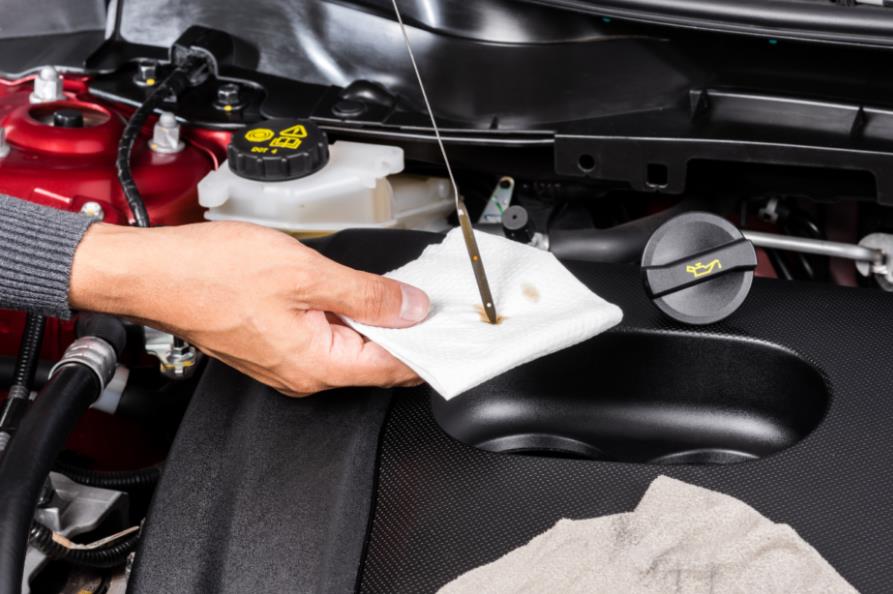
Routine inspections begin with the fundamentals: the engine oil and filters. Engine oil lubricates moving parts, reduces friction, and carries away heat. Checking oil levels monthly and following manufacturer guidelines for oil change intervals is critical. Modern synthetic oils allow longer intervals, but neglecting oil health can lead to severe engine wear or even catastrophic failure. Alongside oil, replacing the engine air filter and cabin filter improves engine efficiency and ensures clean airflow inside the vehicle, enhancing both performance and occupant comfort.
Tires represent the only contact point between a vehicle and the road, making them arguably the most important component for safety. Regularly inspecting tire pressure and tread depth is non-negotiable. Underinflated tires reduce fuel efficiency and increase wear, while overinflation can lead to uneven tire wear and compromised traction. Tread depth should always meet or exceed local safety regulations, and rotating tires according to the manufacturer’s schedule ensures even wear. Additionally, visual inspection for cracks, bulges, or embedded debris can prevent sudden blowouts, especially in regions experiencing extreme temperature changes or long-distance travel.
Brakes are another critical system demanding consistent attention. Brake pads and rotors wear with use, and timely replacement is essential for stopping performance and accident prevention. Listening for squealing or grinding noises and feeling for vibrations during braking can signal the need for inspection. Brake fluid should also be checked regularly, as moisture contamination reduces braking efficiency and may damage brake components over time. Advanced vehicles with regenerative braking systems require adherence to manufacturer-specific maintenance protocols to preserve both safety and energy efficiency.
Battery health is often overlooked until the vehicle fails to start. Cold climates in Europe and North America can significantly reduce battery performance, making preemptive inspection important. Regularly checking battery terminals for corrosion, ensuring secure connections, and testing voltage can prevent unexpected failures. For electric and hybrid vehicles, monitoring state-of-health indicators and software updates is equally important to maintain optimal battery longevity and range reliability.
Lights, indicators, and wipers fall under the category of visibility and signaling systems, which are essential for safe driving. Headlights, brake lights, turn signals, and hazard lights should be tested frequently, and worn bulbs should be replaced immediately. Windshield wipers should be inspected for streaking or cracking, and windshield washer fluid should be topped up, especially in regions prone to rain, snow, or road salt. Maintaining clear visibility reduces accident risk and ensures compliance with traffic regulations.
Fluids beyond engine oil and brake fluid also require periodic attention. Coolant levels and quality should be verified to prevent engine overheating, while transmission fluid, power steering fluid, and differential oils need regular checks to maintain mechanical integrity. Many modern vehicles feature sealed transmissions, so following manufacturer recommendations and periodic professional inspections is vital. Ignoring fluid maintenance can lead to costly repairs or reduced efficiency over time.
Suspension and steering systems are often underestimated, yet they play a vital role in handling, comfort, and safety. Inspecting shock absorbers, struts, ball joints, and tie rods for wear, leaks, or damage ensures consistent performance. Uneven tire wear, excessive bouncing, or unusual noises while driving over bumps are signals that suspension components need attention. Regular alignment checks help prevent uneven tire wear and improve fuel efficiency, particularly for drivers who frequently encounter potholes or rough roads.
Belts and hoses, though small components, are critical for engine operation. Timing belts, serpentine belts, and coolant hoses can degrade over time, leading to engine overheating or mechanical failure if neglected. Periodic inspection for cracks, fraying, or stiffness, along with timely replacement according to manufacturer guidelines, helps avoid expensive repairs.
Modern vehicles rely heavily on electronics and software for optimal performance. Checking diagnostic systems, ensuring firmware updates, and monitoring warning indicators on the dashboard can alert owners to potential problems before they escalate. Many European and North American vehicles are equipped with advanced driver-assistance systems, and regular software calibration ensures sensors, cameras, and radar systems function correctly for safety features such as adaptive cruise control, lane-keeping assist, and emergency braking.
Finally, maintaining a clean and organized interior, along with corrosion prevention for the exterior, enhances both comfort and vehicle longevity. Regular washing, waxing, and undercarriage cleaning prevent rust formation, especially in areas exposed to snow, road salt, or humid coastal climates. Interior maintenance, including vacuuming, leather or fabric care, and prompt attention to spills, preserves cabin aesthetics and resale value.
In conclusion, proactive vehicle maintenance is a holistic endeavor encompassing mechanical, electronic, and aesthetic components. By following this comprehensive checklist, car owners can ensure their vehicles remain safe, efficient, and reliable. Regular inspections not only prevent costly repairs but also provide peace of mind for daily commuting and long-distance travel. Staying attentive to both traditional maintenance and modern vehicle technology trends is essential for any car owner seeking optimal performance and longevity.



Leave a Reply