 Trusted Car Reviews, News & Buying Advice.
Maintaining your vehicle can feel daunting, but with the right knowledge and tools, performing basic maintenance at home is entirely feasible. Two of the most common tasks that car enthusiasts and everyday drivers alike can handle safely are replacing brake pads and changing the engine air filter. Both of these procedures not only improve your vehicle’s performance but also extend the lifespan of critical components while saving you the cost of a visit to a professional mechanic.
Brake pads are essential for vehicle safety. They provide the friction needed to stop your car reliably. Over time, brake pads wear down, reducing braking efficiency and increasing stopping distance. Signs that your brake pads may need replacing include a squealing or grinding noise when braking, a longer distance required to stop, or a brake warning light on your dashboard. Neglecting worn brake pads can lead to rotor damage and costly repairs, making timely replacement crucial. Before attempting to replace them, ensure you have the proper tools: a car jack, jack stands, a lug wrench, a C-clamp or brake caliper tool, and a socket set. Safety is paramount, so always work on a level surface, engage the parking brake, and use wheel chocks to prevent the vehicle from rolling.
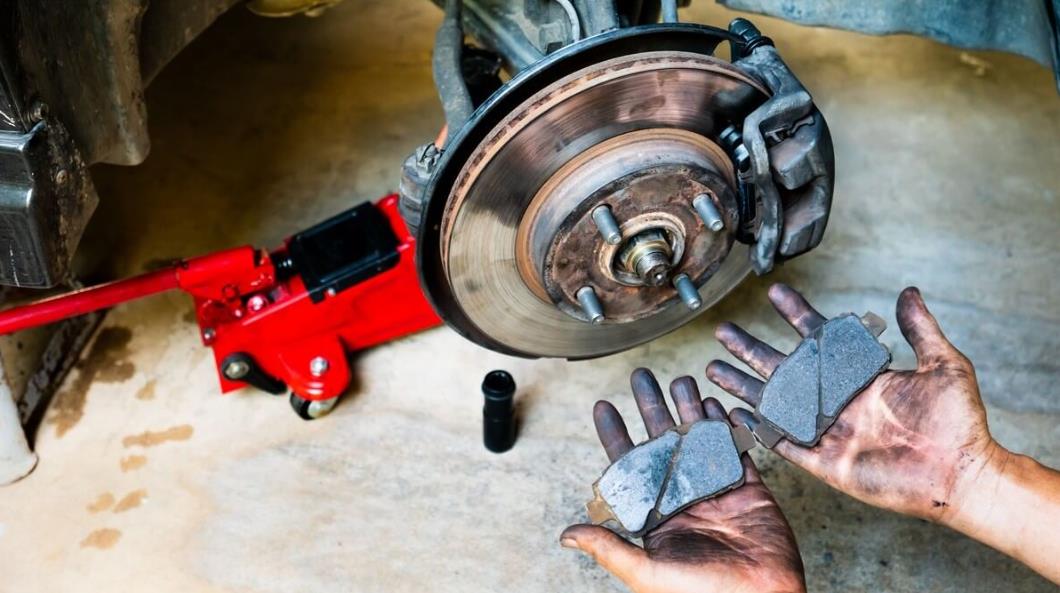
To begin the brake pad replacement, start by loosening the lug nuts on the wheel while the car is on the ground. Then, carefully lift the vehicle using a jack and secure it with jack stands. Remove the wheel to expose the brake assembly. Most modern vehicles use disc brakes, which consist of a rotor, caliper, and pads. Use the appropriate socket to remove the caliper bolts and gently slide the caliper off the rotor. Support the caliper with a piece of wire or a bungee cord to avoid putting stress on the brake line. Next, remove the old brake pads from the caliper bracket. Inspect the rotor for grooves, rust, or uneven wear. Minor surface rust can be removed with a wire brush, but deep grooves may require resurfacing or replacement. Before installing new brake pads, compress the caliper piston using a C-clamp to create enough clearance for the new pads. Slide the new pads into the bracket, ensuring they are correctly oriented, and reattach the caliper. Double-check all bolts are tightened to the manufacturer’s torque specifications. Finally, reinstall the wheel, lower the vehicle, and tighten the lug nuts in a crisscross pattern. Before driving, pump the brake pedal to seat the new pads and restore proper hydraulic pressure.
Equally important to engine performance is the air filter, which ensures that only clean air enters the combustion chamber. A clogged air filter reduces fuel efficiency, decreases acceleration, and can increase engine emissions. Signs of a dirty air filter include decreased fuel economy, unusual engine sounds, and black smoke from the exhaust. Replacing an air filter is simpler than changing brake pads and often requires no special tools beyond basic screwdrivers. Start by locating the air filter housing, which is typically a black plastic box connected to the intake duct. Open the housing by releasing clips or screws and remove the old filter. Take a moment to inspect the housing for debris or dirt and wipe it clean with a dry cloth. Insert the new air filter, ensuring it fits snugly and aligns with the housing’s edges. Close the housing, secure all clips or screws, and ensure a proper seal to prevent unfiltered air from entering the engine.
Regularly performing these two maintenance tasks offers tangible benefits. Replacing brake pads keeps your stopping power consistent and protects other components, such as rotors and calipers, from premature wear. A clean air filter ensures optimal engine performance, prolongs the life of spark plugs, and contributes to better fuel economy. For DIY enthusiasts, these tasks provide a hands-on way to understand vehicle mechanics, fostering confidence and competence for tackling more advanced projects in the future. With high-quality replacement parts and adherence to safety protocols, DIY brake pad and air filter replacement is a rewarding, cost-effective approach to vehicle care.
In addition to these tasks, documenting your maintenance routine, keeping track of mileage, and noting the types of parts used can help you stay proactive with future service. Vehicles often come with recommended service intervals, and combining these with personal observation of performance allows for a tailored approach that prioritizes both safety and efficiency. Moreover, the increasing availability of online tutorials, parts kits, and vehicle-specific guides has made DIY maintenance more accessible than ever. By investing a few hours into learning and practicing these skills, drivers not only save money but also gain a deeper understanding of their vehicle, which can prevent minor issues from escalating into expensive repairs.
In conclusion, replacing brake pads and air filters are fundamental yet crucial maintenance tasks that any car owner can undertake with proper preparation and caution. These procedures improve safety, enhance performance, and provide a sense of empowerment that comes from taking control of your vehicle’s care. Regular attention to these components ensures a smoother, more reliable driving experience and encourages a proactive mindset toward ongoing automotive maintenance. Whether you are an experienced DIYer or just beginning your journey in vehicle upkeep, mastering these skills establishes a solid foundation for all future maintenance and repairs.





Leave a Reply