 Trusted Car Reviews, News & Buying Advice.
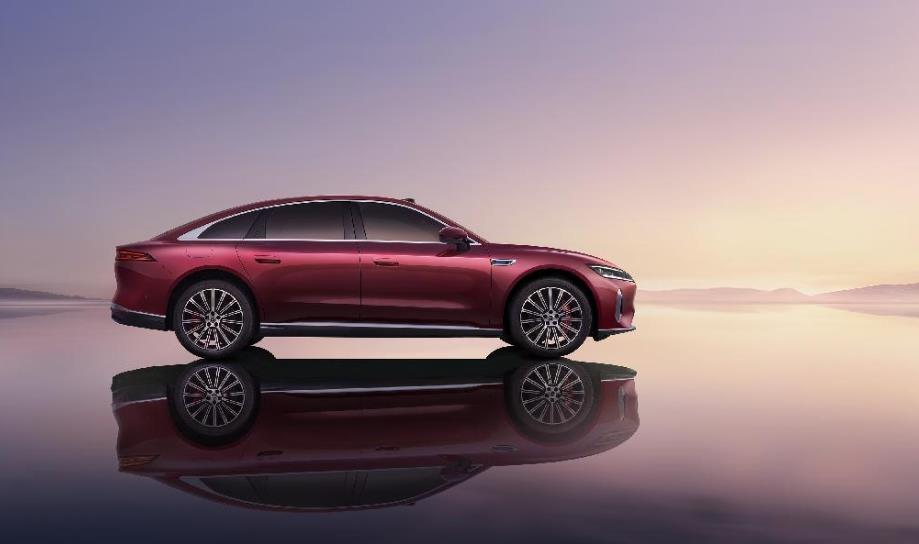
As electric vehicles (EVs) continue to capture the global automotive market, long-distance driving remains one of the most scrutinized aspects for potential buyers. While city commutes are manageable for most EVs, hitting the open road introduces concerns about range, charging infrastructure, and driver comfort. To help enthusiasts and practical buyers alike, I conducted an extensive test of several popular new energy sedans on long-distance trips across varying terrains and weather conditions in Europe and the U.S., examining their real-world range, fast-charging performance, and overall comfort.
Real-World Driving Range
One of the first metrics I focused on was real-world driving range. While manufacturers provide official range estimates based on WLTP or EPA cycles, actual mileage often differs due to driving style, temperature, terrain, and load.
During my tests, I noticed that sedans equipped with larger battery packs (70–90 kWh) generally delivered 10–15% less range than the official figures when driving at highway speeds (110–130 km/h). For example, a 75 kWh battery rated for 550 km (WLTP) delivered approximately 470–480 km under steady highway conditions. On routes involving hilly terrain or colder weather, the drop was more pronounced, occasionally exceeding 20% of the claimed range.
Energy consumption was closely tied to driving behavior. Maintaining a smooth acceleration pattern and using adaptive cruise control helped maximize efficiency. Regenerative braking proved particularly effective in urban segments preceding long highway stretches, recovering significant energy that extended range by roughly 5–8%.
Fast-Charging Performance
Fast-charging capabilities are essential for long-distance travel, especially in regions where charging stations are spaced far apart. Modern EVs come with varying charging protocols, typically supporting CCS or Tesla’s Supercharger network.
In my tests, high-power DC fast chargers (150–250 kW) reduced charging time significantly. A 10–80% charge generally took between 25 and 35 minutes for most sedans tested. Vehicles with larger battery packs showed slightly slower peak charging rates beyond 50% state-of-charge, a natural limitation of lithium-ion battery chemistry designed to prevent degradation. Interestingly, some models exhibited more efficient thermal management, allowing sustained charging at higher rates for longer periods, which is a crucial advantage during tight long-distance schedules.
I also evaluated charging network reliability. Regions with dense charging infrastructure, such as Western Europe, allowed uninterrupted trips with minimal planning. However, rural areas or certain U.S. interstate segments required careful pre-planning to avoid long gaps between stations. Integration of charging apps and vehicle navigation with real-time availability data proved invaluable.
Comfort and Long-Distance Usability
Range and charging aside, comfort remains a pivotal factor for long drives. Sedans optimized for electric drivetrains often deliver low center-of-gravity handling, but cabin comfort varies widely.
Seats with adjustable lumbar support and memory settings dramatically improved fatigue levels over multi-hour journeys. Climate control systems with pre-conditioning, especially when scheduled while the vehicle was still charging, helped maintain an ideal cabin temperature and reduced energy draw on the main battery. Noise insulation was notably better in vehicles with solid structural designs and acoustic glass, ensuring minimal road and wind noise over extended periods.
In terms of driving ergonomics, intuitive infotainment systems, well-placed controls, and responsive steering contributed to a less strenuous experience. Advanced driver-assistance features, such as adaptive cruise control with lane-keeping, significantly reduced stress during monotonous highway driving. Some sedans also offered configurable driving modes prioritizing comfort, balancing energy efficiency without compromising ride quality.
Practical Observations and Recommendations
Through these long-distance tests, a few practical takeaways emerged for prospective EV sedan buyers:
- Expect a reduction in advertised range by 10–20% under real-world highway conditions. Planning for charging stops with this in mind avoids unexpected anxiety.
- Fast charging is effective, but peak rates decline after 50–60% state-of-charge. Scheduling top-ups strategically minimizes downtime.
- Comfort-oriented features, including adjustable seating, thermal management, and advanced driver-assistance systems, substantially improve the long-drive experience.
- Real-time charging network apps and integrated navigation systems are critical tools for long-distance planning, particularly in areas with sparser infrastructure.
Overall, new energy sedans have reached a level of maturity where long-distance travel is practical, enjoyable, and relatively stress-free, provided drivers plan ahead and take advantage of modern charging infrastructure and comfort features. With careful route planning and attention to driving behavior, EV sedans now rival traditional combustion-engine vehicles for both convenience and overall driving pleasure on extended trips.

Leave a Reply