 Trusted Car Reviews, News & Buying Advice.
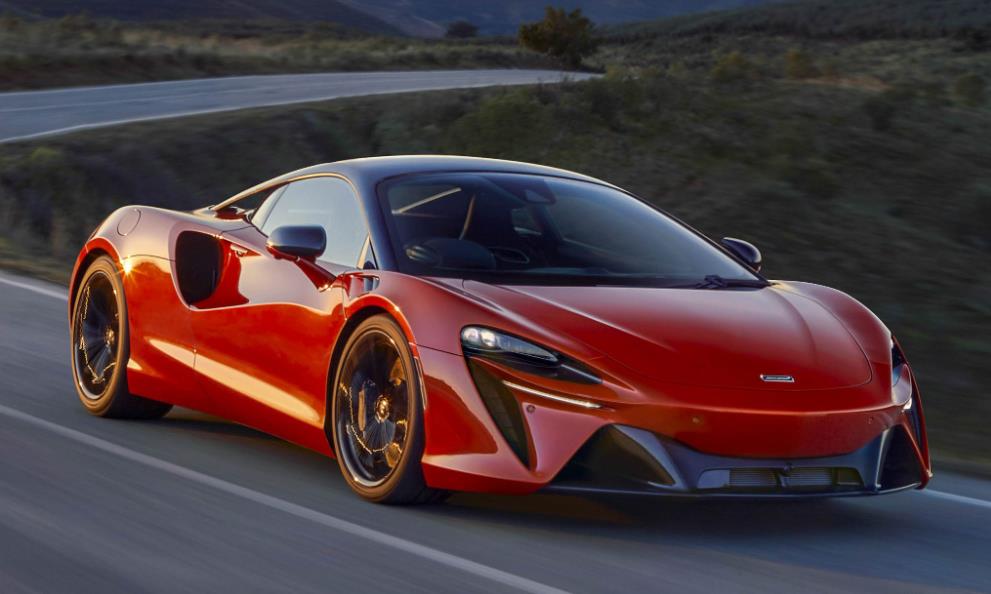
The automotive world is undergoing a transformative shift, and high-performance hybrid sports cars are leading the charge. Gone are the days when speed and efficiency were mutually exclusive. Today, automakers are blending cutting-edge hybrid technology with exhilarating performance to create machines that are both fast and environmentally conscious. This trend is particularly pronounced in the European and North American markets, where stringent emissions regulations and growing consumer awareness are reshaping expectations for sports cars.
The Evolution of Hybrid Technology in Sports Cars
Hybrid technology, once associated primarily with fuel-efficient city cars, has made a dramatic leap into the performance segment. Early hybrid sports cars were often criticized for their added weight and modest power gains. However, advancements in battery chemistry, electric motor efficiency, and lightweight materials have transformed hybrids into serious contenders on the track. Manufacturers now employ systems that seamlessly integrate combustion engines with electric motors, allowing for instantaneous torque delivery, regenerative braking, and enhanced driving dynamics.
This evolution is exemplified by vehicles like the Porsche 918 Spyder and the McLaren Artura, which demonstrate that hybridization can elevate, rather than compromise, sports car performance. By combining high-revving internal combustion engines with electric assistance, these cars achieve blistering acceleration while reducing fuel consumption and emissions.
Performance Metrics That Matter
When assessing a high-performance hybrid sports car, enthusiasts look beyond traditional horsepower figures. Acceleration, torque delivery, handling balance, and energy efficiency are all critical metrics. Hybrid systems offer a unique advantage in torque management. Electric motors provide immediate torque from zero RPM, complementing the combustion engine and enhancing throttle response. This results in faster launches, smoother power curves, and a more engaging driving experience.
Handling is another area where hybrids excel. The placement of battery packs can lower the center of gravity, improving stability during cornering. Advanced regenerative braking systems not only recover energy but also contribute to brake modulation, giving drivers a more controlled feel under heavy deceleration.
Fuel Efficiency Without Compromising Thrills
A common misconception about hybrid sports cars is that they sacrifice excitement for fuel economy. In reality, modern hybrids deliver impressive efficiency without diminishing performance. Technologies such as cylinder deactivation, intelligent energy management, and selective electric-only driving modes allow these cars to conserve fuel during everyday driving. Meanwhile, when the throttle is pushed, the combined powertrain can unleash immense horsepower, often surpassing their purely gasoline-powered counterparts.
European drivers, in particular, value efficiency due to higher fuel costs and stricter emissions standards. Hybrid sports cars provide a practical solution, allowing owners to enjoy high-speed thrills on the track while reducing environmental impact during daily commutes.
Innovative Driving Modes and Customization
Many high-performance hybrids come equipped with multiple driving modes, enabling drivers to tailor the car’s behavior to specific scenarios. Modes often include electric-only operation for quiet, zero-emission city driving, hybrid mode for optimal fuel efficiency, and sport or track modes for maximum performance. This adaptability is a key selling point, as it allows one car to function both as a daily driver and a weekend track weapon.
Additionally, advanced software controls enable torque vectoring, regenerative braking customization, and launch control optimization. These systems work together to enhance both the driving experience and energy efficiency, making hybrid sports cars incredibly versatile.
Design Philosophy: Lightweight Meets High-Tech
To offset the weight of batteries and electric motors, manufacturers increasingly focus on lightweight construction. Carbon fiber, aluminum, and magnesium alloys are commonly used to keep mass low while maintaining structural rigidity. The integration of hybrid systems is carefully considered to preserve the car’s agility and handling precision.
Aerodynamics also play a critical role. Active aero elements, such as adaptive spoilers and diffusers, optimize airflow based on speed and driving conditions. This not only improves high-speed stability but also enhances energy efficiency by reducing drag.
Market Trends and Consumer Appeal
High-performance hybrid sports cars are gaining traction among affluent buyers who seek cutting-edge technology, environmental responsibility, and performance in one package. Brands like Ferrari, Lamborghini, and BMW are increasingly expanding their hybrid lineups to meet these demands. In the U.S., early adopters are drawn by the combination of instant torque and fuel savings, while European buyers appreciate the alignment with emission regulations and sustainability goals.
Limited-production models and hybrid supercars also generate significant buzz in automotive media, creating aspirational appeal. Social media platforms, professional reviews, and car enthusiast communities amplify the visibility of these vehicles, driving interest among younger, tech-savvy consumers.
Challenges and Future Outlook
Despite the many advantages, challenges remain for high-performance hybrids. Battery weight, cost, and thermal management are ongoing concerns. Achieving the optimal balance between energy density and weight is critical for maintaining performance without compromising efficiency. Additionally, the complexity of hybrid systems demands specialized maintenance and service knowledge.
Looking forward, we can expect continuous improvements in battery technology, electric motor efficiency, and energy recovery systems. Solid-state batteries, next-generation regenerative braking, and advanced AI-driven powertrain management are poised to redefine the performance hybrid segment. The line between electric, hybrid, and traditional supercars will continue to blur, offering consumers vehicles that are faster, more efficient, and more adaptable than ever before.
High-performance hybrid sports cars represent the perfect synthesis of speed and efficiency. By leveraging advanced hybrid technology, lightweight construction, and intelligent driving systems, manufacturers are delivering vehicles that satisfy the thrill-seeker while addressing environmental concerns. The era of compromise is over; modern hybrid sports cars prove that exhilarating performance and responsible energy use can coexist seamlessly.
For enthusiasts in Europe and North America, the allure of these vehicles lies not only in their blistering acceleration but also in their innovative technology and sustainability credentials. As automotive technology continues to evolve, the hybrid sports car segment is poised to remain at the forefront of performance and efficiency for years to come.





Leave a Reply