 Trusted Car Reviews, News & Buying Advice.
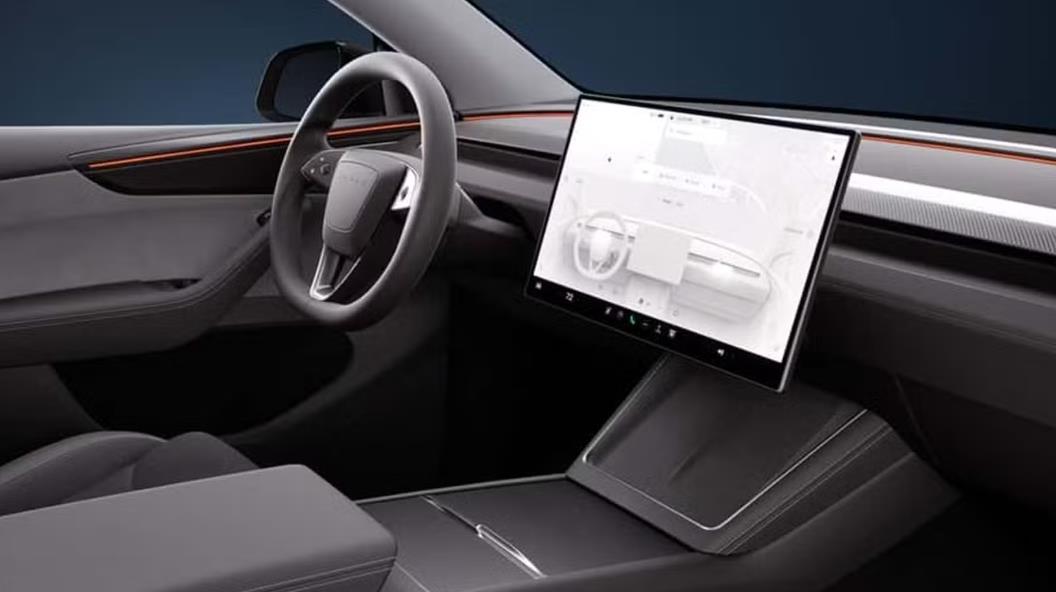
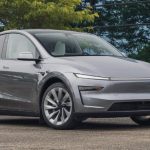
Tesla’s public narrative for 2026 is shifting from incremental updates to strategic pivots and futuristic offerings. While the company continues to support its existing Model 3 and Model Y platforms globally, there are significant structural changes underway. Tesla officially announced that production of the fully autonomous Tesla Cybercab, a radically new two-seat robotaxi-oriented EV without a steering wheel or pedals, began in 2026 with initial units rolling out from the Gigafactory in Texas. This marks Tesla’s boldest step yet toward a fleet-oriented autonomous future, although consumer availability and regulatory deployment remain fluid through 2026. On the product portfolio side, Tesla has been quietly evolving its mainstream vehicles rather than launching an entirely new passenger model this year. The company’s operations update indicates that Model 3 and Model Y variants continue to dominate production, with a refreshed Model Y already in customers’ hands and incremental technology upgrades across platforms. Tesla’s broader vision ties its vehicle strategy into automated mobility and artificial intelligence, blending hardware development with autonomy ambitions. This strategy reflects a dual focus: maintaining core EV sales in mature markets while pushing the envelope on autonomous mobility. How quickly the Cybercab or related robotaxi programs scale beyond pilot zones will be one of Tesla’s defining business tests in 2026.
BMW’s most consequential release story in 2026 is not just another model year change but the rollout of an all-new generation of electric vehicles based on the company’s Neue Klasse platform. This platform marks a long-term strategic shift toward software-defined vehicles and high-efficiency EV architecture. At the forefront is the BMW i3 Neue Klasse sedan, which debuted as BMW’s compact electric executive car designed to sit alongside the brand’s traditional 3 Series line, but with an all-electric powertrain and a modern reinterpretation of BMW design DNA. Production is slated for Europe in mid-2026, with sales following later in the year. Compared with earlier BMW EVs, this new i3 boasts a substantially larger battery pack, ultra-fast DC charging capability, and an EPA-competitive estimated range that positions it strongly against rival EVs in its class. Alongside the i3, BMW continues deployment of its iX3 SUV on the same Neue Klasse foundation, bringing improved efficiency, advanced digital interfaces such as the Panoramic iDrive system, and bidirectional vehicle-to-grid charging functions to the brand’s SUV portfolio. This next generation also underscores BMW’s broader strategy of software-centric vehicle control and next-level digital experiences, positioning the brand competitively amid growing pressure from pure EV makers.
Unlike Tesla and BMW’s spotlight on electric and autonomous innovation, Ford’s 2026 model activity blends traditional strength with modest evolution. On the mass-market front, the 2026 Ford Ranger continues as a mid-size truck with updated features and packages for both European and North American customers, with deliveries slated through spring and summer 2026 after late-2025 orders opened. Ford also continues to refresh and localize several nameplates globally. The refreshed Ford Mondeo, also known in some markets as the Ford Taurus, debuted late in 2025 with a 2026 facelift, featuring updated exterior styling, modern infotainment technology, and expanded connectivity. While this model is primarily focused on markets like China and the Middle East rather than the US or Europe, it reflects Ford’s ongoing product relevance in multiple regions. Elsewhere in Ford’s lineup, special editions like high-performance variants of the iconic Mustang, including newly revealed 2026-era Mustang Dark Horse SC, bring renewed interest from enthusiasts. This model channels the Mustang’s performance heritage, blending modern powertrain tuning with signature styling. Ford also continues electrification experiments in strategic segments such as extended-range SUVs with models like the Bronco New Energy variant, a crossover blending battery electric and range-extender technology, even though many of these remain regionally focused.
Across these brands, some common themes stand out. Electrification remains a priority, but differentiated execution matters. BMW’s Neue Klasse platform represents a top-down architectural shift, Tesla pushes autonomy, and Ford balances mainstream appeal with incremental electrification and heritage-driven variants. Meanwhile, the industry as a whole continues to evolve with a mix of next-generation EVs, advanced driver assistance, and new powertrain variants as automakers navigate changing market demand in Europe and North America. The competition is increasingly defined not just by horsepower or range, but by software, digital integration, and the ability to scale innovative technologies while retaining consumer trust.

Leave a Reply