 Trusted Car Reviews, News & Buying Advice.
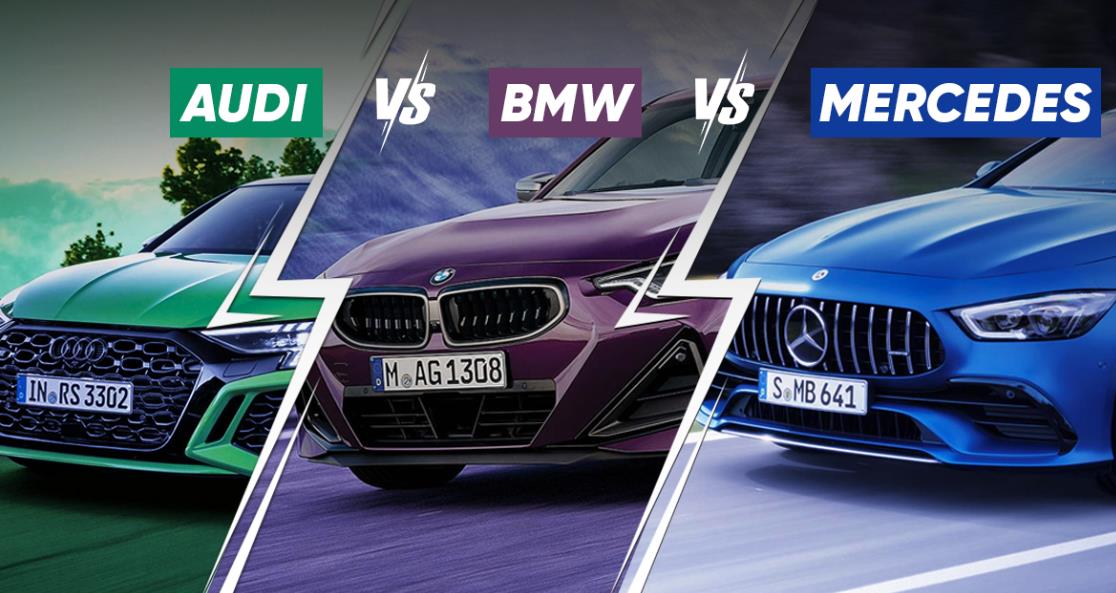
When it comes to luxury sedans, few brands spark as much passion and debate as Mercedes-Benz, BMW, and Audi. Each offers a unique combination of performance, technology, comfort, and brand prestige. For discerning buyers in the European and North American markets, understanding the nuanced differences between these three German powerhouses is crucial when making a purchase decision. This comparison focuses on their latest flagship models, examining design, driving dynamics, interior experience, technology, and overall value.
Design and Aesthetics
Mercedes-Benz has long been synonymous with elegance and refinement. Its sedans, especially the S-Class, showcase flowing lines, a stately grille, and a sophisticated presence on the road. Mercedes’ design philosophy emphasizes luxury and timeless appeal, making it a favorite among those who prioritize style and prestige.
BMW takes a sportier approach, emphasizing a dynamic, driver-focused aesthetic. The iconic kidney grille, aggressive stance, and sharp lines reflect BMW’s focus on performance and driving engagement. Its sedans, such as the 7 Series, balance elegance with sportiness, appealing to enthusiasts who desire both luxury and excitement.
Audi, by contrast, leans toward minimalism and modernity. Clean, precise lines and a contemporary interior design characterize its sedans like the A8. Audi prioritizes understated sophistication, which resonates with buyers who value technological innovation and a sleek, high-tech appearance over flamboyant styling.
Driving Dynamics
Performance and driving experience remain core differentiators among these brands. Mercedes-Benz sedans offer a smooth, composed ride, with an emphasis on comfort over aggressive handling. Advanced suspension systems and sound insulation ensure long-distance drives are serene, making them ideal for executives and luxury-focused buyers.
BMW sedans are engineered for driving enthusiasts. Their handling is sharp, steering feedback precise, and suspension tuned for a balance of comfort and sportiness. The rear-wheel-drive architecture, combined with powerful engines, provides an engaging experience, especially for drivers who enjoy spirited driving on open roads.
Audi sedans offer a middle ground with a focus on quattro all-wheel-drive stability and controlled performance. Their ride is firm but comfortable, offering confident handling in diverse conditions. The precise steering and technologically enhanced suspension systems deliver a balanced experience that blends comfort and sporty performance.
Interior Comfort and Features
Inside, Mercedes-Benz sedans exude luxury with plush materials, ambient lighting, and ergonomic seating. The cabin is designed to create a serene atmosphere, integrating high-quality leather, wood, and metal accents. Rear passengers enjoy executive-class comfort, with features such as reclining seats, massage functions, and premium climate control.
BMW interiors reflect a more driver-centric approach. The cockpit layout emphasizes ergonomics, with intuitive controls and a focus on connectivity. Materials are premium, and while rear seating is comfortable, the main attention remains on creating an immersive driving experience.
Audi’s interior design combines modern aesthetics with cutting-edge technology. The Virtual Cockpit digital instrument panel, multiple touchscreens, and advanced infotainment systems highlight the brand’s technological prowess. Cabin materials are high-quality and precise, offering a clean and futuristic environment without overwhelming opulence.
Technology and Infotainment
Mercedes-Benz excels in luxury tech, particularly with its MBUX (Mercedes-Benz User Experience) system. Voice control, AI-assisted navigation, and a host of driver assistance features enhance convenience and safety. Cutting-edge semi-autonomous driving options further differentiate Mercedes in the technology sphere.
BMW integrates technology with driving performance. iDrive infotainment systems are intuitive and responsive, providing seamless smartphone integration and advanced navigation features. BMW’s driver-assistance suite focuses on performance-enhancing safety, such as adaptive cruise control and lane-keeping assist, while maintaining the engagement of a traditional driving experience.
Audi is known for its tech-forward approach. The Virtual Cockpit, extensive touchscreen controls, and augmented reality navigation offer a futuristic user interface. Audi places a strong emphasis on connected services and digital integration, appealing to tech-savvy buyers who appreciate a high level of customization and control.
Performance and Engine Options
Mercedes-Benz offers a range of smooth, powerful engines, prioritizing refinement over raw sportiness. Inline-six and V8 engines, often paired with mild-hybrid technology, deliver effortless acceleration with minimal cabin disturbance.
BMW sedans feature engines tuned for dynamic performance, from turbocharged six-cylinders to V8s and hybrid options. Rapid acceleration, tight handling, and rear-wheel-drive dynamics define the driving experience, reflecting BMW’s “Ultimate Driving Machine” philosophy.
Audi balances power and control, offering turbocharged and hybrid powertrains, with quattro all-wheel drive as a hallmark. Engine tuning delivers confident acceleration, while the AWD system ensures stability and traction in varied conditions.
Value and Ownership Experience
Mercedes-Benz emphasizes long-term comfort, prestige, and after-sales service. Maintenance packages and brand reputation make ownership straightforward, especially for buyers seeking luxury without compromise.
BMW appeals to those who prioritize performance and engagement. While ownership costs can be slightly higher due to sport-tuned components, the experience of driving a BMW often justifies the investment for enthusiasts.
Audi offers a blend of technology and performance, often at a slightly lower entry price point than its rivals for equivalent luxury features. Warranty and service options are competitive, and the tech-rich interiors provide long-term value for tech-minded owners.
Choosing between Mercedes-Benz, BMW, and Audi ultimately depends on personal priorities. Mercedes-Benz leads in luxury, comfort, and brand prestige, making it ideal for buyers who value sophistication and serene driving experiences. BMW stands out for those seeking a sporty, engaging ride without sacrificing luxury. Audi provides a high-tech, balanced option that blends performance with futuristic interiors. Understanding these distinctions helps buyers make informed decisions and ensures that their chosen luxury sedan aligns with their lifestyle and driving expectations.





Leave a Reply