 Trusted Car Reviews, News & Buying Advice.
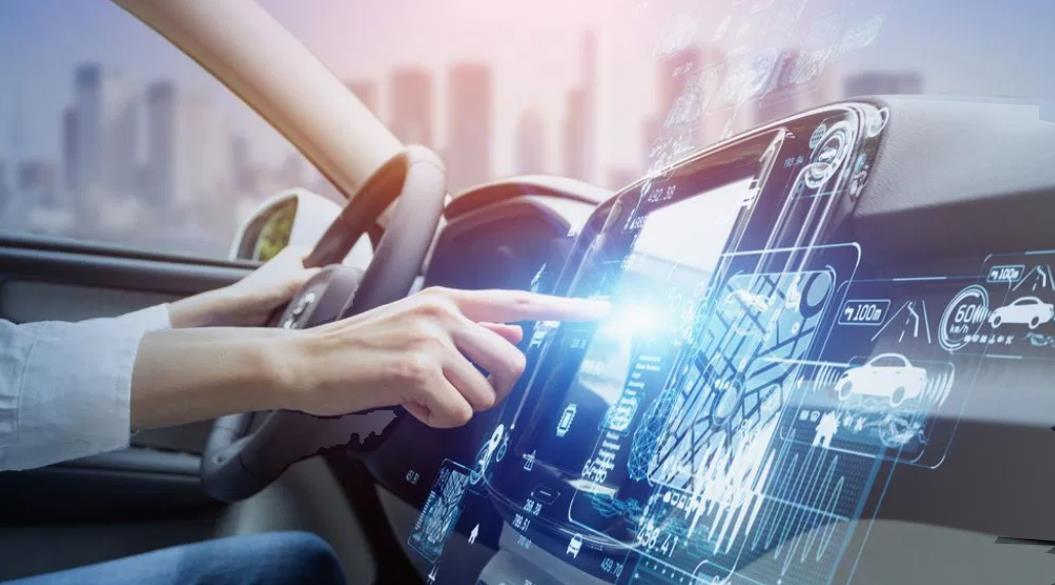
The automotive industry is entering a transformative era, driven by advancements in artificial intelligence, connectivity, and automation. Modern vehicles are no longer just machines for transportation—they are intelligent platforms designed to enhance safety, convenience, and the overall driving experience. Among the most talked-about innovations are smart driving systems and automated parking features, both of which are redefining how drivers interact with their cars. In this article, we dive into a hands-on evaluation of these technologies, examining their capabilities, limitations, and real-world usability.
The Rise of Smart Driving Systems
Smart driving technology, often referred to as Advanced Driver Assistance Systems (ADAS), has evolved far beyond basic cruise control and lane-keeping. Contemporary systems integrate adaptive cruise control, lane-centering assistance, traffic sign recognition, and even predictive navigation that anticipates traffic patterns.
During testing, smart driving systems proved highly effective in highway scenarios. Adaptive cruise control smoothly adjusts speed in response to surrounding vehicles, reducing driver fatigue on long trips. Lane-centering functions maintain precise positioning even on winding roads, demonstrating impressive calibration and sensor accuracy. Some models can even navigate complex junctions autonomously, merging safely and maintaining lane discipline.
However, while these systems significantly reduce driving stress, they are not fully autonomous. Drivers must remain attentive, as sudden changes in road conditions—such as debris or erratic behavior from nearby drivers—require immediate human intervention. Understanding these limitations is essential to using smart driving technology safely.
Automated Parking: Convenience Meets Precision
Automated parking is another area where technology is transforming the driving experience. Using a combination of ultrasonic sensors, cameras, and radar, modern vehicles can independently maneuver into tight spaces, parallel park, or even exit a spot without driver input.
In real-world tests, automated parking proved both efficient and precise. Vehicles successfully navigated challenging urban spaces, avoiding obstacles with minimal correction. Some systems offer remote operation via smartphone apps, allowing drivers to park in tight garages while standing outside the vehicle—a feature particularly useful in crowded cities or narrow parking lots.
Despite the convenience, performance can vary depending on environmental conditions. Rain, snow, or poor lighting may reduce sensor reliability, sometimes requiring manual correction. Furthermore, the system’s effectiveness often depends on accurate mapping and calibration, emphasizing the need for regular software updates.
The Role of Artificial Intelligence and Connectivity
Underlying both smart driving and automated parking systems is a complex network of artificial intelligence and vehicle connectivity. AI algorithms process real-time data from cameras, lidar, radar, and vehicle sensors to make split-second decisions. Connectivity features, such as cloud-based updates and vehicle-to-infrastructure communication, allow these systems to improve over time, learning from thousands of driving scenarios worldwide.
This technological synergy enhances not only safety and convenience but also predictive maintenance. Vehicles can now detect potential mechanical issues before they escalate, schedule service appointments, and even optimize energy efficiency in electric vehicles, extending both range and component lifespan.
Real-World Implications for Drivers
For drivers, these advancements represent a shift toward a more comfortable, stress-free, and safer driving experience. Long commutes become less fatiguing thanks to lane-assist and adaptive cruise control, while urban parking challenges are mitigated by automated parking systems. Moreover, the gradual integration of AI and connectivity promises continual improvement, meaning that vehicles are not static tools but evolving companions.
It is important, however, to approach these technologies with realistic expectations. Fully autonomous driving is still a work in progress, and current systems require vigilant oversight. Understanding the balance between convenience and responsibility is key to leveraging these innovations effectively.
Looking Ahead
As automakers continue to refine smart driving and automated parking technologies, future vehicles will likely offer even higher levels of autonomy, seamless integration with urban infrastructure, and personalized driving experiences. Emerging trends such as AI-driven predictive navigation, vehicle platooning, and advanced human-machine interfaces will further blur the line between driver and vehicle, ushering in an era where cars do more than transport—they interact, assist, and adapt.
In conclusion, the experience of testing these futuristic automotive technologies reveals a compelling glimpse into the next generation of driving. While challenges remain, smart driving and automated parking systems are already making roads safer and driving more convenient. For automotive enthusiasts, urban commuters, and tech-savvy drivers alike, embracing these technologies represents both a practical advantage and a fascinating journey into the future of mobility.


Leave a Reply