 Trusted Car Reviews, News & Buying Advice.
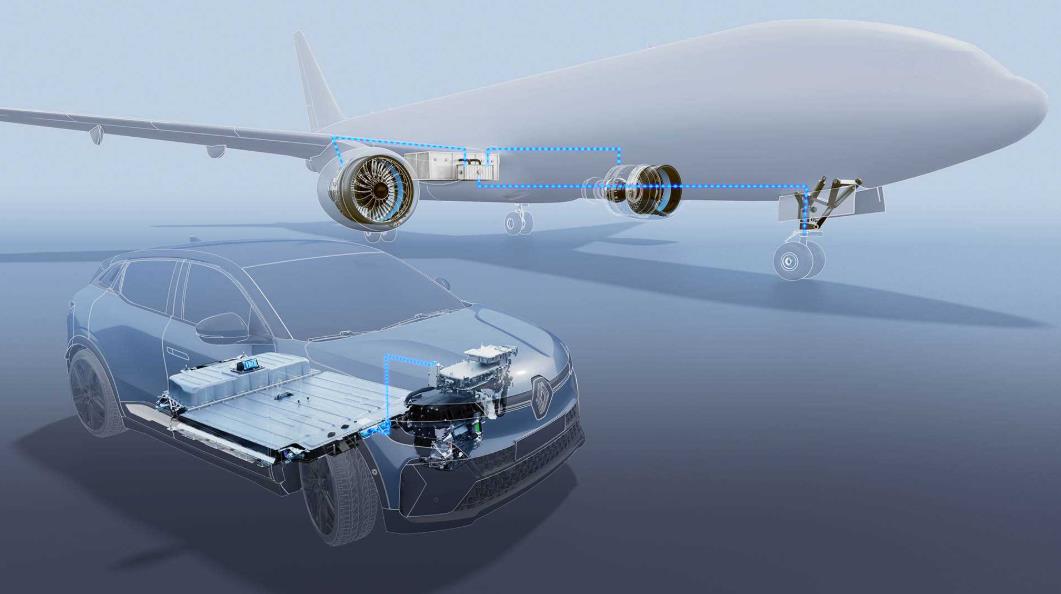
The automotive industry is experiencing an unprecedented wave of technological innovation, fundamentally transforming how vehicles are powered, interacted with, and navigated. Among the most significant advancements shaping the future of mobility are solid-state batteries, intelligent cabin systems, and augmented reality (AR) navigation. Each of these innovations promises to redefine the driving experience, improve efficiency, and enhance safety, all while meeting the growing demand for sustainability and digital connectivity in modern vehicles.
Solid-state batteries are increasingly recognized as a cornerstone of the next-generation electric vehicle (EV) revolution. Unlike conventional lithium-ion batteries, solid-state variants use solid electrolytes instead of liquid or gel counterparts, offering higher energy density, faster charging, and improved safety. The elimination of flammable liquid electrolytes drastically reduces the risk of thermal runaway, a critical factor in EV safety. Furthermore, solid-state batteries can achieve higher energy efficiency and longer lifespan, enabling electric vehicles to travel further on a single charge. Automakers across Europe, North America, and Asia are investing heavily in research and development, with prototypes and pilot programs already demonstrating the potential to significantly shorten charging times while extending driving range. This innovation not only addresses consumer concerns regarding range anxiety but also aligns with global efforts to reduce carbon emissions and promote sustainable transportation solutions.
Complementing advancements in battery technology are smart cabin systems, which represent a leap forward in how drivers and passengers interact with their vehicles. Intelligent cabins integrate sophisticated hardware and software, combining voice recognition, AI-driven personal assistants, gesture control, and adaptive displays to create a personalized and intuitive driving environment. Modern smart cabins monitor driver behavior, detect fatigue or distraction, and adjust cabin settings automatically, such as lighting, climate control, and seat ergonomics, to optimize comfort and safety. Connectivity features enable seamless integration with smartphones, wearable devices, and cloud-based services, offering real-time traffic updates, predictive maintenance alerts, and immersive infotainment options. By blending convenience, safety, and personalization, smart cabins are transforming cars from mere transportation tools into dynamic digital spaces that respond to the needs and preferences of their occupants.
AR navigation represents another transformative development in automotive technology, bridging the gap between digital information and real-world driving environments. Unlike traditional navigation systems, AR overlays directional guidance, hazard alerts, and points of interest directly onto the driver’s field of view, typically through head-up displays (HUDs) or AR-enabled windshields. This approach reduces the cognitive load on drivers by minimizing the need to glance away from the road, improving both reaction times and situational awareness. AR navigation can incorporate real-time traffic conditions, lane guidance, and even adaptive speed suggestions, creating a more interactive and responsive driving experience. Automotive manufacturers are increasingly pairing AR navigation with smart cabin features, allowing for context-aware prompts, such as suggesting optimal routes to nearby charging stations for EVs or highlighting pedestrian crossings in urban environments. The combination of AR technology and intelligent vehicle systems holds the promise of safer, more efficient, and highly engaging driving experiences, particularly in congested cities or complex road networks.
The integration of solid-state batteries, smart cabins, and AR navigation is emblematic of the broader convergence between electrification, connectivity, and autonomy in the automotive sector. Each innovation reinforces the others: extended range from advanced batteries enables more ambitious use of digital services, smart cabins ensure that drivers and passengers can manage increasingly complex systems intuitively, and AR navigation enhances situational awareness to maximize safety and efficiency. Together, these technologies reflect a holistic vision of the future vehicle—a platform that is safer, more efficient, and more connected than ever before. As automakers continue to refine these systems and scale production, consumers can expect vehicles that not only meet practical transportation needs but also offer immersive, intelligent, and sustainable experiences on every journey.
In conclusion, the rapid advancements in automotive technology underscore a pivotal shift in the industry. Solid-state batteries promise longer ranges, faster charging, and safer electric vehicles. Smart cabin systems transform vehicles into intelligent, responsive environments that enhance comfort and safety. AR navigation redefines how drivers perceive and interact with the road, promoting situational awareness and efficiency. The intersection of these technologies is setting the stage for a new era in mobility, where vehicles are no longer passive machines but sophisticated platforms that integrate energy innovation, digital intelligence, and augmented experiences. For consumers and manufacturers alike, embracing these innovations will be crucial in shaping the future of transportation, driving toward a more sustainable, connected, and immersive automotive landscape.





Leave a Reply