 Trusted Car Reviews, News & Buying Advice.
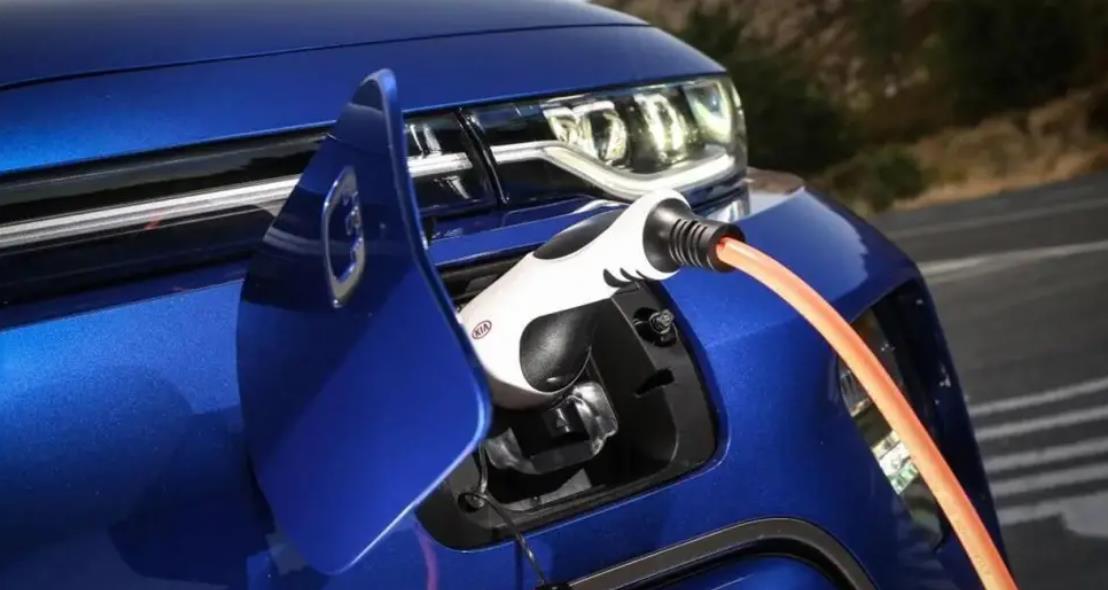
Purchasing a second-hand electric vehicle (EV) can be a smart financial and environmental decision, but it comes with unique challenges compared to traditional combustion-engine cars. The most critical factor to consider is the battery—the heart of an EV. Understanding battery health, degradation, and replacement costs can save you from costly mistakes. This guide will walk you through essential steps to ensure a safe and informed purchase.
Understanding EV Battery Basics
EV batteries, typically lithium-ion, are designed to last between 8 to 15 years depending on usage, temperature, and charging habits. Battery capacity naturally diminishes over time—a phenomenon known as degradation. Decreased capacity affects driving range and charging speed, so it’s crucial to assess battery health before purchasing a second-hand EV. Unlike traditional engines, batteries are expensive to replace, often costing several thousand dollars.
Research the Vehicle Model
Not all EVs age equally. Some models are known for better battery longevity due to advanced thermal management systems and higher-quality cells. For example, vehicles from manufacturers with robust battery warranties often experience slower degradation. Check the original manufacturer’s specifications, battery capacity, and real-world owner experiences. Online forums and EV owner groups can provide insights on known issues, recalls, or battery-related complaints specific to a model.
Evaluate the Battery Health
A battery health report is one of the most valuable tools when buying a used EV. Many dealerships and specialized EV services provide diagnostic reports that indicate remaining capacity, charge cycles, and any irregularities. Key metrics to review include:
- State of Health (SoH): Indicates remaining battery capacity as a percentage of its original capacity. A healthy used EV typically has above 80% SoH.
- Charge Cycles: Batteries have a finite number of full charge cycles. High mileage vehicles with frequent fast-charging may show accelerated wear.
- Thermal History: Exposure to extreme temperatures can accelerate degradation, so understanding where the car has been used can provide context.
Ask for recent diagnostic reports and, if possible, have an independent EV technician perform a detailed inspection.
Inspect Charging History
How a previous owner charged the EV can significantly affect battery longevity. Frequent use of high-power fast chargers can accelerate degradation, while regular Level 2 or home charging tends to be gentler. Review charging records if available, and inquire about the typical daily range and usage patterns. A battery that has been maintained with moderate charging is more likely to retain capacity longer.
Consider the Warranty and Service Options
Many manufacturers offer transferable battery warranties covering 8 years or around 100,000 miles, sometimes longer depending on the model. Understanding the warranty status is crucial, as it can save thousands in case of battery failure. Confirm whether the warranty is still active and if it covers the replacement of cells or entire packs. Also, check the availability of service centers and parts for the specific EV model in your region.
Verify Vehicle History
Beyond battery health, general vehicle history can reveal hidden issues. Obtain a full service and accident report to ensure the car has been properly maintained and not subjected to extreme conditions. Be cautious of vehicles with flood damage or exposure to severe climates, as these factors can impact both battery and electronics.
Perform a Test Drive
A test drive helps verify real-world battery performance. Pay attention to:
- Range estimation versus actual range
- Charging speed and efficiency
- Temperature impacts on performance
- Any unusual sounds or warning indicators
Test driving under conditions similar to your daily usage gives you a realistic sense of the battery’s current state.
Price Considerations
Second-hand EVs can offer excellent value, but battery condition can significantly influence pricing. A vehicle with a healthy battery commands a higher price, while one with visible degradation or nearing warranty expiration should be discounted. Factor in potential replacement costs and the likelihood of diminished range in the future when negotiating.
Red Flags to Watch For
- Missing diagnostic reports or refusal to provide battery history
- Battery State of Health below 70–75%
- Frequent fast-charging or signs of overheating
- Inconsistent range estimates compared to original specifications
Being cautious and informed helps avoid costly mistakes.
Buying a second-hand EV can be rewarding and eco-friendly, but understanding battery health is essential. Do thorough research, request detailed diagnostic reports, check warranty coverage, and inspect the vehicle’s history carefully. By paying attention to battery condition and charging practices, you can confidently select a used EV that delivers reliable performance and long-term value.





Leave a Reply