 Trusted Car Reviews, News & Buying Advice.
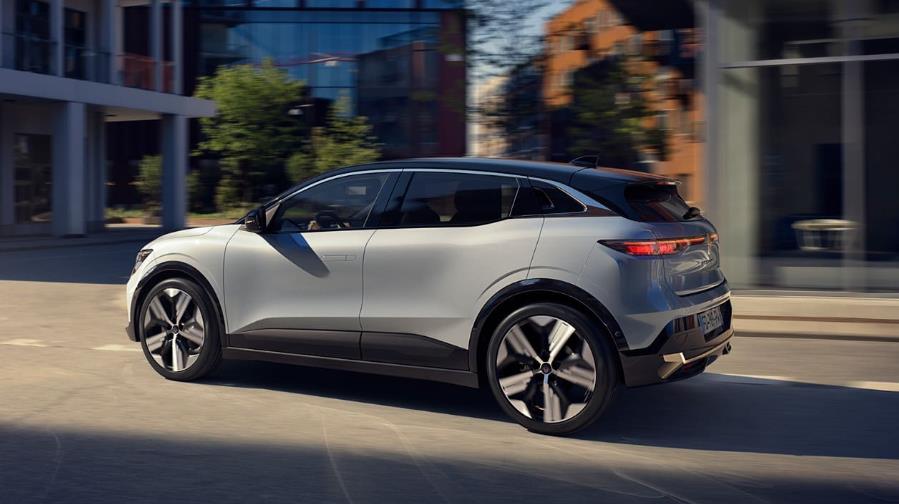
For many buyers across the United States and Europe, purchasing a car in 2025 no longer feels like a straightforward upgrade. It feels like a commitment made under uncertainty. Prices remain elevated compared to pre-pandemic levels, interest rates have changed the meaning of monthly payments, and the rapid pace of technological change has introduced a quiet anxiety: the fear that whatever you buy today may feel outdated sooner than expected. Electric vehicles, once framed as a clear and inevitable next step, now sit at the center of that uncertainty rather than outside it.
At first glance, the decision appears simple. Electric vehicles promise lower fuel costs, quieter driving, and freedom from volatile gas prices. Governments continue to promote them as cleaner alternatives, and manufacturers showcase increasingly impressive range figures. Yet when buyers move beyond headlines and marketing claims and begin calculating what ownership actually looks like over several years, the clarity fades. What emerges instead is a set of trade-offs that are rarely discussed in one place, and almost never framed in terms of how real people actually live with their cars.
The initial purchase price remains the most visible obstacle. Even as battery costs have declined, a comparable electric vehicle typically commands a higher sticker price than a similar gasoline-powered car. Incentives can narrow this gap, but they vary widely by region and are often temporary. Many buyers assume that lower operating costs will automatically compensate for the higher upfront expense, but this assumption deserves closer inspection. Savings are not guaranteed; they are conditional.
Electricity may be cheaper than gasoline on average, but averages hide local realities. In parts of the United States and Europe where electricity prices have surged, charging at home can cost significantly more than expected, especially during peak hours. Public fast charging, often relied upon by apartment dwellers or urban drivers without private garages, can approach or even exceed the cost of fueling an efficient gasoline vehicle. The result is that two owners of the same electric model can experience dramatically different running costs depending on where and how they live.
Insurance adds another layer of complexity. Electric vehicles frequently cost more to insure, not because they are inherently more dangerous, but because repairs are often more expensive. Battery packs, advanced driver assistance systems, and specialized materials can turn minor accidents into costly claims. In some regions, insurers have adjusted premiums accordingly, catching new owners off guard. Over several years, higher insurance costs can quietly erode much of the expected fuel savings.
Maintenance is often cited as a clear advantage for electric vehicles, and in many ways it is. Fewer moving parts mean fewer routine service items, no oil changes, and less mechanical wear. However, the savings here are incremental rather than transformative. They help, but they rarely dominate the total cost picture. Meanwhile, long-term questions about battery degradation and replacement continue to weigh on buyers’ minds, even as manufacturers extend warranties and improve battery management systems. The concern is less about sudden failure and more about gradual loss of value and usability.
Depreciation, perhaps the most underestimated cost of car ownership, has become increasingly unpredictable in the electric vehicle market. Rapid improvements in range, charging speed, and software features mean that newer models can quickly make earlier versions feel obsolete. For buyers who plan to keep their cars for a decade, this may matter less. For those who expect to sell or trade in after a few years, depreciation risk becomes central. Used electric vehicles can be harder to price and sell, particularly when buyers worry about remaining battery life.
Financing conditions amplify all of these factors. In a higher interest rate environment, the difference between financing a more expensive electric vehicle and a cheaper gasoline alternative becomes more pronounced. Monthly payments stretch budgets, and longer loan terms increase total interest paid. Leasing has emerged as an attractive option for some electric vehicle buyers, offering lower monthly payments and insulation from depreciation risk. Yet leasing also locks drivers into mileage limits and removes the possibility of long-term savings once the vehicle is paid off.
Lifestyle fit ultimately determines whether an electric vehicle feels like a smart decision or a daily compromise. Homeowners with garages and predictable driving patterns are best positioned to benefit. They can charge overnight at lower rates, rarely rely on public infrastructure, and integrate the vehicle smoothly into their routines. Urban renters, frequent road trippers, or drivers with irregular schedules may find the experience less seamless. Time spent planning charging stops, waiting at public chargers, or adapting habits carries an opportunity cost that does not show up on a balance sheet.
Gasoline vehicles, by contrast, offer a kind of stability that is easy to overlook. Their costs are familiar, their infrastructure mature, and their limitations well understood. Advances in efficiency have narrowed the fuel cost gap, and hybrid options provide a middle ground that reduces fuel consumption without fully committing to an all-electric lifestyle. For many buyers, especially those prioritizing flexibility and predictability, this familiarity still holds significant value.
What complicates the decision further is the pace of change. Buying an electric vehicle today is not just a purchase; it is a bet on how technology, infrastructure, and policy will evolve. Charging networks are expanding, but unevenly. Software updates can improve vehicles over time, but they also introduce new dependencies. Government incentives can disappear as quickly as they appear. Buyers must decide not only what works now, but what they believe will still work several years down the line.
This uncertainty explains why so many people find themselves delaying decisions, revisiting comparisons, and consuming endless reviews and videos. The hesitation is rational. Cars are expensive, long-term assets, and the margin for regret feels thinner than ever. The smartest approach is not to chase the newest technology or the loudest narrative, but to align the purchase with personal circumstances rather than abstract ideals.
For drivers with stable charging access, moderate daily mileage, and a desire for quiet, low-maintenance driving, an electric vehicle can be deeply satisfying and financially sensible over time. For those without these conditions, the promised savings may remain theoretical. In such cases, a high-efficiency gasoline or hybrid vehicle may offer a better balance of cost, convenience, and peace of mind.
The most overlooked factor in all of this is psychological comfort. A car that constantly prompts second-guessing, charging calculations, or range anxiety imposes a cognitive burden that many buyers underestimate. Conversely, a vehicle that fades into the background of daily life, reliably doing its job without demanding attention, can deliver a kind of value that spreadsheets fail to capture.
As 2025 unfolds, there is no single correct answer to whether buying an electric vehicle is worth it. There are only answers that fit specific lives. The mistake is assuming that future-oriented choices are automatically better, or that delaying adoption is a sign of being out of step. In reality, timing matters, and so does self-awareness.
For buyers willing to slow down, run realistic numbers, and evaluate how a car will integrate into their routines rather than their aspirations, clarity often emerges. Sometimes it points toward an electric vehicle. Sometimes it does not. The highest cost is not choosing the wrong technology, but choosing without understanding the trade-offs that will shape daily life long after the excitement of purchase fades.
In a market defined by rapid change and competing narratives, restraint can be a form of intelligence. Buying the right car in 2025 is less about predicting the future and more about recognizing the present. When decisions are grounded in real usage, honest budgets, and personal comfort with uncertainty, regret becomes far less likely, regardless of which drivetrain sits under the hood.

Leave a Reply