 Trusted Car Reviews, News & Buying Advice.
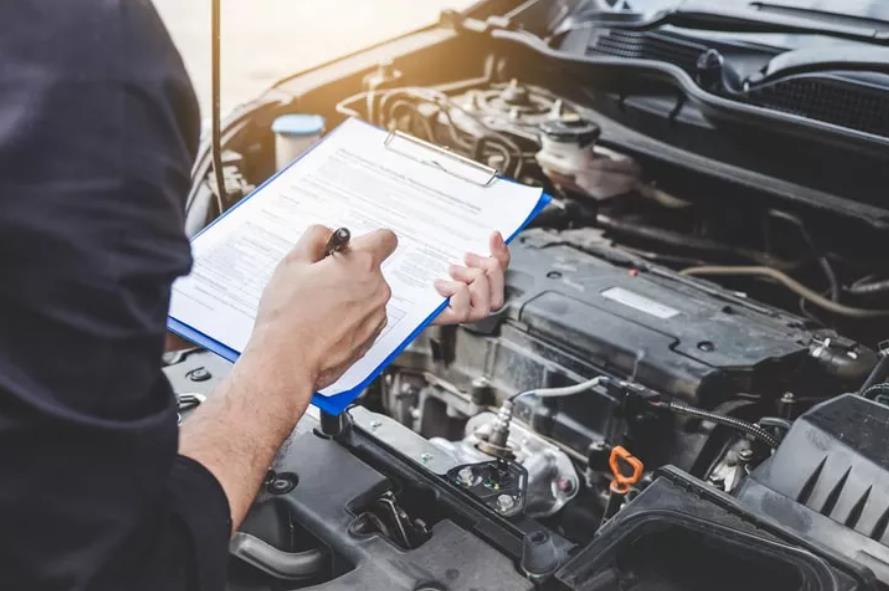
Buying a used car can be an exciting and financially savvy decision. You can save thousands of dollars compared to purchasing a new vehicle, yet the process is fraught with potential risks. Unlike a new car, a used car comes with a history you can’t always see, and hidden problems can emerge after purchase if you aren’t careful. From mechanical failures to legal complications, buying the wrong vehicle can quickly turn a bargain into a financial nightmare. That’s why inspecting a used car thoroughly before buying is essential. This guide will provide a step-by-step approach to inspecting a used car, covering everything from initial research to professional evaluations, ensuring that your purchase is both safe and satisfying.
Preparing for the Inspection
Before you even set foot near the car, preparation is crucial. A successful inspection begins with research and planning.
Define Your Needs and Budget
Understanding your needs and budget sets the foundation for the search. Ask yourself questions such as:
- What will I primarily use the car for? Commuting, family transportation, or weekend adventures?
- How much am I willing to spend, including potential repairs?
- What features are non-negotiable for me, such as safety systems, fuel efficiency, or cargo space?
Defining your requirements ensures that you focus only on vehicles that suit your lifestyle and finances.
Research Vehicle Models
Not all cars age equally. Some vehicles have a reputation for durability, while others are known for recurring problems. Resources like Consumer Reports, J.D. Power, and Edmunds can provide detailed information about reliability, common mechanical issues, and maintenance costs. Look for:
- Models known for long-term reliability
- Common issues reported by owners, such as transmission or engine problems
- Average resale value, as this can affect your long-term costs
Obtain the Vehicle History Report
A vehicle history report is a critical tool when buying a used car. Services like Carfax or AutoCheck provide comprehensive records of:
- Accidents or damage claims
- Odometer readings
- Title status and potential salvage records
- Service and maintenance history
A clean history report does not guarantee a flawless vehicle, but it significantly reduces your risk.
Gather Your Tools
While a professional inspection is recommended, having a few basic tools on hand can help you spot obvious issues:
- Flashlight to inspect dark engine bays and undercarriage areas
- Tire pressure gauge to check tire health
- OBD-II scanner to identify engine codes and potential faults
- Notebook or checklist to document observations
- Gloves and rag for a cleaner, hands-on inspection
Exterior Inspection
The exterior of the car often reveals clues about its past and current condition. Carefully examine the following:
Body Condition
Look closely for:
- Dents, scratches, or paint inconsistencies
- Rust, particularly in wheel wells, under doors, and along the undercarriage
- Mismatched paint panels, which may indicate past repairs
Check the alignment of doors, hood, and trunk. Uneven gaps or misaligned panels could be signs of prior accidents.
Lights and Lenses
All exterior lights should be tested, including:
- Headlights
- Tail lights
- Brake lights
- Turn signals
Ensure lenses are clear, undamaged, and properly mounted. Foggy or cracked lenses may not only affect visibility but also indicate neglect.
Tires and Wheels
Examine tires for:
- Tread depth and uneven wear patterns
- Cracks or bulges in the sidewalls
- Signs of past tire rotations or mismatched tires
Check rims for cracks, bends, or curb damage. These may affect ride quality and handling.
Glass and Mirrors
Inspect the windshield and windows for chips, cracks, or signs of replacement. Check side mirrors for damage or improper alignment. Water leaks often accompany poorly installed glass.
Interior Inspection
The interior of the car can reveal its true care history and functionality.
Seats and Upholstery
Check for:
- Excessive wear, tears, or stains on the seats
- Loose stitching or padding sagging
- Functionality of seat adjustments, including power features
A well-maintained interior often reflects overall care.
Dashboard and Controls
Test all dashboard controls and electronics:
- Air conditioning and heating
- Radio, navigation, and infotainment system
- Power windows, locks, and mirrors
Ensure gauges function properly and there are no warning lights active when the engine is running.
Safety Features
Confirm the condition of:
- Seatbelts
- Airbags (check dashboard labels)
- Anti-lock braking system (ABS) indicators
Safety systems are non-negotiable, and any malfunction is a red flag.
Smells and Cleanliness
Odd odors, such as mold, mildew, or cigarette smoke, can indicate hidden water damage or poor maintenance. Persistent smells can be costly to remove.
Engine and Under-the-Hood Inspection
The engine compartment is where many major issues can be identified.
Fluids Check
Inspect and evaluate the vehicle’s fluids:
- Engine oil should be amber or light brown; black or sludgy oil indicates neglect
- Transmission fluid should be red or pink for automatic transmissions; dark or burnt-smelling fluid is a concern
- Coolant should be clean and bright, without rust or debris
- Brake and power steering fluids should be at correct levels and free of discoloration
Belts and Hoses
Check for:
- Cracks, fraying, or wear on belts
- Soft, brittle, or leaking hoses
- Leaks around engine components
These may indicate expensive repairs if neglected.
Battery and Electrical System
Inspect the battery for corrosion or loose terminals. Verify that all electrical connections are secure. Test the battery voltage if possible.
Engine Performance Indicators
Listen for unusual noises such as knocking, ticking, or grinding when the engine starts. Smoke from the exhaust should be clear or light gray; blue or black smoke can indicate internal engine issues.
Underbody and Suspension
The undercarriage often holds the most telling signs of prior damage or neglect.
Frame and Structural Integrity
Check for:
- Rust, especially on the frame, floor pans, and suspension mounts
- Weld marks or bent metal, indicating accident repairs
Structural issues can affect safety and alignment.
Suspension Components
Examine:
- Shocks and struts for leaks or wear
- Springs for sagging or damage
- Bushings for cracks
Brakes and Rotors
Brake health is critical:
- Check rotor surfaces for grooves or rust
- Examine brake pads for thickness
- Test parking brake operation
Test Drive
A test drive is essential to evaluate the car’s performance.
Starting and Acceleration
The engine should start smoothly without hesitation or unusual noises. Acceleration should be consistent, and there should be no jerking or stalling.
Transmission
Automatic or manual, the transmission should shift smoothly. Hesitation or harsh shifting may indicate mechanical problems.
Steering and Handling
Test steering response, alignment, and handling:
- Car should track straight on a flat road
- Steering wheel should not vibrate or pull
Braking
Test brakes at various speeds:
- They should respond promptly and evenly
- No squealing, grinding, or pulsing
Comfort and Noise
Listen for rattles, squeaks, or wind noise. Pay attention to ride comfort over bumps and uneven surfaces.
Documentation and Legal Checks
Even a mechanically sound car can bring legal headaches.
Vehicle Registration and Title
Ensure the title is clear (no liens) and matches the seller’s information. Verify Vehicle Identification Number (VIN) on the car matches the title.
Insurance Records
Check if the car has a consistent insurance history and whether claims exist.
Odometer Verification
Confirm the odometer reading aligns with the vehicle’s history. Unexplained discrepancies could indicate tampering.
Recalls
Check for manufacturer recalls to ensure all safety updates are completed.
Professional Inspection
Even after a detailed personal inspection, hiring a certified mechanic for a pre-purchase inspection is highly recommended. Professional inspections can uncover hidden problems, including:
- Engine or transmission issues not visible to the naked eye
- Hidden corrosion or structural damage
- Electrical or sensor malfunctions
The cost of a professional inspection is often a small price to pay for peace of mind.
Price Negotiation and Decision
After inspections, it’s time to negotiate. Use the findings to:
- Request repairs or replacements before purchase
- Negotiate a lower price for minor imperfections
- Walk away if major issues are discovered
Remaining rational and patient is key. Emotional attachment can lead to poor financial decisions.
Inspecting a used car before buying is a critical step in protecting your investment. By preparing thoroughly, checking exterior and interior conditions, evaluating engine and suspension, test driving, reviewing documentation, and consulting professionals, you minimize the risks associated with used car purchases. Always remember that time spent inspecting a vehicle now can save thousands in repairs and stress later.
A thorough inspection ensures not only a safe and reliable car but also peace of mind, making your used car purchase a smart, satisfying decision.



Leave a Reply