 Trusted Car Reviews, News & Buying Advice.
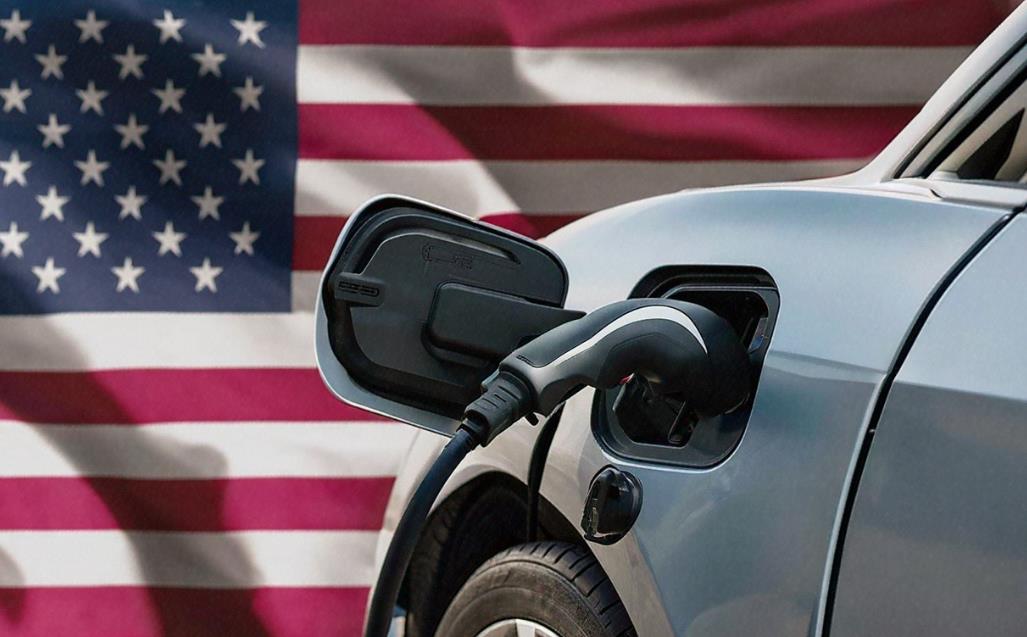
The electric vehicle (EV) revolution is well underway in the United States, driven by rising consumer demand, ambitious climate goals, and rapid technological advancements. A central pillar of this transformation is the development of EV charging infrastructure — the network of stations and ports that enables drivers to recharge their electric vehicles wherever they live, work, or travel. As more Americans consider EV adoption, the expansion of this infrastructure has become essential to support long-range travel, reduce “range anxiety,” and make EVs a viable choice for all drivers.
In this article, we explore the current status, drivers of growth, policy frameworks, regional disparities, technology trends, consumer impacts, and future outlook of EV charging infrastructure across the United States. This analysis is grounded in the latest data and trends, offering insights that are particularly relevant to readers in Europe and North America who are following global shifts in transportation electrification.
Rapid Growth in Charging Infrastructure
Over the past decade, the network of public EV charging stations in the U.S. has expanded at an unprecedented pace. The number of public charging ports has grown more than sixfold since 2016, when there were only about 30,000 public chargers nationwide. By January 2025, public charging infrastructure had climbed to around 195,000 charging ports across nearly 70,000 stations — a milestone reflecting rapid deployment to meet surging demand.
This expansion has come alongside a significant increase in electric vehicle sales. In 2024, over 1.5 million new EVs were sold in the U.S., representing about 10% of all new light-duty vehicle sales — up markedly year-over-year. The growing number of vehicles on the road naturally drives the need for charging infrastructure that can keep pace with consumer expectations.
Government funding and private investment have both played crucial roles. Initiatives such as the Bipartisan Infrastructure Law, NEVI (National Electric Vehicle Infrastructure) Formula Program, and discretionary grants totaling hundreds of millions of dollars have directly supported the installation of thousands of charging ports across states, including rural and underserved areas.
Policy Frameworks Driving Deployment
One of the defining catalysts for EV charging infrastructure expansion is federal and state policy. The Infrastructure Investment and Jobs Act of 2021 and the Inflation Reduction Act of 2022 allocated billions to support charging infrastructure buildouts nationwide, aiming to catalyze private investment and foster a robust public network.
Under the NEVI program, states receive formula-based funding to deploy public DC fast chargers along designated alternative fuel corridors, particularly on interstate highways. These stations are intended to ensure that EV drivers have reliable access every 50 miles or less on major travel routes, facilitating long-distance EV travel across regions.
Despite strong policy support, the expansion has encountered political and administrative hurdles. For example, in early 2025, a move to suspend the NEVI program caused uncertainty, although legal challenges and policy debates are ongoing regarding its implementation. Such dynamics underscore the role of federal and state policy environments in shaping the speed and distribution of infrastructure growth.
Distribution and Regional Variations
While the U.S. has made considerable strides in rolling out charging infrastructure, coverage remains uneven across regions. California leads the nation by a wide margin, with over 49,000 public chargers — more than triple the quantity in the second-ranked state. Other top states include New York, Florida, Texas, and Massachusetts, each with thousands of charging points serving diverse urban and suburban communities. In contrast, many southern and central states have significantly lower charger densities.
Moreover, charger density varies not just by state, but by community type. Urban areas tend to have more chargers per capita and per square mile, while many suburban and rural regions lag behind. About six in ten Americans live within two miles of a public charger, but proximity drops significantly outside dense urban centers.
This patchwork distribution underscores the importance of strategic planning to ensure equitable access — particularly as EV adoption expands beyond early adopters in metropolitan hubs to broader segments of the population.
Types of Charging and Technological Trends
Charging infrastructure is typically categorized into three main levels:
- Level 1 (L1) charging — Standard household outlets providing slow charging, often used for overnight home charging.
- Level 2 (L2) charging — Faster than Level 1, commonly found at workplaces, shopping centers, and public parking areas.
- DC Fast Charging (DCFC) — High-power stations that can charge an EV to 80% in roughly 20–45 minutes, ideal for long-distance travel and quick top-ups.
While Level 1 and Level 2 chargers make up the bulk of total ports, DC fast chargers are increasingly prioritized for public sites and highway corridors to address range anxiety and to support longer trips. In 2025 alone, an estimated 16,700 new fast‑charging ports were projected to come online, building toward a future where the total DCFC network could exceed 100,000 ports by 2027.
Technological innovation also includes the wider adoption of higher‑power connectors, with many new stations offering 250 kW or higher output. This trend accelerates charging times and improves user experience, especially for modern EVs with large battery capacities.
Interoperability and standards convergence, such as the spread of the North American Charging Standard (NACS), are making networks more user‑friendly by reducing the need for multiple adapters and enabling broader access across different EV models.
Public and Private Sector Roles
The expansion of EV charging infrastructure is neither purely a public sector nor a private sector endeavor — both are integral to progress.
Public Investments
Federal, state, and local governments have invested heavily in infrastructure buildout, often focusing on public access sites and underserved regions. Federal grant programs have helped deploy tens of thousands of ports, including in rural and tribal communities where private investment is less concentrated.
Private Sector Participation
Private companies and automakers are major contributors as well. Providers like ChargePoint, EVgo, Electrify America, and others continue to expand networks of both fast and Level 2 chargers. Automakers have also invested directly in charging initiatives — for example, GM’s partnership with EVgo and Pilot to install high‑power DC fast chargers at interstate travel centers across multiple states.
Retailers and national chains — including Target, Wawa, IKEA, and Cracker Barrel — are adding charging stations at commercial sites, recognizing the opportunity to attract EV drivers and support longer visits.
The collaboration between public funding and private deployment has accelerated buildout and encouraged innovation in site location, payment systems, and network management.
Consumer Impact and Charger Utilization
For many drivers, public charging remains a key factor in EV adoption decisions. Although most EV owners primarily charge at home, public infrastructure is critical for longer trips, renters without home chargers, and drivers in urban cores without dedicated parking.
Despite the rapid expansion, consumer concerns such as availability, cost, and charger reliability continue to influence perception. Surveys show that range anxiety and charging accessibility remain key deterrents for prospective EV buyers, even as charging networks improve and grow.
Charging costs have also shown signs of stabilization, with some networks introducing variable pricing that rewards off‑peak charging and competition leading to modest cost declines.
Environmental and Economic Benefits
Expanding charging infrastructure has implications beyond convenience and consumer confidence:
- Environmental impact: A robust charging network supports greater EV adoption, which in turn reduces greenhouse gas emissions from the transportation sector — a significant driver of national climate targets.
- Economic development: Infrastructure projects create jobs in construction, electrical work, and network maintenance, and stimulate investment in local communities where chargers are installed.
- Energy grid integration: As EV adoption grows, smart charging and vehicle‑to‑grid (V2G) technologies offer potential to balance grid loads and support renewable energy integration, enhancing overall energy system efficiency.
These benefits help align transportation electrification with broader goals around sustainability and energy independence.
Challenges and the Road Ahead
Despite progress, the journey toward a fully adequate charging network faces several challenges.
Coverage and Equity
Rural areas and lower‑income communities often lag in charger deployment, posing equity issues as EV adoption broadens. Effective policy and strategic planning are needed to ensure equitable access.
Grid Capacity and Planning
A more electrified transportation system adds demands to the power grid. Strategic coordination between utilities, planners, and charging operators is essential to build resilient infrastructure capable of supporting future growth.
Policy Continuity
Political shifts can affect funding programs. Sustained and predictable policy support is crucial to maintain investor confidence and continue steady infrastructure growth.
Future Outlook
Looking forward, the U.S. is projected to need millions of charging ports to support tens of millions of EVs on the road by the end of the decade. Estimates suggest that by 2030, the nation may require 28 million charging ports — the vast majority for Level 1 and Level 2 home and workplace charging — and hundreds of thousands of public fast chargers to support long‑distance travel and drivers without home access.
Public charging infrastructure is expected to expand along every major highway corridor, with improved density in cities and suburbs. As standards converge and deployment scales, charging infrastructure will become increasingly seamless, reliable, and integrated with broader smart energy systems.
For European and North American readers following electrification trends abroad, the U.S. experience offers valuable lessons in building infrastructure through public-private collaboration, policy incentives, and technological innovation.
The expansion of EV charging infrastructure across the United States is one of the defining transportation developments of the 2020s. From a fragmented network of a few tens of thousands of chargers a decade ago, the country has built a robust and growing system of public and private charging stations that supports consumer adoption and enables long‑distance travel. While challenges remain in coverage, equity, and grid integration, the trajectory is unmistakable: the charging network will continue to scale, diversify, and improve — powering the next generation of electric mobility.




Leave a Reply