 Trusted Car Reviews, News & Buying Advice.
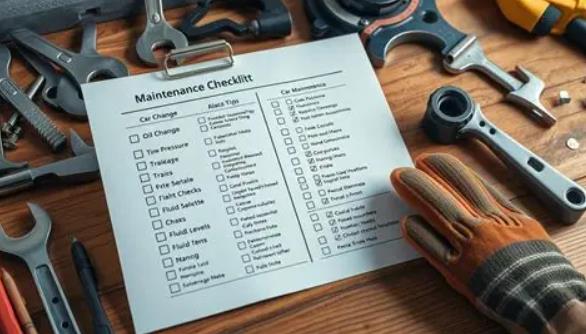
A Complete Guide to Keeping Your Vehicle Safe, Reliable, and Efficient
Car ownership in 2025 is more technologically advanced than ever before. Vehicles now integrate complex electronics, advanced driver-assistance systems, hybrid and electric drivetrains, smart diagnostics, and increasingly strict emissions standards. While cars are smarter, they are also more dependent on proper maintenance to deliver peak performance, safety, and longevity.
Whether you drive a gasoline vehicle, hybrid, or fully electric car, neglecting routine maintenance can lead to sudden breakdowns, higher fuel consumption, expensive repairs, and lower resale value. Preventive maintenance is no longer optional—it is a fundamental responsibility for every car owner.
This comprehensive car maintenance checklist for 2025 is designed for drivers in the United States, Canada, the United Kingdom, and the European Union. It reflects modern automotive technology, changing driving habits, and real-world conditions such as harsh winters, long commutes, and increased urban traffic.
By following this guide, you can:
- Extend your vehicle’s lifespan
- Improve fuel or battery efficiency
- Enhance driving safety
- Avoid costly repairs
- Maintain strong resale value
Why Regular Car Maintenance Matters More in 2025
Modern vehicles are engineered with tighter tolerances and complex computer control systems. Even minor neglect can trigger cascading failures across multiple systems. Additionally, labor costs and parts prices continue to rise globally, making preventive care far more economical than reactive repairs.
Regular maintenance helps you:
- Detect mechanical issues before they become dangerous
- Protect expensive components such as transmissions and battery packs
- Ensure emissions compliance
- Maintain software and sensor accuracy
- Avoid roadside breakdowns and towing costs
In 2025, car ownership is not just about driving—it is about system management.
Daily and Weekly Visual Inspection Checklist
Most drivers underestimate how much can be learned through quick visual checks. These take only a few minutes and can prevent major failures.
Tire Condition and Pressure
Proper tire care improves safety, comfort, and efficiency.
You should check:
- Tire pressure (at least monthly, weekly for long-distance drivers)
- Uneven tread wear
- Cuts, bulges, or embedded objects
- Cracks in sidewalls
- Presence of a functioning spare tire or mobility kit
Incorrect pressure affects braking distance, steering control, and fuel economy. In cold climates, pressure drops rapidly in winter.
External Lighting
Working lights are critical for visibility and legal compliance.
Inspect regularly:
- Headlights (low and high beam)
- Daytime running lights
- Brake lights
- Turn signals
- Reverse lights
- Fog lights
A single non-functioning bulb can result in fines and increased accident risk.
Fluid Leaks Under the Vehicle
Fresh puddles or stains under your parked vehicle may indicate leaks from:
- Engine oil
- Coolant
- Brake fluid
- Transmission fluid
- Power steering fluid (on older cars)
Even small leaks should be investigated immediately.
Monthly Under-the-Hood Maintenance
Opening the hood once a month allows early detection of many serious problems.
Engine Oil Level and Condition
Oil lubricates, cleans, cools, and protects engine components.
Check for:
- Proper oil level between minimum and maximum marks
- Oil color (dark is normal; milky indicates coolant contamination)
- Burnt smell or metal particles
Turbocharged engines and high-performance vehicles are especially sensitive to oil condition.
Coolant Level
Modern engines operate under higher thermal loads, particularly hybrids and turbocharged cars.
Low coolant can lead to:
- Overheating
- Head gasket failure
- Warped engine components
Only use manufacturer-approved coolant types.
Brake Fluid Level
Brake fluid absorbs moisture over time, reducing braking force and causing corrosion.
Low brake fluid often signals:
- Worn brake pads
- Leaking brake lines
- Failing master cylinder
Windshield Washer Fluid
Visibility is critical to safety. In winter climates, use freeze-resistant washer fluid.
Battery Health Check
Even traditional 12-volt batteries now support dozens of control modules.
Look for:
- Corrosion on terminals
- Loose connections
- Warning messages on the dashboard
Short urban trips are especially hard on batteries in modern vehicles.
Engine Oil and Filter Change Intervals in 2025
Oil technology has improved, but engines are more demanding than ever.
Standard Interval Guidelines
- Conventional oil: every 3,000–5,000 miles
- Synthetic blend: every 5,000–7,500 miles
- Full synthetic oil: every 7,500–10,000 miles
However, always follow the manufacturer’s exact recommendation, especially for turbocharged and direct-injection engines.
Severe Driving Conditions
Short trips, towing, city driving, extreme temperatures, and dusty environments require shorter oil intervals.
Skipping oil changes is one of the fastest ways to destroy an engine.
Tire Maintenance and Wheel Care
Tires are the only contact between your vehicle and the road.
Tire Rotation
Rotate all tires every 5,000–8,000 miles to ensure even wear and longer lifespan.
Uneven wear causes:
- Vibrations
- Steering pull
- Reduced traction
Wheel Alignment
Misaligned wheels cause rapid tire wear and unstable handling. Symptoms include:
- Vehicle pulling to one side
- Crooked steering wheel
- Rapid edge wear on tires
Alignment should be checked annually or after hitting potholes.
Tire Balancing
Unbalanced wheels cause vibrations at highway speeds and shorten suspension life.
Brake System Inspection
Brakes remain the most critical safety system on your car.
Brake Pads and Rotors
Check thickness regularly. Modern vehicles display wear alerts, but physical inspection is still essential.
Symptoms of brake wear:
- Squealing or grinding noises
- Steering wheel vibration
- Reduced stopping power
- Brake pedal pulsation
Brake Fluid Flush
Brake fluid should normally be replaced every two to three years. Moisture absorption lowers boiling point and increases brake fade during emergency braking.
Electronic Brake Systems in 2025
Vehicles now integrate:
- Automatic emergency braking
- Brake-by-wire systems
- Regenerative braking (hybrids and EVs)
Proper calibration during service is critical for safety.
Suspension and Steering Maintenance
Comfort, stability, and handling depend on a healthy suspension system.
Inspect:
- Shock absorbers and struts
- Control arms
- Bushings
- Ball joints
- Tie rods
Worn suspension parts cause:
- Uneven tire wear
- Poor steering response
- Increased stopping distance
- Vehicle instability over bumps
Transmission Service and Drivetrain Care
Modern transmissions are extremely expensive to replace. Preventive care is far cheaper.
Automatic Transmissions
Fluid service intervals vary:
- Traditional automatics: every 30,000–60,000 miles
- Dual-clutch gearboxes: often 40,000–50,000 miles
- CVT gearboxes: often more frequent
Skipping transmission fluid service can destroy the unit.
Manual Transmissions
Even manual gearboxes require periodic fluid replacement to prevent bearing and gear wear.
AWD and Differential Fluid
Vehicles with all-wheel drive require:
- Front differential fluid
- Rear differential fluid
- Transfer case service
Neglecting these fluids leads to catastrophic drivetrain damage.
Air Filters and Cabin Filters
Engine Air Filter
A clogged air filter reduces horsepower and fuel efficiency while increasing emissions. Replace every 12,000–20,000 miles, sooner in dusty environments.
Cabin Air Filter
This filter cleans air entering the interior. A dirty cabin filter causes:
- Weak HVAC airflow
- Persistent odors
- Poor defogging
- Increased allergy symptoms
Replace at least once per year.
Cooling System Service
Failures in the cooling system are among the most destructive in automotive engineering.
Key components include:
- Radiator
- Thermostat
- Water pump
- Cooling fans
- Hoses
Coolant replacement intervals vary between 2 to 5 years depending on formulation. Old coolant loses corrosion resistance and lubrication.
Hybrid and EV systems often contain multiple cooling loops, making proper coolant type mandatory.
Fuel System Maintenance for Gasoline Vehicles
Fuel Injectors
Direct-injection engines are prone to carbon buildup. Periodic injector cleaning helps prevent:
- Rough idle
- Poor acceleration
- Misfires
- Higher emissions
Fuel Filter
Many modern cars integrate the fuel filter with the fuel pump, but older vehicles still require periodic replacement.
Exhaust and Emissions System Inspection
Emissions systems in 2025 are more sensitive than ever.
Key components:
- Oxygen sensors
- Catalytic converters
- Diesel particulate filters (DPF)
- Exhaust gas recirculation (EGR) valves
Warning signs include:
- Check engine light
- Sulfur or rotten-egg smell
- Reduced fuel economy
- Failed emissions testing
HVAC System and Climate Control Maintenance
Air conditioning is now an essential safety and comfort feature.
Refrigerant Checks
Low refrigerant causes weak cooling and compressor damage.
Cabin Evaporator Cleaning
Modern cars trap moisture inside HVAC systems, promoting mold growth without periodic cleaning.
Heated and Ventilated Seats
Seat climate systems also rely on intact HVAC air channels and electronics.
Software Updates and Electronic Systems
In 2025, software maintenance is as important as mechanical maintenance.
Most modern vehicles require:
- ECU firmware updates
- ADAS sensor calibration
- Infotainment system updates
- Battery management system optimization
Outdated software can cause:
- False warning lights
- Sensor misalignment
- Reduced safety system performance
Dealerships and specialized workshops now treat software updates as standard maintenance.
Hybrid Vehicle Maintenance Checklist
Hybrid vehicles combine internal combustion and electric systems, requiring special attention.
Key areas:
- High-voltage battery cooling system
- Inverter coolant
- Regenerative braking components
- Power electronics inspection
While hybrids often need fewer brake replacements due to regenerative braking, their cooling systems are more complex.
Electric Vehicle (EV) Maintenance Checklist for 2025
EVs have fewer moving parts but require highly specialized care.
High-Voltage Battery Health
Battery condition is critical for range and performance. Diagnostic scans monitor:
- Cell balance
- Temperature control
- Charging efficiency
Cooling System for Battery and Motors
Thermal management is essential for EV lifespan.
Brake System
EVs also benefit from regenerative braking but still require periodic pad and rotor service due to corrosion on rarely used braking surfaces.
Software and Charging System
- Charger compatibility updates
- Battery firmware updates
- Public and home charging equipment inspection
EV ownership emphasizes electrical and software health over traditional mechanical wear.
Seasonal Car Maintenance Checklist
Winter Preparation
- Battery load testing
- Winter tires or all-weather tires
- Antifreeze concentration test
- Wiper blade replacement
- Washer fluid freeze protection
- Door seal lubrication
Summer Preparation
- Air conditioning inspection
- Coolant condition
- Tire pressure adjustments for heat
- Radiator cleaning
- Cabin filter replacement
Seasonal preparation prevents most climate-related breakdowns.
Windshield, Wipers, and Visibility Systems
Clear visibility is a primary safety requirement.
Replace wiper blades every 6–12 months. Inspect:
- Windshield cracks or chips
- Rain sensors
- Defrosting elements
- Head-up display projectors
Advanced driver-assistance systems rely on clear camera visibility.
Body, Paint, and Rust Prevention
Road salt, humidity, and UV radiation accelerate corrosion and paint damage.
Protect your vehicle by:
- Regular washing
- Underbody cleaning in winter
- Wax or ceramic coating
- Prompt repair of paint chips
Rust not only damages appearance but weakens structural integrity and resale value.
Record Keeping and Digital Maintenance Logs
In 2025, digital maintenance records are essential.
Benefits include:
- Easier resale transactions
- Accurate service tracking
- Warranty protection
- Automated service reminders
Many vehicles now integrate maintenance tracking directly into mobile apps.
Maintenance Costs vs. Repair Costs
Preventive maintenance typically costs a fraction of major repairs.
Examples:
- Regular oil changes cost hundreds annually
- A failed engine costs thousands
- Brake fluid service costs a small fraction of full brake system replacement
- Transmission fluid service is far cheaper than complete transmission failure
The financial logic behind preventive care is undeniable.
Choosing the Right Service Provider
Vehicle owners in 2025 can choose between:
- Franchised dealerships
- Independent repair shops
- Specialty hybrid and EV centers
- Fleet service providers
Look for:
- Manufacturer certifications
- Modern diagnostic equipment
- Transparent pricing
- Clear digital service reports
- Customer warranty protection
Common Car Maintenance Mistakes to Avoid in 2025
Many modern failures result from outdated maintenance habits.
Avoid:
- Ignoring warning lights
- Delaying software updates
- Using incorrect fluids
- Assuming EVs require no maintenance
- Skipping brake fluid changes
- Neglecting tire condition
- Delaying cooling system service
Modern vehicles give plenty of warning before failure—drivers must respond.
Maintenance Planning for High-Mileage Vehicles
If your vehicle exceeds 100,000 miles, maintenance must be even more disciplined.
Key focus areas:
- Suspension refresh
- Cooling system overhaul
- Transmission inspection
- Timing chain or belt systems
- Fuel system service
- Electrical harness inspection
High-mileage vehicles can remain reliable with proper care.
Resale Value and Long-Term Ownership
A fully documented maintenance history can increase resale value by thousands of dollars. Buyers in Western markets increasingly demand full service records, battery health reports, and electronic system verification.
A well-maintained five-year-old vehicle often outperforms a neglected three-year-old vehicle.
Your 2025 Car Maintenance Strategy
Automotive technology in 2025 offers incredible safety, efficiency, and performance, but it demands informed ownership. Vehicles are no longer simple machines—they are highly integrated technological systems.
A disciplined maintenance routine is no longer optional:
It is the foundation of safety, reliability, financial efficiency, and environmental responsibility.
By following this Essential Car Maintenance Checklist for 2025, you ensure:
- Safer driving for yourself and others
- Lower long-term ownership costs
- Stronger performance and efficiency
- Higher resale value
- Longer vehicle lifespan
Whether you drive a compact gasoline car, a luxury hybrid SUV, or a fully electric performance sedan, proactive maintenance remains the single most powerful tool for protecting your investment.


Leave a Reply