 Trusted Car Reviews, News & Buying Advice.
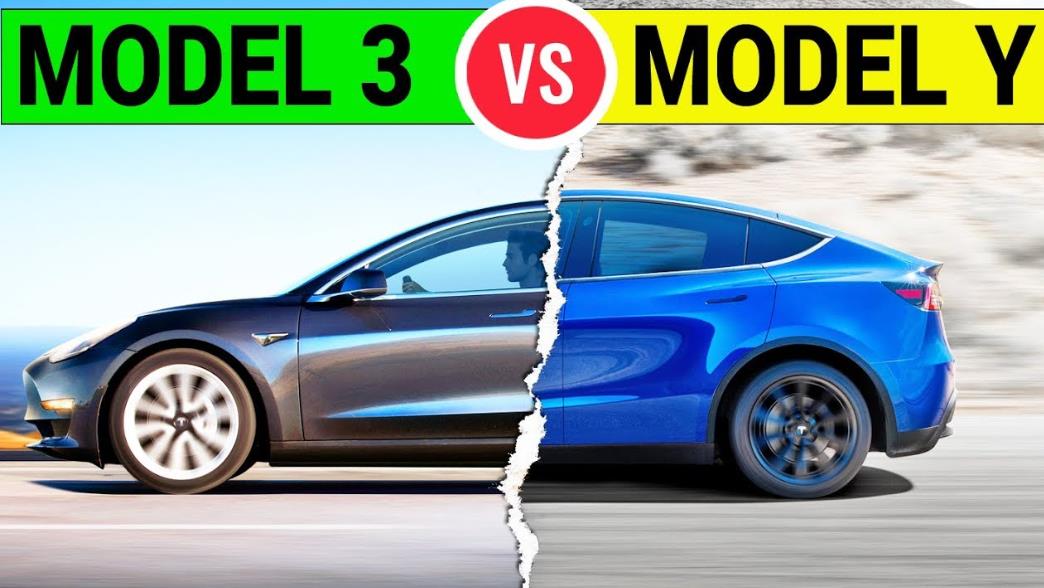
Tesla’s Model 3 and Model Y have dominated the global EV market for years. In 2025, both vehicles remain critical to Tesla’s lineup—and to buyers who want cutting‑edge electric performance without entering luxury price territory. Choosing between these two isn’t straightforward: they share platforms and technology yet serve different customer needs. This guide breaks down what’s new in 2025, compares specs, highlights practical differences, and helps you decide which Tesla is right for you.
Tesla set the pace for mainstream electric vehicles with the Model 3 sedan and expanded that success with the Model Y SUV. Both are built on similar architectures and share many components, but they’re tailored to different lifestyles. One prioritizes driving dynamics and efficiency, while the other emphasizes versatility and space. As electric cars become the default choice for many drivers in the United States and Europe, understanding the real differences matters more than ever.
In 2025, new trims, pricing adjustments, and competitive pressure from other EV makers make this decision even more important for consumers. With Tesla’s recent launch of more affordable “Standard” trims for both models, the choice has shifted again, and this analysis will walk you through everything you need to know before buying.
Price and Trim Levels
Price is one of the most practical considerations for any buyer. Tesla has recently introduced lower‑cost variants for both the Model 3 and Model Y across major markets.
Here’s a side-by-side comparison of 2025 pricing and key performance specs:
| Model | Trim | Starting Price (USD) | Drivetrain | 0–60 mph | Top Speed | Range (miles) |
|---|---|---|---|---|---|---|
| Model 3 | Standard RWD | $36,990 | RWD | 5.8 s | 140 mph | 272 |
| Model 3 | Long Range AWD | $42,490 | AWD | 4.2 s | 145 mph | 358 |
| Model 3 | Performance AWD | $54,990 | AWD | 2.9 s | 163 mph | 348 |
| Model Y | Standard RWD | $39,990 | RWD | 5.3 s | 135 mph | 244 |
| Model Y | Long Range AWD | $44,990 | AWD | 4.8 s | 135 mph | 330 |
| Model Y | Performance AWD | $51,990 | AWD | 3.5 s | 155 mph | 318 |
In 2025, the base Model 3 is generally cheaper by a few thousand dollars than the base Model Y, but when comparing similarly equipped trims, the price difference can shrink to just a few hundred dollars. Options like Full Self‑Driving, paint color, interior packages, and wheels add to the final cost.
Performance and Driving Experience
Tesla has been iterating both models’ performance and battery efficiency, and though they share technology, each handles differently.
The Model 3 generally delivers quicker acceleration and higher top speed, particularly in Performance trims. The Model 3 Performance AWD can go from 0–60 mph in about 2.9 seconds, with a top speed of around 163 mph. The Model Y Performance AWD does 0–60 mph in about 3.5 seconds, with a top speed near 155 mph. The Model 3’s lower weight and sleeker sedan profile give it a slight edge in acceleration and efficiency.
Range is another critical factor for EV buyers. The Model 3 Long Range achieves approximately 346–363 miles, while the Model Y Long Range reaches around 311–337 miles. The Model 3’s sedan body is more aerodynamic, providing longer range on comparable battery packs. Both vehicles support Tesla’s DC fast charging through the Supercharger network, which remains one of the most extensive and reliable infrastructures in North America and Europe.
Here’s a table summarizing battery and efficiency differences:
| Model | Battery Pack | EPA Range | Supercharging Rate | Efficiency (Wh/mi) |
|---|---|---|---|---|
| Model 3 Long Range | 82 kWh | 358 mi | 250 kW | 250 |
| Model 3 Performance | 82 kWh | 348 mi | 250 kW | 265 |
| Model Y Long Range | 75 kWh | 330 mi | 250 kW | 270 |
| Model Y Performance | 75 kWh | 318 mi | 250 kW | 280 |
For most drivers, the difference in range and performance is subtle. The Model 3 excels in efficiency and speed, while the Model Y delivers sufficient range with added utility.
Interior, Cargo, and Practicality
The SUV body style of the Model Y delivers tangible advantages in space and versatility. It offers more headroom and legroom in the rear seats, a hatchback design with fold-flat rear seats for larger cargo capacity, and easier passenger access due to the higher seating position. These features make the Model Y more family-friendly compared to the lower-slung Model 3 sedan.
The Model 3’s sleek exterior and lower roofline deliver a sportier feel but restrict cargo volume and rear passenger space.
Here’s a direct comparison of interior dimensions and cargo space:
| Model | Rear Headroom | Rear Legroom | Cargo Volume (Seats Up) | Cargo Volume (Seats Down) |
|---|---|---|---|---|
| Model 3 | 37.7 in | 35.2 in | 15 cu ft | 42 cu ft |
| Model Y | 39.4 in | 40.5 in | 30 cu ft | 68 cu ft |
Both models come with Tesla’s signature minimalist interior centered around a large central touchscreen. Optional features include the Full Self‑Driving package, premium audio systems, heated/ventilated seats, and ambient lighting. Tesla’s software stack and over-the-air updates ensure ongoing improvements in interface, performance, and safety features regardless of model.
Safety and Driver Assistance
Safety is a major consideration for many buyers, particularly families and daily commuters. Both the Model 3 and Model Y score highly in crash tests and safety ratings, excelling in rollover, frontal impact, and side impact assessments. The Model Y’s SUV proportions and structure offer particularly strong safety credentials.
| Model | NHTSA Overall Rating | IIHS Top Safety Pick | Notable Features |
|---|---|---|---|
| Model 3 | 5 stars | Top Safety Pick+ | Autopilot, Forward Collision Warning, Automatic Emergency Braking |
| Model Y | 5 stars | Top Safety Pick+ | Autopilot, Lane Departure Warning, Rollover Protection |
Standard and optional advanced safety features include automatic emergency braking, forward collision warning, lane departure warning, blind spot monitoring, and Autopilot or Full Self‑Driving. Tesla’s software-defined safety systems receive frequent updates, adding or refining features even after purchase. The Model Y’s larger footprint and stability make it especially appealing for buyers concerned about rollover risk and overall crash protection.
Daily Ownership Costs
Electric vehicles generally have lower ongoing maintenance due to fewer moving parts and regenerative braking reducing brake wear. However, total ownership also includes insurance, electricity costs, tire wear, and depreciation.
Tesla’s strong brand recognition helps residual values, but EV resale values can vary by region and incentives. Range and battery health remain important factors in long-term value. Both the Model 3 and Model Y have historically held value well compared to other EVs, though competitive pressure in Europe and North America has begun affecting price trends.
Who Should Consider Each Model
Choosing the right Tesla depends on lifestyle, priorities, and budget.
The Model 3 is best for those who prioritize efficiency and range, want sportier handling, do not require extensive cargo space, and prefer a lower entry price. It remains an excellent choice for singles, couples, or commuters.
The Model Y is better suited for those who need extra room for passengers or gear, want an SUV with practical cargo capacity, frequently travel with kids or pets, or prefer an elevated driving position. It is ideal for families and drivers who want all-around utility without sacrificing much range or performance.
In 2025, both the Tesla Model 3 and Model Y offer compelling advantages. The Model 3 is the more traditional sedan choice, efficient, quick, and attractively priced. The Model Y adds space and versatility, making it a better fit for families and practical daily driving.
Ultimately, the best choice depends on personal needs: budget, lifestyle, range requirements, and intended use. Both remain excellent representations of Tesla’s EV leadership but fulfill slightly different roles.
Before purchasing, test drive both models, compare insurance quotes, consider local incentives, and evaluate your charging options. Understanding how each vehicle fits into your daily life ensures a decision that meets both practical and emotional needs.


Leave a Reply