 Trusted Car Reviews, News & Buying Advice.
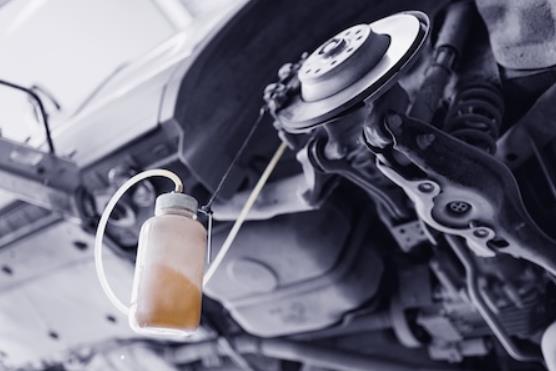
Brakes are the single most important safety component on your vehicle. Whether you drive a compact sedan through busy city streets, a pickup across long rural highways, or an SUV loaded with family and luggage, your ability to stop safely determines your ability to avoid accidents. Yet brake issues are often subtle at first, and many drivers ignore early symptoms until the situation becomes dangerous or extremely expensive to repair.
Across the United States, brake-related failures remain a significant contributor to avoidable accidents. Modern vehicles do have advanced safety systems like ABS, electronic brake distribution, and various driver-assist technologies, but none of these systems can compensate for worn-out pads, leaking brake fluid, or damaged rotors. If your braking system is compromised, every part of your driving experience becomes riskier—from navigating rush-hour traffic to descending steep mountain roads.
This detailed guide explains the most common and most critical signs that your brakes need immediate attention. It is written specifically for American drivers and covers real-world scenarios, regional driving conditions, and maintenance practices based on U.S. driving habits. If you recognize any of these symptoms, do not wait. Brake problems never improve on their own.
Brake Warning Lights Illuminate on the Dashboard
When a brake-related warning light turns on, the car is trying to tell you something that should never be ignored. Modern vehicles typically use two major indicators: the ABS light and the red brake system warning light. Both matter, but the red warning light is more urgent.
The ABS light usually signals a problem with the anti-lock braking system. While ABS failure might not prevent the car from braking under normal conditions, it does affect stability during emergency stops and slippery-road braking. A malfunctioning ABS module, damaged wheel sensor, or corroded wiring harness can trigger the light. Many drivers assume ABS issues can wait, but losing ABS during rain or snow dramatically increases stopping distance.
The red brake warning light is more serious. It might activate when the brake fluid level is low, which often indicates pad wear or a potential leak. It can also turn on if the parking brake is partially engaged. If this light stays on while driving—especially if you feel any change in braking performance—pull over and inspect immediately. Low brake fluid can quickly lead to total hydraulic failure, meaning the brake pedal may eventually go to the floor with almost no stopping power.
Whenever a brake-related warning light comes on, the safest option is to treat it seriously. Continuing to drive could cause further damage or put you at risk of brake failure in an emergency.
Grinding, Squealing, or Scraping Noises
Brake noises are one of the earliest indicators that something is wrong. While some noises are harmless, many warn that your pads or rotors are nearing the end of their service life.
A sharp, high-pitched squeal often comes from the built-in wear indicator found on most brake pads in North American vehicles. This small metal tab is designed to make a noticeable sound once the pad material becomes thin, reminding you to replace your pads before they reach metal-to-metal contact.
Grinding, scraping, or growling noises, however, are far more serious. These sounds usually mean your brake pads are completely worn down and the steel backing plate is now pressing directly against the rotor. At this stage, braking power decreases dramatically, stopping distance increases, and the rotors will likely need replacement because of the deep scoring or heat damage caused during metal-on-metal contact.
In wet weather, light squeaking can be normal due to moisture on the rotors, but persistent noise is a sign of mechanical wear, uneven pad deposits, warped rotors, or contamination from oil or road debris. If you hear grinding, do not continue driving unless absolutely necessary. Immediate service is required.
Vibrations or Pulsation in the Brake Pedal or Steering Wheel
Brake vibration is one of the most common complaints among U.S. drivers, especially those who frequently drive at highway speeds. When you step on the pedal and feel a pulsing sensation, shaking, or wobble—either in the pedal or steering wheel—it usually means the brake rotors are warped.
Rotors can warp due to excessive heat. Hard braking from high speeds, towing heavy loads, mountain driving, or being stuck in stop-and-go traffic for long periods can cause uneven heating. When the metal cools unevenly, it develops high and low spots. As the brake pads pass over these irregular surfaces, the vibration becomes noticeable.
If you feel vibration primarily in the steering wheel, the front rotors are most likely affected. If the vibration is felt mainly in the brake pedal, the issue could be with the rear brakes. Uneven pad wear, seized caliper slide pins, and improperly installed rotors can also cause pulsation.
Ignoring rotor issues leads to more serious braking problems and may also damage calipers and suspension components. If braking vibration becomes stronger over time or appears suddenly after hard braking, schedule a brake inspection as soon as possible.
Soft, Spongy, or Sinking Brake Pedal
A brake pedal that feels soft, spongy, or requires more pressure than usual is a critical red flag. Hydraulic brake systems rely on consistent pressure. Any change in pedal feel means something is interfering with the system’s ability to build pressure.
Air in the brake lines is one common cause. Air compresses, while brake fluid does not, so air pockets reduce braking efficiency. This often occurs when fluid levels drop too low or if the system has a small leak.
Brake lines themselves can fail, particularly in regions where winter road salt is used. States in the Northeast and Midwest often see corroded steel brake lines that eventually develop leaks. A ruptured line can cause sudden, catastrophic brake failure.
A failing master cylinder is another possibility. When internal seals wear out, the pedal may sink slowly to the floor. This is extremely dangerous because it indicates that hydraulic pressure is escaping inside the braking system.
In all cases, a soft pedal is a sign you should not continue driving. Have the vehicle towed to a repair shop to avoid total braking loss on the road.
The Car Pulls to One Side While Braking
If your vehicle veers left or right when you brake, it likely indicates uneven braking force on the wheels. This condition is dangerous because it affects stability, especially during emergency stops.
Stuck or frozen caliper pistons are a common cause. A caliper that cannot retract properly may keep pressure on one wheel, causing the car to pull in that direction. This problem is especially common in snowy regions where salt causes corrosion.
Uneven brake pad wear is another potential reason. If one side wears faster than the other, the braking force becomes unbalanced. Worn suspension components or collapsed brake hoses can also cause braking pull.
Drivers towing trailers or driving on steep terrain may notice this issue more often, as the additional stress can aggravate existing brake caliper or rotor problems. No matter the cause, brake pull is a safety hazard that needs immediate inspection.
Burning Smell After Braking
A strong burning odor—especially after driving downhill, during heavy traffic, or after towing—typically means your brakes are overheating. Excessive heat reduces braking performance through a process known as brake fade, where the pads and rotors become so hot that friction temporarily decreases.
A burning smell can also indicate a stuck caliper or parking brake that didn’t fully release. When this happens, one wheel may become significantly hotter than the others. Continuing to drive with overheated brakes can lead to glazed pads, warped rotors, and in worst cases, smoking or even fire.
In mountainous states like Colorado, Utah, or California, brake overheating is common on long downhill grades. Using lower gears and engine braking helps maintain safe temperatures. If you smell burning and notice reduced braking power, pull over, allow your brakes to cool, and check for mechanical failures.
Brake Fluid Leaks and Low Brake Fluid Levels
Brake fluid is crucial for building hydraulic pressure. Without it, your brakes cannot function. Leaks may occur at the brake lines, calipers, master cylinder, or ABS module.
A small puddle of clear or slightly brownish liquid under the car—especially near the wheels or under the engine bay—may be brake fluid. Unlike motor oil or coolant, brake fluid has a slippery and oily feel and can damage paint.
Fluid loss also allows air to enter the system, causing a soft pedal. In severe cases, the pedal may go straight to the floor. This is one of the most dangerous brake failures, as it can occur without much warning.
Any signs of fluid leakage require immediate attention. A car with a brake fluid leak should not be driven under any circumstances.
Longer Stopping Distances
If your car requires more distance to stop than before, your braking system is no longer performing properly. This symptom can develop gradually, making it easy to overlook.
Worn brake pads are the most common cause, but other factors include contaminated brake pads, swollen brake hoses, failing calipers, or glazed rotors. Old brake fluid can also reduce stopping power due to moisture contamination, which lowers the fluid’s boiling point.
Tire condition plays a role as well. Bald or underinflated tires add several feet to stopping distance. In wet or snowy weather, the issue becomes even worse.
Drivers often notice increased stopping distance when approaching stoplights, during highway exits, or when braking to merge into traffic. Any noticeable decline in braking performance should be treated seriously.
Visible Wear or Damage to Brake Components
A simple visual inspection can reveal brake issues before they become severe. Many modern wheels allow you to see the brake pads and rotors without removing anything. If the brake pad material appears very thin—typically less than 3–4 millimeters—it is time for replacement.
Look for deep grooves or scoring on the rotor surface. Rust buildup around the rotor edges is normal, but excessive pitting or flaking is a sign of wear. Calipers that show heavy rust or signs of fluid leakage should be inspected immediately.
Because U.S. driving environments vary widely, brake wear can look different depending on the region. Coastal states may see more surface corrosion due to humidity and salt air. Northern states may experience more severe rust from road salt. Hot Southern climates may see faster pad wear due to heat.
A quick monthly inspection can prevent expensive repairs later on.
Why Ignoring Brake Problems Is Dangerous
Brakes are not something that fail gracefully. Small problems quickly become major hazards. Increased stopping distance may not seem alarming at first, but even an extra few feet can make the difference between avoiding an accident and rear-ending another vehicle.
Warped rotors can cause the entire brake system to overheat, damaging calipers and ABS components. Brake fade on steep roads can leave drivers with almost no stopping power. Leaking brake fluid can lead to complete brake failure, often without warning.
Beyond safety concerns, delaying brake repairs leads to expensive mechanical damage. Replacing pads is relatively affordable, but replacing calipers, rotors, hoses, and ABS modules can escalate costs into the thousands.
Brake issues rarely remain isolated. One failing part often puts additional stress on other components. Acting early is always far more cost-effective.
Preventive Maintenance Tips for U.S. Drivers
Brake longevity depends heavily on driving habits and maintenance. Regular attention can prevent most sudden failures.
It is generally recommended to have brakes inspected every 12,000 miles or at least once a year. Brake fluid should be replaced every two to three years to prevent contamination and corrosion. Drivers in snow-prone regions should be especially vigilant because road salt accelerates rust on brake lines and caliper hardware.
Downshifting or using engine braking on hills reduces strain on the brake system. Avoid riding the brake pedal or applying light pressure for long periods. Instead, use firm, controlled braking when necessary.
Keeping your vehicle properly loaded also matters. Heavy cargo increases braking distance and generates more heat. Likewise, towing requires additional braking power. Using a trailer with its own brakes (electric or surge brakes) significantly reduces stress on the tow vehicle.
Finally, check your tires regularly. Even the best brakes cannot compensate for poor traction.
Typical Brake Repair Costs in the United States
Understanding common brake repair costs helps drivers anticipate maintenance expenses and avoid overpaying.
Replacing brake pads typically costs between $150 and $300 per axle, depending on vehicle type and pad material. Rotors add additional cost, bringing the total to around $300 to $800 per axle for pads and rotors combined. Calipers are more expensive and range from $150 to $500 each. A brake fluid flush usually costs between $90 and $150.
These prices vary by region, dealership, and vehicle model. Luxury vehicles, trucks, and performance cars often use larger or specialized brake components that cost more. Still, addressing problems early prevents these higher repair costs in most cases.
When to Seek Professional Help
Any time you notice unusual brake behavior, the safest choice is to have your vehicle inspected by an ASE-certified mechanic. These technicians are trained to diagnose issues quickly and accurately.
If you hear grinding noises, feel strong vibrations, experience a soft brake pedal, or see warning lights, do not delay. If the brake pedal sinks, if fluid leaks are visible, or if stopping distance feels significantly different, stop driving the vehicle and have it towed.
Your brakes are not just another wearable item—they are a critical lifeline on the road.
Your braking system is essential to your safety, and its warning signs should never be ignored. Whether the problem begins with a simple squeal, a dashboard light, or a change in pedal feel, prompt attention prevents accidents, reduces repair costs, and ensures your vehicle performs safely under all driving conditions.
Brake problems only get worse with time. Addressing issues early keeps your car reliable and helps protect everyone on the road. If you notice any of the signs described in this guide, schedule a brake inspection immediately.


Leave a Reply