 Trusted Car Reviews, News & Buying Advice.
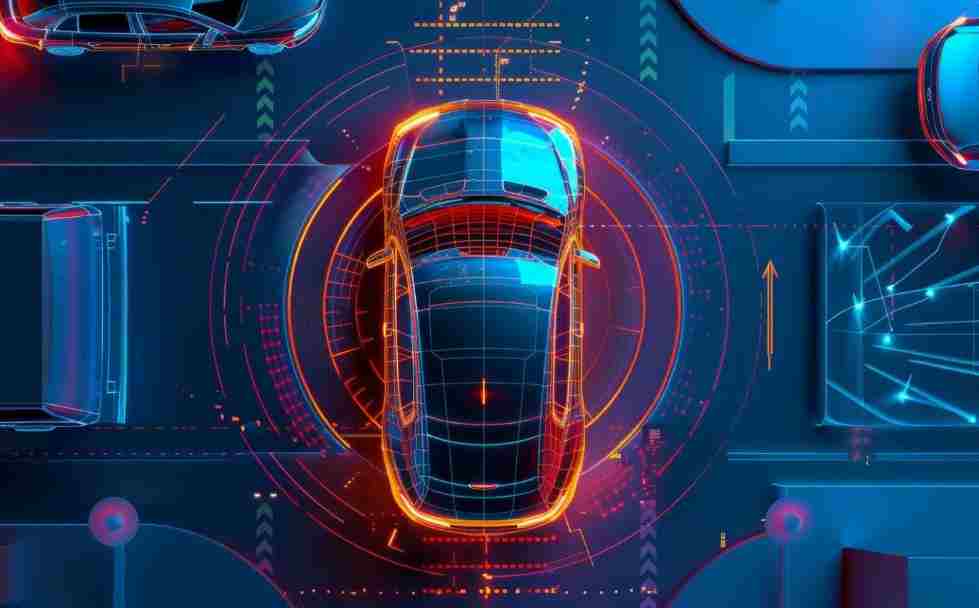
In 2025, the global automotive industry reached a pivotal moment: software is no longer an optional add-on, but a central pillar of vehicle performance, safety, and customer experience. Across Europe and North America, top automakers have unveiled major software updates for their 2025 model year vehicles—ranging from advanced driver assistance systems (ADAS) enhancements and new infotainment platforms to over-the-air (OTA) capabilities and AI-assisted interfaces. These updates are not just incremental improvements; they reflect a fundamental shift toward software-defined vehicles (SDVs), where the digital layer increasingly differentiates brands and shapes consumer expectations.
This article explores the most significant software updates announced for 2025, analyzes what they mean for drivers and the industry, and highlights the key trends that will define automotive software throughout the rest of this decade.
Why 2025 Is a Breakthrough Year for Automotive Software
For decades, automotive development focused primarily on mechanical refinement, emissions compliance, and hardware innovations such as electrification. But today, the balance has overwhelmingly shifted: vehicles are rolling data centers on wheels, with software controlling everything from navigation and infotainment to energy optimization and automated driving. There are several reasons why 2025 stands out:
- Software-Defined Vehicle Architecture — Automakers are transitioning from traditional distributed control units to centralized computing platforms that enable more efficient updates and modular software deployment.
- OTA Updates as Standard Expectation — Where once a vehicle owner had to visit a dealership for software fixes or feature improvements, 2025 models increasingly rely on OTA updates that push enhancements directly to vehicles remotely, just like smartphones.
- ADAS and Partial Autonomy Improvements — Regulators and consumers alike are demanding more capable driver assistance systems, and manufacturers are responding with software upgrades that improve lane-centering, adaptive cruise control, and hands-free capabilities on highways.
- Subscription and Revenue Models — Automakers are experimenting with feature subscription services, though with mixed reception among drivers. Subscription-based software monetization is one way OEMs seek continuous revenue beyond the initial vehicle sale.
Across Europe and North America, software updates are now central to how consumers perceive value from a car. Below, we dive into the most important announcements by brand.
Tesla: Supercharging Features and More Intelligent Driving
Tesla continues to define what many consumers expect from automotive software updates. For 2025 models, Tesla has expanded its software capabilities in several areas:
- Autopilot and Full Self-Driving (FSD): Tesla’s flagship driver assistance suite continues to receive iterative software upgrades, improving lane-recognition and city street navigation. These updates are designed to reduce the number of manual overrides needed and make hands-off highway driving smoother and more reliable.
- Energy Optimization: Tesla’s software now includes enhanced energy management algorithms that optimize battery use and thermal control, reportedly improving real-world range by a few percentage points without hardware changes.
- In-Car Apps and UI Enhancements: The central touchscreen receives UI refinements, better support for streaming apps, and more intuitive menus, improving everyday usability.
Tesla’s ability to update large portions of vehicle functionality without dealer visits remains one of its competitive advantages. However, the company’s aggressive rollout of autonomous features continues to spark debate among regulators and safety advocates in the U.S. and Europe.
Toyota and Lexus: Strengthening Reliability and Safety Software
Toyota—the world’s largest automaker by volume—has historically been more conservative about software compared to Silicon Valley-inspired brands. That is changing in 2025, with major software investments:
- Arene Software Platform: Toyota introduced its new Arene software architecture first in the revamped RAV4. This enables richer user interfaces, better voice assistance, and integrated safety systems powered by more responsive software.
- Toyota Safety Sense Enhancements: The updated Safety Sense suite brings improved sensor fusion and pedestrian detection capabilities. These updates are designed to reduce false positives while increasing real-world performance.
- Extended Lifecycle Strategy: Toyota plans to extend model life cycles to average nine years, emphasizing continuous software improvements to keep vehicles relevant and safe without major hardware changes. This approach mirrors how tech companies extend product value through software.
Toyota’s software strategy reflects its brand ethos: reliability and consistency. Rather than flashy announcements, Toyota’s updates aim for stability and incremental improvement in core functionality.
Ford: BlueCruise and Connected Vehicle Evolution
Ford’s 2025 software updates reflect a balanced focus on driver assistance, connectivity, and infotainment:
- BlueCruise 1.4 Enhancements: Ford’s hands-free highway driving system is updated with smoother speed modulation and improved lane centering. These corrections help reduce sudden disengagements and improve performance in low-visibility conditions.
- SYNC 4A and Infotainment: Ford’s updated infotainment system accelerates navigation, improves voice recognition accuracy, and offers broader app integration, enhancing the in-car experience for everyday users.
- Remote Connectivity and Telemetrics: New connected features include remote climate controls and vehicle diagnostics accessible via mobile app, enabling better oversight for fleet managers and personal drivers alike.
Ford’s emphasis on real-world usability and driver confidence—rather than pushing full autonomy—positions its software improvements as pragmatic and consumer-friendly.
General Motors (GM): Ultifi, New UI, and Own Software Ecosystem
GM’s software strategy is transforming how its vehicles interact with drivers and services:
- Ultifi Operating Platform: GM’s own software platform, Ultifi, powers a wide range of user updates, from voice-controlled interfaces to energy management for EVs.
- Moving Away from Apple CarPlay/Android Auto: GM announced plans to phase out Apple CarPlay and Android Auto in favor of its own integrated system powered by Android Automotive OS. This aims to provide a unified user experience but has drawn consumer criticism due to fears of reduced flexibility and increased subscription pressures.
- Super Cruise Improvements: GM continues to refine its Super Cruise hands-free system through software updates, using real-world driving data to boost reliability and performance.
While GM’s software integration seeks a seamless ecosystem, backlash from enthusiasts underscores the tension between OEM control and consumer expectations for device interoperability.
Hyundai, Kia, and Genesis: Building a Competitive Software Stack
The Hyundai Motor Group (including Hyundai, Kia, and premium brand Genesis) has embraced software innovation with vigor:
- Advanced Driver Assistance: New highway driving assist (HDA) systems improve semi-autonomous capabilities, smoother lane changes, and tighter adaptive cruise control performance.
- Enhanced Infotainment and Voice: Hyundai’s next-generation interfaces leverage AI voice assistance and simplified menus that reduce driver distraction.
- Android Automotive Integration Plans: Future models are slated to adopt Android Automotive OS more broadly, facilitating richer app ecosystems and smoother OTA updates.
Consumers have noted the increasing sophistication of these systems, though real-world performance varies by region, reflecting the challenges of balancing software ambition with deployment complexity.
Volkswagen Group: New MIB 4 System and Connectivity Focus
VW Group’s 2025 models feature a refreshed MIB 4 infotainment and connectivity platform:
- Faster UI and Navigation: The updated system reduces lag and improves route calculation accuracy, addressing a common frustration among European drivers.
- Over-the-Air Updates: VW continues expanding its OTA capability across ID series EVs, closing the gap with tech-centric competitors.
Despite progress, VW faces criticism from some customers who feel promised updates arrive slower than expected—a recurring theme in automotive software development.
Industry Trends Driving 2025 Software Updates
Beyond individual manufacturers, broad trends are reshaping the automotive software landscape:
1. Over-the-Air (OTA) Updates Become Norm
OTA technology is now a standard part of software delivery for almost every major brand. However, recent industry analysis has shown variability in update frequency: in some markets, the total number of OTA updates declined at points in 2025 due to regulatory approval processes and cost considerations.
OTA updates not only fix bugs but can enhance performance, refresh infotainment systems, and even improve energy management. Unlike traditional recalls—often costly and inconvenient—OTA reduces time and expense for manufacturers and consumers alike.
2. Software Drives Revenue Beyond Vehicle Sales
Many OEMs are exploring subscription models for premium driver assistance features or advanced navigation services. This mirrors trends in consumer tech where ongoing revenue replaces one-time purchases. However, such models have sparked consumer pushback, particularly in North America where buyers are sensitive to recurring fees.
3. AI and Voice Assistance Expansion
Artificial intelligence is becoming more integrated into automotive systems. Volvo’s planned integration of Google Gemini into its vehicles promises conversational interactions that understand context and assist with route planning and navigation.
These AI features aim to reduce driver workload and create more natural human-vehicle interaction, a topic of high interest among tech-savvy buyers.
4. Safety and Regulatory Oversight
Robust software in vehicles is now directly tied to safety outcomes. High-profile incidents such as software flaws that required recall and fixes in autonomous driving systems highlight the importance of rigorous testing and oversight.
Regulators in Europe and North America are increasingly focused on ensuring updates do not compromise safety and that autonomous and driver-assistance systems meet stringent validation requirements.
Consumer Experience: What Drivers Will Notice
From infotainment to assisted driving, these software updates change daily interactions in meaningful ways:
- Faster Navigation and Real-Time Traffic: Improved GPS maps and live traffic data enhance route planning and reduces commute stress.
- Enhanced Safety Alerts: Louder, clearer collision warnings and smoother brake assists make highways safer.
- Energy Management Gains: EV drivers may see incremental range improvements thanks to smarter battery algorithms.
- Less Dealer Dependency: OTA removes the need for frequent dealer visits, saving time and enhancing convenience.
For many drivers, these changes make cars feel more responsive, safer, and more in tune with lifestyle expectations.
Controversies and Challenges
The software revolution isn’t without pushback. Key consumer concerns include:
- Subscription Costs: Drivers resent paying recurring fees for features that seem like basic functionality.
- Privacy and Data Use: Connected vehicles collect vast amounts of data, prompting questions about how that data is used and protected.
- Software Reliability: Some updates have introduced bugs or reduced functionality in edge cases, underscoring the need for robust quality assurance.
These debates reflect broader tensions across the tech world, now playing out in the automotive arena.
The Road Ahead for Automotive Software
In 2025, automotive software updates are more than just incremental patches—they are defining how vehicles perform, interact, and evolve over time. From enhanced ADAS systems to AI-driven interfaces and OTA platforms, automakers are racing to deliver value to consumers through software innovation.
For European and North American drivers, these updates mean safer roads, smarter navigation, and a richer in-car experience. For the industry, software capability has become a central axis of competition—transforming vehicles into dynamic, updatable devices for the digital age.
As we look beyond 2025, expect even deeper integration of AI, cloud connectivity, and autonomous features that further blur the line between a car and a mobile smart device. The future of driving is not just about engines and batteries—it’s about bits and bytes, connectivity, and continuous improvement.





Leave a Reply