 Trusted Car Reviews, News & Buying Advice.
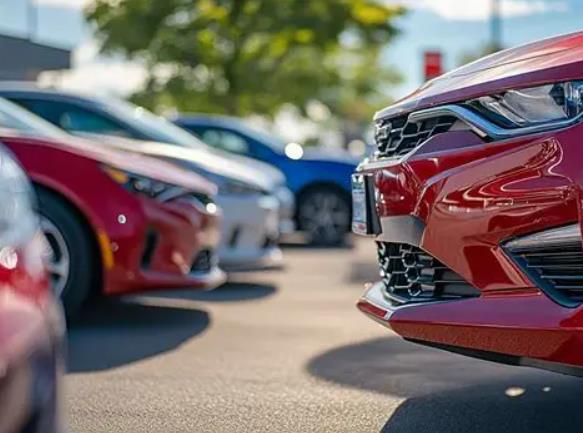
Buying a car is one of the biggest financial decisions most people make outside of purchasing a home. With so many choices available, one of the first and most important decisions is not which brand or model to buy, but whether to choose a new, used, or certified pre-owned (CPO) vehicle. Each option comes with its own advantages, risks, and financial implications, and the right choice depends on your budget, lifestyle, driving habits, and long-term goals.
In today’s automotive market, the lines between these three categories have become increasingly blurred. Used cars can be nearly as expensive as new ones in certain segments. Certified pre-owned vehicles often offer warranties and inspections that rival those of new cars. Meanwhile, new vehicles come loaded with advanced safety technology and efficiency improvements that didn’t exist just a few years ago.
This guide provides a deep, practical comparison of new vs. used vs. certified pre-owned vehicles, helping you understand not only the costs involved but also the long-term ownership experience. Whether you are a first-time buyer, upgrading your family car, or searching for the best value, this article will help you make a confident, informed decision.
Understanding the Three Categories
Before comparing the pros and cons, it’s important to clearly define what each type of vehicle actually means in the marketplace.
What Is a New Car?
A new car is a vehicle that has never been titled or registered to an owner other than the dealer. It typically has minimal mileage, usually under 100 miles, accumulated from factory testing and dealership transport. Buyers receive the full manufacturer’s warranty, the latest technology, and complete customization options depending on inventory and factory orders.
What Is a Used Car?
A used car is any vehicle that has had at least one previous owner and has been titled and registered. Used vehicles can range from almost-new models with a few thousand miles to high-mileage cars that are over a decade old. Used cars are sold by franchised dealers, independent dealers, and private sellers.
What Is a Certified Pre-Owned (CPO) Car?
A certified pre-owned vehicle is a used car that has been inspected, refurbished, and certified by the manufacturer or manufacturer-authorized dealer. These programs usually include extended warranties, roadside assistance, and additional benefits. CPO vehicles must meet strict age and mileage limits set by the automaker.
The Cost Factor: Purchase Price and Depreciation
For most buyers, cost is the primary deciding factor. However, the true cost of ownership goes far beyond the sticker price.
New Cars: Highest Price, Sharpest Depreciation
New vehicles come with the highest upfront cost. You’re paying for pristine condition, cutting-edge technology, and the full factory warranty. However, the biggest financial downside is depreciation.
On average:
- A new car loses 20–30% of its value in the first year
- After five years, many vehicles lose 50–60% of their original value
This means that if you buy a $40,000 new vehicle today, it could be worth only $30,000 or less within the first year—even if it’s in perfect condition.
Used Cars: Lower Prices, Slower Depreciation
Used vehicles offer significantly lower entry costs. Since the steepest depreciation typically happens in the first three years, buying a used car allows you to avoid the most dramatic loss of value.
Benefits include:
- Lower purchase price
- Lower insurance premiums
- Reduced sales tax in most regions
However, pricing can vary widely based on mileage, condition, service history, and market demand.
Certified Pre-Owned: Middle Ground on Price
CPO vehicles usually cost more than traditional used cars but less than brand-new vehicles. The added cost reflects the inspection process, reconditioning, and extended warranty coverage.
While depreciation is slower than with brand-new cars, CPO vehicles typically retain value better than standard used vehicles because of their certified status and lower risk factor for buyers.
Warranty Coverage and Reliability
One of the biggest differences between new, used, and CPO vehicles is how much protection you get after purchase.
New Cars: Full Manufacturer Warranty
New vehicles come with complete factory-backed warranties, typically including:
- Bumper-to-bumper warranty (3–5 years)
- Powertrain warranty (5–10 years in some markets)
- Roadside assistance
- Corrosion and emissions coverage
This level of protection offers peace of mind and predictable ownership costs, especially for buyers who plan to keep the car for several years.
Used Cars: Limited or No Warranty
Most used vehicles are sold “as-is”, particularly in private sales. Dealers may offer short-term warranties (30–90 days), but coverage is usually limited.
Buyers of used vehicles often rely on:
- Independent inspections
- Vehicle history reports
- Optional third-party extended warranties
While used cars cost less upfront, the lack of warranty can make long-term maintenance costs more unpredictable.
Certified Pre-Owned: Extended Manufacturer Coverage
CPO programs are designed to reduce uncertainty. Benefits often include:
- Comprehensive inspection (100–200 point checks)
- Manufacturer-backed extended warranty
- Roadside assistance
- Rental car reimbursement
- Vehicle history verification
This makes CPO an appealing option for buyers who want used-car savings with near-new protection.
Maintenance and Repair Costs
New Cars: Lowest Early Maintenance Costs
New vehicles typically require only routine maintenance—oil changes, tire rotations, and inspections—during the first few years. Major repairs are rare and usually covered by warranty.
However, replacement parts and dealer servicing can be expensive once the warranty expires.
Used Cars: Higher Uncertainty
Used cars may require:
- Brake replacements
- Suspension repair
- Timing belt changes
- Battery and electrical work
Maintenance costs increase as mileage rises. Buyers should budget for unexpected repairs, even if the vehicle has been well cared for.
Certified Pre-Owned: Reduced Risk
Because CPO vehicles are inspected and reconditioned before sale, they typically require fewer immediate repairs than ordinary used cars. The extended warranty also helps control unexpected expenses during the early ownership period.
Insurance Costs
Insurance premiums vary significantly between new, used, and CPO vehicles.
- New cars: Highest premiums due to higher vehicle value and repair costs
- Used cars: Lower premiums, especially for older vehicles
- CPO cars: Typically fall between new and used insurance rates
Additionally, lenders often require full coverage insurance on financed new and CPO vehicles, further increasing monthly costs.
Technology and Safety Features
Automotive technology evolves rapidly, especially in safety and driver assistance.
New Cars: Latest Safety and Infotainment
New vehicles often feature:
- Advanced driver assistance systems (ADAS)
- Adaptive cruise control
- Lane-keeping assist
- Automatic emergency braking
- Large touchscreen infotainment systems
- Over-the-air software updates
If cutting-edge technology and crash-prevention features are a top priority, a new car is often the best choice.
Used Cars: Technology Depends on Age
A five-year-old used car may lack many of today’s safety technologies. However, higher trim used vehicles may still offer premium features such as leather seats, premium audio, and navigation systems at a lower cost.
CPO Vehicles: Modern Features with Reduced Cost
Since most CPO programs limit age and mileage, these vehicles typically include modern safety systems and relatively current technology, making them a strong compromise between cost and functionality.
Financing and Interest Rates
Financing terms vary widely depending on the type of vehicle.
New Car Financing
Manufacturers and dealers often offer:
- Low or zero percent APR promotions
- Cashback incentives
- Extended loan terms
These incentives can significantly reduce the overall cost of borrowing.
Used Car Financing
Interest rates are typically higher for used vehicles because lenders see them as higher risk. Loan terms are often shorter, which can mean higher monthly payments despite a lower total loan amount.
Certified Pre-Owned Financing
CPO vehicles sometimes qualify for special manufacturer-backed financing programs similar to new cars. These rates are generally lower than standard used car loans but higher than the best new car offers.
Selection and Availability
New Cars: Factory Customization and Inventory Limits
New car buyers can:
- Choose colors, trims, and options
- Special-order vehicles
- Receive the latest model year updates
However, supply chain disruptions and chip shortages in recent years have sometimes limited availability and reduced negotiating power.
Used Cars: Massive Variety Across All Price Points
The used market is nearly endless in variety. Buyers can find:
- Discontinued models
- Unique trims
- Older reliable vehicles
- Budget-friendly transportation
However, finding the perfect combination of condition, price, and features may require patience.
CPO Vehicles: Narrower but Higher-Quality Selection
CPO inventory is more limited because vehicles must meet strict criteria. However, buyers benefit from higher-quality stock and more consistent vehicle condition.
Resale Value and Long-Term Ownership
New Cars
Buying new makes sense if you:
- Plan to keep the vehicle for many years
- Want predictable ownership costs
- Value the newest technology and reliability
The impact of depreciation becomes less significant if the car is kept for 8–12 years.
Used Cars
Used cars are ideal if you:
- Change vehicles frequently
- Want to minimize depreciation loss
- Are comfortable with independent maintenance
Resale value remains relatively stable once the steep early depreciation has already occurred.
Certified Pre-Owned
CPO vehicles strike a balance for owners who:
- Want long-term reliability
- Plan to resell in 4–6 years
- Prefer lower depreciation than new vehicles
Psychological and Lifestyle Factors
Car-buying isn’t purely financial. Emotional and lifestyle considerations often play a role.
The Appeal of New Cars
- Pride of first ownership
- No wear-and-tear from previous drivers
- Full customization
- Higher perceived reliability
For many buyers, the peace of mind and personal satisfaction justify the premium cost.
The Practicality of Used Cars
- Budget-friendly transportation
- Ideal for young drivers or secondary vehicles
- Lower financial risk in case of accidents
- Easier to upgrade without large losses
Used vehicles are often chosen for practical, utilitarian reasons.
The Confidence Boost of CPO
- Reduced fear of hidden problems
- Manufacturer backing
- Perceived “smart buyer” decision
CPO vehicles attract buyers who want reassurance but still value savings.
Environmental Impact
Environmental concerns increasingly influence vehicle purchases.
New Vehicles
New cars typically have:
- Lower emissions
- Better fuel efficiency
- Compliance with the latest environmental regulations
However, manufacturing a new vehicle has a significant carbon footprint.
Used and CPO Vehicles
Buying used or CPO:
- Extends the life cycle of existing vehicles
- Reduces demand for new manufacturing
- Can be a more environmentally responsible choice in some cases
The overall impact depends on fuel efficiency, vehicle type, and driving habits.
Which Option Is Best for Different Buyers?
There is no universal “best” choice. The right option depends on individual priorities.
New Cars Are Best For:
- Buyers who prioritize the latest safety and tech
- Long-term owners who plan to keep their vehicle for 8+ years
- Those who want full warranty protection
- Drivers who value customization
Used Cars Are Best For:
- Budget-conscious buyers
- Students and first-time drivers
- Buyers paying in cash
- Short-term ownership plans
- Secondary or backup vehicles
Certified Pre-Owned Cars Are Best For:
- Buyers seeking balance between cost and protection
- Those who want warranty coverage without paying new-car prices
- Families seeking reliable transportation
- Professionals who need dependable daily vehicles
Hidden Costs Many Buyers Overlook
Regardless of category, additional ownership costs can surprise buyers.
These include:
- Sales tax and registration fees
- Dealer documentation fees
- Extended warranty costs
- Maintenance and wear items
- Insurance deductibles
- Fuel expenses
- Parking and storage
Understanding the total cost of ownership (TCO) is essential when comparing options.
Negotiation Potential
Negotiation power differs significantly between new, used, and CPO vehicles.
- New cars: Pricing is influenced by incentives, dealer inventory, and manufacturer promotions. Margins can still allow for negotiation, especially at model year-end.
- Used cars: Greater variability allows for negotiation based on condition, history, and market demand.
- CPO vehicles: Less negotiation room due to certification costs and fixed pricing models.
Researching market values using pricing guides and local listings provides critical leverage.
Electric and Hybrid Vehicles in New, Used, and CPO Markets
With the rapid growth of electric and hybrid vehicles, buyers now face additional considerations.
New EVs and Hybrids
- Full battery warranty
- Latest charging technology
- Maximum government incentives
- Highest upfront pricing
Used EVs
- Lower purchase prices
- Potential battery degradation
- Limited charging compatibility in older models
CPO EVs
- Manufacturer-backed battery inspections
- Extended warranties
- Reduced risk compared to standard used EVs
As electric adoption increases, CPO electric vehicles may become one of the strongest value segments in the coming years.
Regional Considerations: US vs. Europe
Although the core decision factors are the same, regional differences can influence the choice.
In the United States, larger vehicles, longer commutes, and wider financing availability make new and CPO purchases more common.
In Europe, where vehicle taxes, emissions regulations, and fuel costs are higher, the used and CPO markets are particularly strong, especially for compact cars and diesel or hybrid models.
Urban buyers often favor used or CPO vehicles to reduce the financial impact of parking damage and congestion-related wear.
How to Decide: A Practical Step-by-Step Approach
To choose the right category, consider the following steps:
- Define your total budget, including taxes and insurance
- Estimate your annual driving mileage
- Decide how long you plan to keep the vehicle
- Determine how important warranty protection is to you
- List your must-have features
- Compare total ownership costs, not just monthly payments
- Get insurance quotes for each option
- Have any used or CPO vehicle independently inspected
This structured approach prevents impulsive buying and helps align your choice with your financial reality.
There Is No Single “Best” Choice
The debate between new vs. used vs. certified pre-owned has no universal winner. Each option serves different types of buyers with different priorities.
- New cars deliver peace of mind, full warranty, and the latest technology at the highest price.
- Used cars offer the lowest upfront cost and strongest protection against depreciation but carry higher risk.
- Certified pre-owned vehicles provide a powerful middle ground with inspected quality and extended warranties at a reduced price compared to new.
The smartest choice is not about following trends—it’s about matching the vehicle to your financial situation, driving needs, and long-term plans.
By understanding the real-world trade-offs between these three options, you can approach your next vehicle purchase with clarity and confidence, avoiding common pitfalls while maximizing value and satisfaction.





Leave a Reply