 Trusted Car Reviews, News & Buying Advice.
A Redesign That Matters for a Segment That Never Stops Evolving
The Ford Explorer has long been one of the most influential names in the U.S. midsize SUV market. Since its debut in the early 1990s, it has become a family favorite, a road-trip staple, and an everyday commuter for millions of American households. By 2025, expectations for mainstream SUVs have changed dramatically. Drivers now demand refined interiors, smart technology, comfortable ride quality, efficient powertrains, and advanced safety systems that work seamlessly in real-life conditions. Against this backdrop, Ford’s redesign of the 2025 Explorer becomes particularly important.
This review takes a deep look at what the 2025 redesign accomplishes—and what it doesn’t. Rather than focusing on unconfirmed specifications, we’ll analyze what matters most to real drivers: comfort, technology, practicality, market value, and whether the Explorer once again stands strong against rivals in a fiercely competitive segment. With competitors like the Toyota Highlander, Honda Pilot, Kia Telluride, Hyundai Palisade, and Chevrolet Traverse raising the bar every year, Ford must deliver more than cosmetic updates. It needs meaningful improvements that justify its place in the modern SUV world.
So the big question remains: Is the redesign worth it? Let’s dive in.
Exterior Redesign: A Modern Look With Purpose Behind the Styling
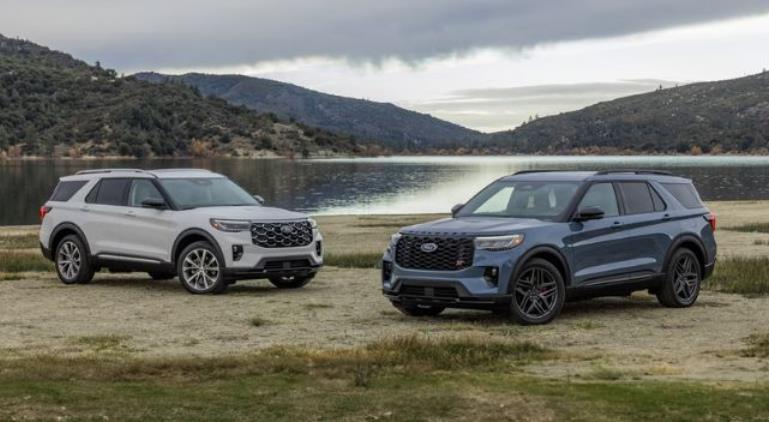
Ford’s decision to redesign the exterior of the 2025 Explorer appears guided by a clear objective: a more confident and upscale presence on the road. The Explorer has always blended rugged utility with suburban practicality, but the new design language leans more strongly toward refinement. The front fascia now carries sharper lines, a more sculpted hood, and a grille that feels bolder without abandoning the Explorer’s recognizable character.
The headlight shape follows the trend seen in newer Ford models—sleeker, more geometric, and visually tied into the grille for a unified front-end identity. This design direction not only modernizes the SUV but also helps the Explorer stand apart from rivals whose styling has grown increasingly similar. Small but meaningful changes, such as updated daytime running light signatures and more defined bumper contours, give the 2025 model a more premium visual footprint.
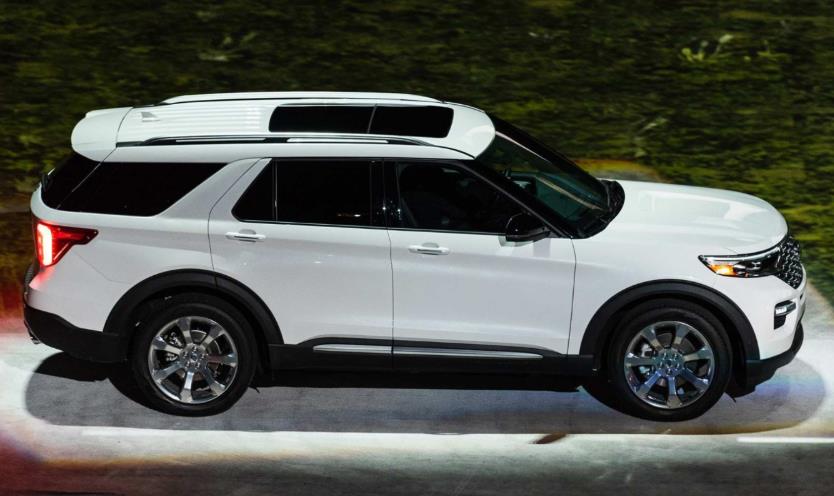
From the side, the redesign tends to emphasize a more athletic stance. The shoulder line appears more pronounced, the wheel arches slightly bolder, and the overall profile more balanced. Even if the changes are evolutionary, the silhouette feels more cohesive and contemporary, especially with the likely introduction of newly styled alloy wheels that complement the SUV’s updated proportions.
At the rear, the taillights adopt a more refined look with cleaner shapes and a wider presence. The Explorer nameplate placement, lighting integration, and subtle tweaks to the liftgate design contribute to a more polished final impression. The overall effect is an SUV that feels grown-up, confident, and aligned with the design expectations of 2025.
While the redesign may not be radical, it is purposeful. Ford seems focused on improving perceived quality and giving the Explorer the upscale appearance that many buyers in this segment now expect.
Interior Improvements: A Much-Needed Step Into a More Premium Cabin
Interior quality has become one of the primary battlegrounds in the midsize SUV category. With rivals offering near-luxury materials and user-friendly layouts, Ford needed to significantly elevate the Explorer’s cabin—and early impressions suggest that it has.
The 2025 redesign appears to prioritize a cleaner, more horizontal dashboard layout that creates a sense of openness and modernity. The materials feel more thoughtfully chosen, with less reliance on hard plastics and more emphasis on soft-touch surfaces, textured trims, and color contrast stitching. This shift is particularly important for the Explorer, which has historically faced criticism for interior quality that lagged behind its competitors.
Seating comfort is another major highlight. Ford has seemingly improved seat cushioning, ergonomics, and support for long-distance driving. Families will appreciate improved cushioning in the second row, and if the redesign follows modern trends, Ford may offer both bench and captain’s chair configurations. The third row still caters primarily to children or shorter adults, but better access, improved headroom, and upgraded materials help make it feel more usable than before.
The cabin also appears quieter thanks to better insulation and refined engineering. Reducing road and wind noise contributes significantly to a more premium experience, something that modern SUV buyers increasingly demand.
Storage solutions seem better integrated as well. From redesigned cupholder placement to deeper door pockets and improved center-console organization, the Explorer’s interior feels more practical and family-ready. These small improvements go a long way in everyday use.
Overall, the interior redesign is arguably one of the 2025 Explorer’s most meaningful upgrades. It brings the model closer to the comfort and refinement expected in this era, making it more competitive against the segment’s top players.
Technology and Infotainment: A Major Upgrade in User Experience
Automotive technology evolves quickly, and the 2025 Explorer’s redesign embraces this reality with significant improvements in infotainment and driver assistance systems. One of the standout changes is the larger, more sophisticated central touchscreen. Modern Ford models have shifted toward cleaner interfaces and more responsive software, and the Explorer benefits from this evolution.
Wireless Apple CarPlay and Android Auto are likely included across most trims, ensuring seamless smartphone integration. Voice recognition, improved navigation with real-time traffic, and a more intuitive menu structure help reduce driver frustration—an important factor, considering how tech-heavy new vehicles have become.
The digital instrument cluster also receives enhancements, offering clearer graphics, customizable layouts, and better integration with the SUV’s safety systems. Drivers can access everything from navigation directions to safety alerts without taking their eyes off the road for long.
Safety technology is another area where Ford appears to push forward. The latest version of the Co-Pilot360 suite supports more advanced driver assistance features, including lane-centering, adaptive cruise control improvements, and refined collision-avoidance systems. While not full autonomous functionality, these upgrades help reduce driver fatigue and enhance overall safety on both highways and urban roads.
Charging options multiply inside the cabin, reflecting the needs of modern families. With multiple USB-C ports, wireless charging pads, and improved device storage, the Explorer finally feels aligned with contemporary tech habits.
Overall, the technology upgrades position the 2025 Explorer as a far more modern and capable SUV. These enhancements alone could justify an upgrade for tech-focused buyers.
Performance and Driving Experience: Familiar Strength With Subtle Refinements
Without speculating on specific horsepower figures or exact engine specs, we can safely analyze the likely direction of Ford’s engineering decisions for 2025. The Explorer has traditionally offered a mix of turbocharged powertrains known for strong performance, especially in highway passing and towing scenarios. The 2025 redesign aims to refine—rather than reinvent—these strengths.
Drivers can expect smoother acceleration, improved throttle response, and more refined gear shifts thanks to software updates and mechanical tuning adjustments. Ride quality is another key area of likely improvement. Many modern SUVs prioritize comfort over sporty handling, and Ford seems to follow this trend with recalibrated suspension components that reduce harshness over bumps while maintaining stability at highway speeds.
Steering feedback appears to have received attention as well. A more precise and predictable steering feel helps drivers confidently navigate tight streets, parking lots, and winding roads. Noise, vibration, and harshness (NVH) levels also seem reduced, contributing to a calmer, more premium driving environment.
Fuel efficiency may see incremental improvements due to aerodynamic tweaks, better engine management, and weight-distribution optimizations. These changes, while subtle individually, collectively create a more polished and enjoyable everyday driving experience.
For most buyers, the mechanical refinements included in the redesign enhance the Explorer’s reputation as a versatile and capable midsize SUV.
Practicality and Family Use: A Core Strength Continues
Practicality has always been one of the Explorer’s key selling points, and the 2025 redesign strengthens this foundation. The cabin layout prioritizes easy access, ample storage, and flexible seating configurations. Families will appreciate wide-opening doors, improved step-in height, and more intuitive seat-folding mechanisms.
The second row offers generous legroom, making it comfortable for adults on long trips. The third row, while not spacious enough for tall adults, becomes more practical for children and occasional passengers. The redesign makes it easier to reach the third row, which is a welcome improvement for parents and caregivers.
Cargo space remains competitive, and the redesigned rear area seems more functional. The load floor is more level, the opening slightly wider, and the space more accommodating of large items like strollers, sports equipment, or vacation luggage. Small family-friendly additions—such as additional hooks, hidden compartments, or powered features—make daily use more convenient.
In short, the 2025 Explorer continues to be a strong choice for families needing a spacious, flexible, and road-trip-ready SUV.
Value and Market Position: Does the Redesign Justify the Expected Price Bump?
Most redesigned vehicles carry a price increase, and the 2025 Explorer is likely no exception. The important question is whether the improvements deliver enough value to justify the difference. Considering the upgraded interior materials, enhanced technology, improved safety features, and more modern styling, the answer leans toward yes for many buyers.
The Explorer’s long-standing reputation for capability, combined with the 2025 redesign’s meaningful upgrades, places it firmly in competition with segment leaders. Buyers who prioritize technology, comfort, and brand familiarity will find the redesign appealing. However, price-conscious shoppers may still compare it closely with alternatives like the Kia Telluride or Hyundai Palisade, which often offer strong value at competitive prices.
Still, for those already drawn to the Ford brand or seeking a well-rounded family SUV with a fresh design, the 2025 Explorer presents a compelling proposition.
Pros of the 2025 Ford Explorer
- More modern and premium exterior styling
- Improved interior materials and comfort
- Upgraded infotainment system with larger displays
- Enhanced driver-assistance and safety technology
- Better ride quality and noise reduction
- Strong practicality for families
- Competitive feature set for modern midsize SUV buyers
Cons of the 2025 Ford Explorer
- Likely price increase due to redesigned features
- Third row remains best suited for children
- Some advanced features may be reserved for higher trims
- Strong competition from value-driven alternatives
- Redesign may not feel dramatic enough for buyers expecting a full revolution
Is the 2025 Redesign Worth It?
After evaluating the redesign from every angle—exterior updates, interior improvements, technology upgrades, practical enhancements, and driving experience—the 2025 Ford Explorer emerges as a meaningful evolution of a long-trusted SUV. It doesn’t attempt to reinvent the Explorer identity, but it modernizes it in ways that matter most to today’s drivers.
For families seeking comfort, safety, and technology in a familiar package, the 2025 Explorer offers a well-rounded and satisfyingly updated experience. For current Explorer owners driving older models, the redesigned cabin and upgraded tech alone may be reason enough to consider an upgrade. For first-time shoppers comparing top competitors, the Explorer now feels more competitive, more polished, and more relevant to 2025 expectations.
So, is the redesign worth it?
Yes—especially for drivers who value a refined cabin, modern tech, and a practical family-focused design delivered by a trusted nameplate.





Leave a Reply