 Trusted Car Reviews, News & Buying Advice.
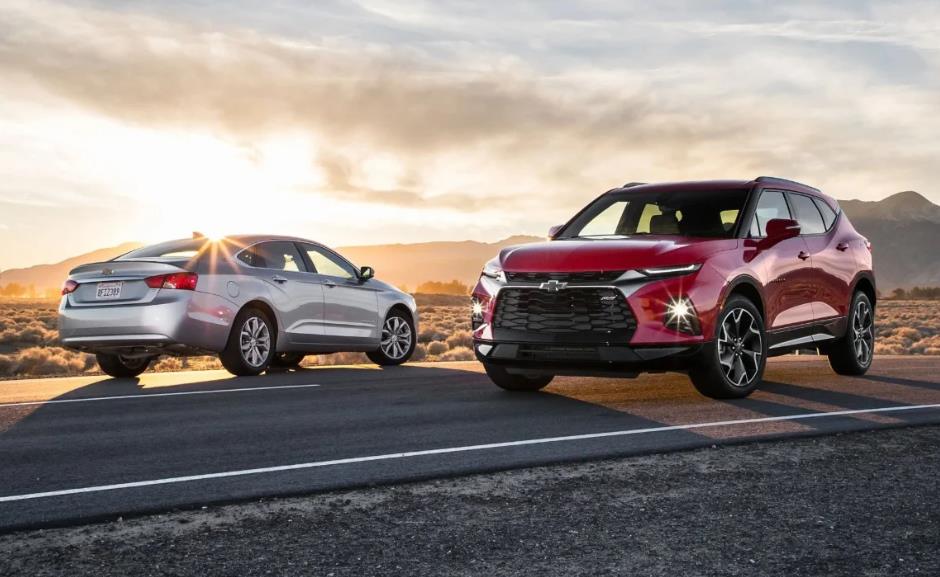
The landscape of personal mobility is undergoing a profound transformation. Traditional car ownership is increasingly being challenged by flexible, technology-driven solutions that prioritize efficiency, sustainability, and convenience. In cities across Europe and North America, the concept of car sharing has evolved from a niche alternative into a mainstream transportation model, reflecting broader shifts in consumer behavior, urban planning, and technological innovation. Today’s urban dwellers, influenced by environmental awareness, rising vehicle costs, and the growing appeal of seamless digital experiences, are rethinking how they access mobility and integrate it into daily life.
Car sharing platforms are no longer just about short-term rentals or occasional trips. Modern services combine electric vehicles, subscription-based access, and integration with public transportation networks, providing users with a versatile ecosystem of mobility options. Leading providers are leveraging sophisticated mobile apps, AI-driven fleet management, and predictive maintenance to ensure vehicles are available when and where they are needed. This approach not only enhances user experience but also reduces idle vehicle time, lowers operational costs, and minimizes urban congestion.
The shift toward shared mobility is reinforced by environmental considerations. With stricter emission regulations and growing awareness of climate change, cities are incentivizing low-emission transportation models. Electric car-sharing fleets are becoming standard, offering an eco-friendly alternative to privately owned vehicles. By reducing the total number of cars on the road, these services contribute to cleaner air, more efficient use of parking space, and a significant decrease in carbon footprint. Moreover, integrating electric vehicles into car-sharing fleets accelerates the adoption of renewable energy technologies and infrastructure, such as public charging stations and smart grid connections.
Digitalization is a central driver of the car-sharing evolution. Advanced apps enable users to locate, reserve, unlock, and return vehicles with unprecedented convenience. Some platforms incorporate AI to recommend optimal routes, anticipate peak demand, and even adjust pricing dynamically to maximize efficiency. Integration with urban mobility hubs and public transit systems further enhances the user experience, allowing seamless transitions between walking, cycling, shared rides, and public transport. This multimodal approach represents a departure from the single-ownership mindset and positions mobility as a service rather than a static asset.
Consumer behavior is also adapting to these changes. Younger generations, particularly millennials and Gen Z, prioritize experiences over ownership and show a strong preference for flexible transportation options. Urban residents increasingly view vehicle ownership as an expensive and inconvenient commitment. Subscriptions and short-term rentals provide the freedom to access vehicles on demand without the responsibilities of maintenance, insurance, and depreciation. As a result, traditional automakers are investing in shared mobility ventures and partnerships, recognizing that future revenue streams will come not only from selling vehicles but also from offering access, software, and mobility services.
Autonomous driving technology promises to further revolutionize shared mobility. Self-driving fleets could operate continuously, reducing downtime, increasing utilization, and further decreasing the need for personal vehicle ownership. The combination of electrification, autonomy, and connectivity has the potential to reshape urban landscapes, reduce congestion, and create safer road environments. Cities may no longer require extensive parking infrastructure, freeing valuable space for pedestrian zones, green areas, and mixed-use development.
Economic and societal factors also play a significant role in shaping future mobility trends. Urbanization, rising fuel costs, and evolving regulatory frameworks are driving cities to reconsider transportation models. Congestion pricing, low-emission zones, and incentives for shared or electric vehicles encourage commuters to adopt more sustainable modes of travel. Meanwhile, businesses are exploring fleet-sharing programs for employees, optimizing logistics, and lowering operational costs while reducing environmental impact. This convergence of economic, technological, and social trends is creating a fertile environment for innovation in urban mobility.
The convergence of technology, sustainability, and evolving consumer expectations is redefining how people move within cities. Car sharing is no longer a supplementary service but a central component of future mobility ecosystems. By leveraging electric vehicles, autonomous technology, AI-driven operations, and multimodal integration, shared mobility services offer a compelling alternative to personal vehicle ownership. They provide cost-effective, environmentally responsible, and highly flexible transportation options that align with the lifestyles of modern urban populations. As cities continue to evolve and mobility demands become more complex, the trajectory of shared transportation points toward an era in which access, rather than ownership, defines how we navigate the urban environment.
Ultimately, the future of mobility is not limited to cars alone. It encompasses interconnected networks of vehicles, public transport, micro-mobility solutions, and digital platforms that together create a seamless, user-centered travel experience. Stakeholders—from city planners to automotive manufacturers and technology developers—must collaborate to ensure infrastructure, policy, and innovation converge to support this vision. The transformation of mobility is ongoing, and those who embrace the shift toward shared, sustainable, and technologically integrated transportation will define the next generation of urban travel.



Leave a Reply