 Trusted Car Reviews, News & Buying Advice.
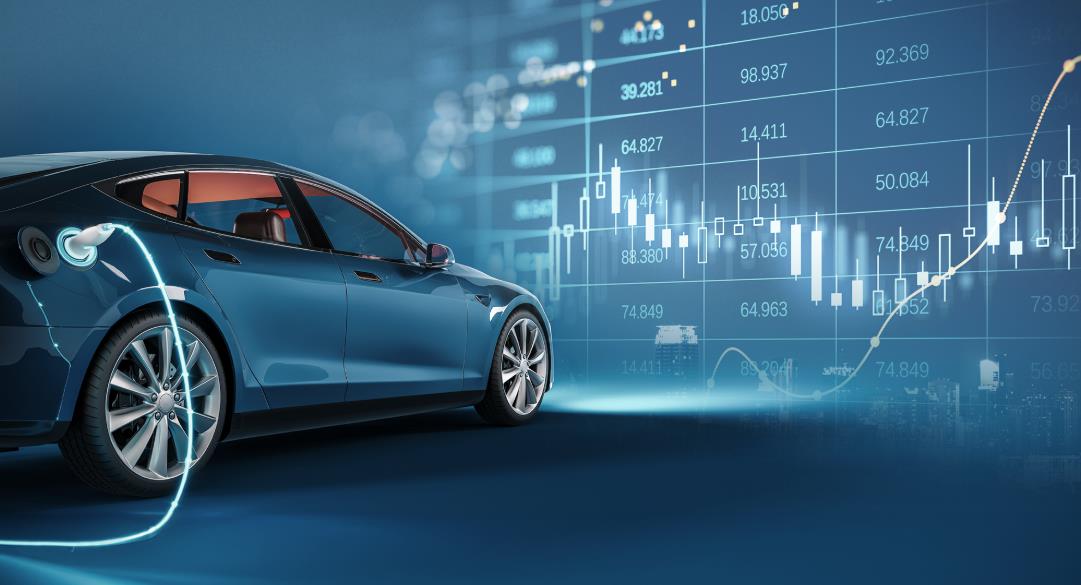
The global automotive landscape is undergoing one of the most profound transformations in decades, driven largely by the rapid adoption of electric vehicles (EVs) and plug-in hybrids. Governments across Europe and North America are increasingly shaping this evolution through incentive programs designed to accelerate the transition to cleaner transportation. However, as these programs evolve, potential buyers must stay informed to make decisions that maximize value while aligning with personal mobility needs.
In recent years, both the United States and European countries have adjusted their EV incentive policies to reflect changes in technology, supply chains, and environmental goals. In the U.S., federal tax credits previously offering up to $7,500 for qualified EVs have undergone significant revision. The Inflation Reduction Act (IRA) introduced new income and vehicle price thresholds, while also emphasizing domestic battery production and sourcing of critical minerals. As a result, certain models may now qualify for full credit, partial credit, or no credit at all, depending on manufacturing origin and buyer eligibility. Prospective EV buyers must navigate these criteria carefully, as eligibility can directly affect the net purchase price.
Europe presents a similarly complex but regionally nuanced landscape. Countries like Germany, France, and the Netherlands maintain robust purchase subsidies, often complemented by local incentives such as municipal grants or tax reductions on vehicle registration. Germany, for instance, combines federal and state-level bonuses, enabling EV buyers to receive thousands of euros in total incentives. Meanwhile, nations like Norway continue to offer generous exemptions from value-added tax (VAT) and road tolls, positioning the country as a global leader in EV adoption. Buyers must not only consider national incentives but also assess regional policies to capture the full financial benefit of their purchase.
Beyond direct purchase incentives, many governments have expanded support for EV infrastructure. Subsidies for home charging stations, rebates for workplace chargers, and investment in public fast-charging networks are increasingly common. These policies address one of the primary concerns among prospective EV owners: range anxiety and charging convenience. In North America, for example, the Federal Alternative Fuel Infrastructure Tax Credit provides a partial reimbursement for installing residential EV chargers, while private utilities often offer additional rebates. Similarly, European programs are increasingly focused on enhancing the density and accessibility of public charging networks, reflecting a holistic approach to EV adoption.
For potential buyers, the decision to purchase an EV should balance incentives with long-term total cost of ownership. While subsidies and tax credits reduce upfront costs, factors such as battery longevity, maintenance, insurance, and residual resale value must be considered. Modern EVs benefit from fewer moving parts than internal combustion engines, translating into lower routine maintenance costs. However, potential battery replacement or degradation can impact long-term financial calculations. Evaluating vehicle range in relation to daily commuting patterns, climate considerations, and access to reliable charging infrastructure is equally important.
An additional factor to consider is model eligibility relative to incentive policies. As governments tighten environmental standards and refine incentive criteria, some high-performance or luxury EVs may no longer qualify for subsidies, despite competitive features or brand reputation. Buyers should also monitor supply chain trends, as domestic battery sourcing requirements may influence credit eligibility. Being proactive and verifying model-specific incentives can prevent surprises during the purchase process.
Financing options and manufacturer programs are evolving alongside public incentives. Lease programs, for instance, may provide strategic advantages for buyers who wish to minimize upfront costs while remaining flexible in rapidly shifting technology markets. Some manufacturers bundle charging solutions, software updates, and maintenance packages, enhancing overall value. Comparing lease versus purchase scenarios under current incentive frameworks allows consumers to optimize financial outcomes while staying aligned with lifestyle requirements.
Consumer awareness of policy expiration dates and program caps is critical. Many incentives are available only until allocated budgets are exhausted, and some programs phase out as EV adoption reaches specific thresholds. Tracking these timelines can maximize benefits and avoid missed opportunities. Online resources, manufacturer communications, and government portals provide up-to-date information to assist in planning a purchase. Buyers should also consider secondary benefits, such as preferential access to low-emission zones, reduced congestion charges, and potential insurance discounts for electric vehicles.
In conclusion, the EV market is rapidly maturing, and public incentives remain a powerful tool for reducing financial barriers to adoption. Understanding the nuanced landscape of subsidies, tax credits, infrastructure support, and manufacturer programs is essential for making informed decisions. Prospective buyers in Europe and North America should evaluate eligibility criteria, regional variations, long-term cost considerations, and vehicle-specific attributes before committing. By approaching the process strategically, consumers can not only take advantage of current incentives but also position themselves to benefit from a rapidly evolving, sustainable automotive future.



Leave a Reply