 Trusted Car Reviews, News & Buying Advice.
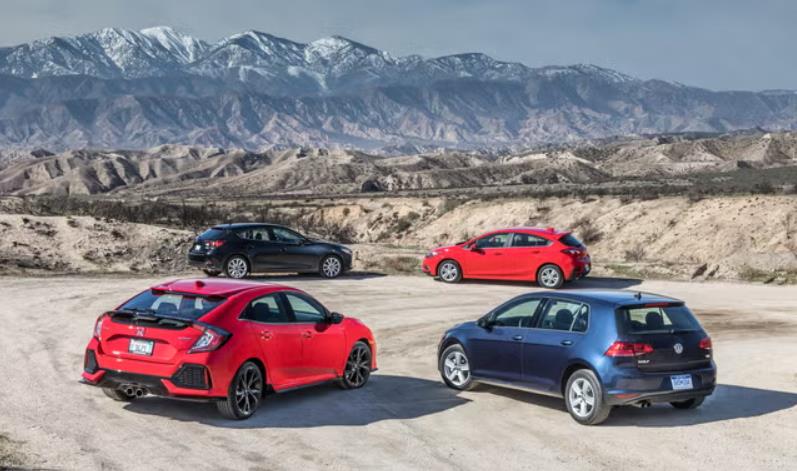
Compact hatchbacks have long held a unique position in the automotive world, offering a blend of practicality, efficiency, and urban agility. In 2026, these vehicles continue to appeal to city dwellers, young professionals, and small families who seek a versatile car that is easy to maneuver, cost-effective to run, and surprisingly fun to drive. But beyond the brochures and spec sheets, what is it really like to live with a compact hatchback day-to-day? This article dives into the real-world experience of owning and using a modern compact hatchback, highlighting both the advantages and limitations.
Practicality in Everyday Use
One of the most compelling reasons to choose a compact hatchback is practicality. The hatchback design provides a flexible cargo area that far exceeds what a traditional sedan offers. Foldable rear seats allow for transporting bulky items such as bicycles, small furniture, or large shopping hauls with relative ease. In urban settings, compact hatchbacks excel thanks to their small footprint, making parallel parking and navigating tight streets less stressful.
Modern hatchbacks often come with clever storage solutions, including underfloor compartments, door bins, and hidden cubbies that maximize usable space. Many 2026 models also offer tech-forward features such as modular cargo trays and adjustable luggage floors, making them more versatile than ever.
Driving Experience and Performance
Despite their modest size, today’s compact hatchbacks deliver surprisingly engaging driving experiences. Engines are often turbocharged small-displacement units that balance fuel efficiency with spirited acceleration. Hybrid and plug-in hybrid options have become increasingly common, giving drivers smooth power delivery while reducing urban fuel consumption.
Handling is another strong suit. Compact hatchbacks typically feature responsive steering, low body roll, and nimble maneuverability, which makes them enjoyable for daily commuting and weekend drives alike. While they are not sports cars, many models offer sport-tuned variants that provide sharper suspension and more direct steering, appealing to enthusiasts who want fun without the price tag or running costs of high-performance vehicles.
Fuel Efficiency and Sustainability
Efficiency is a hallmark of compact hatchbacks. With rising fuel prices and increasing environmental awareness, many drivers prioritize low operating costs. Gasoline-powered hatchbacks consistently deliver impressive miles-per-gallon figures, while hybrid versions take efficiency even further, often exceeding 50 MPG in combined city and highway driving. In Europe and the U.S., this translates to lower fuel bills and reduced carbon footprint, aligning with growing trends toward sustainable mobility.
Comfort and Interior Quality
While compact hatchbacks are small, modern models are surprisingly comfortable. Front seats usually provide ample support for longer trips, and interior materials have seen notable upgrades, even in base trims. Infotainment systems are typically touchscreen-based with smartphone integration through Apple CarPlay and Android Auto. Some higher-end trims feature premium audio systems, ambient lighting, and semi-autonomous driving aids, further enhancing the overall experience.
Rear-seat comfort remains the main limitation. Taller passengers may feel cramped on long journeys due to limited legroom and headroom. However, for short commutes or city driving, the rear space is adequate for two adults or children.
Technology and Safety
Safety and convenience technology has become standard in 2026 compact hatchbacks. Automatic emergency braking, lane-keeping assist, adaptive cruise control, and blind-spot monitoring are commonly available even on entry-level trims. Connectivity features, including wireless charging, integrated navigation, and voice commands, enhance usability for daily drivers. Some hatchbacks also offer semi-autonomous parking assistance, a boon for urban environments.
Pros of Compact Hatchbacks
- Excellent maneuverability and ease of parking
- Flexible cargo space with foldable rear seats
- Strong fuel efficiency and environmentally friendly options
- Modern tech and safety features
- Relatively low purchase and maintenance costs
Cons of Compact Hatchbacks
- Limited rear-seat space for taller passengers
- Smaller engines may feel underpowered under heavy load or highway overtaking
- Less road presence and ride comfort compared to larger vehicles
- Cargo space, while versatile, is smaller than that of compact SUVs or wagons
Ideal Users for Compact Hatchbacks
Compact hatchbacks are ideal for city commuters, small families, and first-time car buyers. They also appeal to drivers who want a combination of style, technology, and efficiency without sacrificing the practicality of a small cargo area. Enthusiasts looking for a fun-to-drive car can explore sportier variants, which balance nimble handling with everyday usability.
Modern compact hatchbacks offer a compelling package in 2026. They are versatile, efficient, technologically advanced, and surprisingly engaging to drive. While not perfect for everyone—particularly those who frequently transport tall passengers or large cargo—they remain an excellent choice for urban and suburban drivers who value practicality and affordability without compromising on comfort or style. As automakers continue to innovate in hybrid powertrains, interior flexibility, and driver-assist technologies, compact hatchbacks are likely to maintain their relevance and appeal in the automotive landscape for years to come.





Leave a Reply