 Trusted Car Reviews, News & Buying Advice.
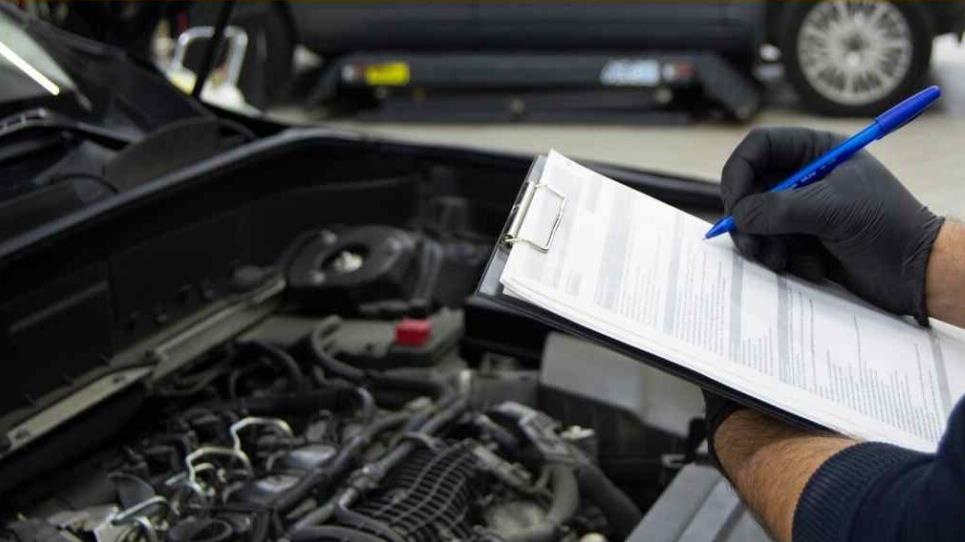
Maintaining the longevity of your vehicle’s engine and transmission is not only a matter of saving money on repairs but also of ensuring optimal performance, safety, and reliability on the road. Modern engines and transmissions are highly sophisticated, incorporating advanced materials, electronics, and lubrication systems. However, even the most advanced machinery is susceptible to wear and tear if neglected. Understanding how to care for these critical components can significantly extend their service life and enhance your overall driving experience.
The foundation of engine longevity lies in proper lubrication. Engine oil plays a critical role in reducing friction between moving parts, preventing overheating, and keeping the internal components clean. Using the manufacturer-recommended oil grade and changing it at the recommended intervals is essential. Synthetic oils, in particular, offer superior stability under extreme temperatures and longer protection periods compared to conventional oils. Regularly replacing the oil filter ensures that contaminants, sludge, and metal particles do not circulate through the engine, which can cause accelerated wear.
Cooling is equally important. Engines operate most efficiently within a specific temperature range. An overheating engine can lead to warped components, gasket failures, and severe mechanical damage. Regularly checking the coolant level, condition, and ensuring the radiator and cooling fans are functioning properly prevents overheating. For vehicles equipped with turbocharged engines, which generate higher heat, it is crucial to monitor coolant and oil temperatures closely, as these engines are more susceptible to thermal stress.
Air intake and fuel quality also play a significant role in engine longevity. A clean air filter ensures that the engine receives dust-free air, reducing abrasive wear on cylinder walls and piston rings. Using high-quality fuel helps minimize deposits in the fuel injectors and combustion chamber. Modern engines with direct injection systems are particularly sensitive to fuel cleanliness; low-quality fuel can lead to carbon buildup, reducing efficiency and increasing the risk of engine knock.
The transmission, whether automatic or manual, requires equally diligent maintenance. Transmission fluid acts as both a lubricant and a hydraulic medium, allowing smooth gear shifts and preventing overheating. Regular fluid changes, along with the replacement of filters where applicable, prevent wear on gears and clutches. For automatic transmissions, it is important to use the manufacturer-specified fluid type, as using the wrong fluid can cause premature wear or even catastrophic failure. Manual transmissions benefit from periodic inspection of the clutch system and ensuring the proper engagement to reduce undue stress on gears and bearings.
Driving habits have a direct impact on engine and transmission lifespan. Aggressive acceleration, frequent stop-and-go traffic, and towing beyond the vehicle’s rated capacity can accelerate wear. Gradual acceleration, moderate cruising speeds, and allowing the engine to warm up before heavy load usage are simple practices that reduce stress on mechanical components. For vehicles with turbochargers, avoiding high RPM operation immediately after a cold start can prevent oil starvation and turbo bearing damage.
Regular inspections and preventive maintenance are essential. Monitoring for unusual noises, vibrations, or changes in performance can help identify potential issues before they escalate. Modern vehicles equipped with onboard diagnostics (OBD) systems provide real-time data on engine and transmission performance. Checking these readings and addressing any warning indicators promptly ensures that small problems do not become major repairs.
Environmental factors also influence the lifespan of engine and transmission components. Driving in extreme temperatures, dusty environments, or heavy traffic conditions increases stress on mechanical systems. Vehicles operated in such conditions may require more frequent oil and filter changes, coolant flushes, and transmission service. Protecting your car from these elements, such as parking in shaded or covered areas and avoiding prolonged idling in high temperatures, contributes to long-term durability.
Upgrading certain components can further enhance longevity. High-quality synthetic fluids, performance air filters, and aftermarket cooling enhancements can provide better protection under demanding conditions. Additionally, keeping software systems updated on modern vehicles ensures that engine and transmission controls are optimized for efficiency and reliability.
In conclusion, extending the life of your car’s engine and transmission is a combination of proper maintenance, smart driving habits, and environmental awareness. Regular oil and filter changes, coolant management, high-quality fuel, proper lubrication of transmission systems, and attentive driving practices all contribute to longevity. By investing time and care into these key areas, you can maximize your vehicle’s performance, reduce repair costs, and enjoy a dependable driving experience for years to come.



Leave a Reply