 Trusted Car Reviews, News & Buying Advice.
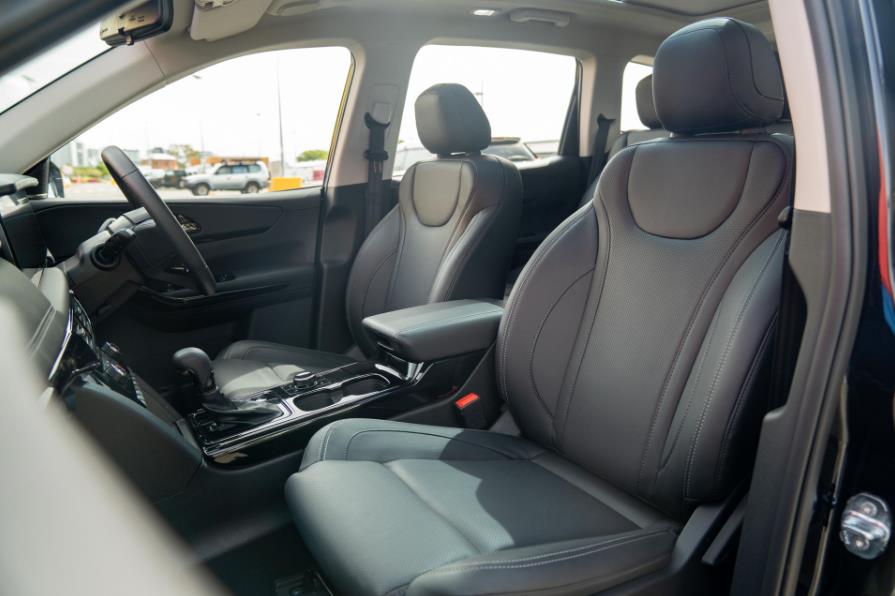
The family SUV segment has become one of the most competitive categories in the automotive market, blending practicality, style, and performance. Families today are not just looking for a vehicle that can transport them from point A to B—they want comfort, efficiency, safety, and a driving experience that feels premium without breaking the budget. This in-depth review explores the key aspects of modern family SUVs, focusing on interior space, ride comfort, and fuel consumption, helping consumers make informed choices.
Interior Space and Versatility
A family SUV’s most crucial attribute is its ability to adapt to the needs of both passengers and cargo. Spaciousness is no longer measured solely by cubic feet of cargo volume; thoughtful design plays a huge role. Many SUVs now feature flexible seating arrangements, such as split-folding rear seats, sliding second-row seats, and optional third rows, which allow families to balance passenger comfort and storage capacity with ease.
Cabin ergonomics have improved significantly, with user-friendly infotainment systems, intuitive climate controls, and ample storage compartments. Even compact SUVs often now provide sufficient legroom for adults in the rear seats, addressing one of the long-standing criticisms of this segment. Additionally, high-quality materials, soft-touch surfaces, and customizable ambient lighting enhance the perception of space and create a more inviting environment.
When assessing a family SUV, consider headroom, shoulder space, and cargo flexibility. Some models feature hands-free power liftgates and underfloor storage, which simplify loading groceries, strollers, and luggage, making everyday life significantly easier.
Comfort and Ride Quality
Modern family SUVs prioritize ride comfort alongside handling. Suspension systems are tuned to absorb road imperfections while maintaining stability in corners, striking a balance between softness and responsiveness. Luxury-inspired amenities such as ventilated and heated seats, multi-zone climate control, and adjustable lumbar support are becoming increasingly common even in non-premium models, reflecting consumer demand for comfort on both short errands and long road trips.
Noise, vibration, and harshness (NVH) levels have also decreased across the segment. Manufacturers employ better insulation, acoustic glass, and engine mounts designed to minimize cabin intrusion, resulting in quieter, more serene journeys. For families with young children, a smoother ride translates to fewer disruptions during car rides and longer, more comfortable trips.
Technological features enhance comfort further. Adaptive cruise control, semi-autonomous lane-keeping, and advanced suspension modes allow drivers to adjust the vehicle’s behavior for different scenarios, improving both driver and passenger comfort.
Fuel Efficiency and Driving Experience
Fuel economy remains a top concern for families, particularly in regions where commuting and road trips are frequent. Advances in engine technology, hybrid powertrains, and lightweight materials have significantly improved efficiency without compromising performance. Many SUVs now offer hybrid or plug-in hybrid variants capable of exceeding 35–40 mpg in combined driving cycles, while still delivering sufficient power for highway driving and city maneuvering.
Turbocharged engines and mild-hybrid systems provide a good balance between acceleration and fuel consumption. For larger three-row SUVs, diesel or turbocharged V6 engines remain popular choices for those who need towing capability without sacrificing too much efficiency. Some models even feature regenerative braking and energy recovery systems to further reduce fuel consumption in stop-and-go traffic.
The driving experience of family SUVs has evolved from purely utilitarian to engaging. Steering has become more precise, suspension systems more adaptive, and transmissions smoother, offering drivers confidence and comfort simultaneously. For families, this means a vehicle that is easy to drive in urban environments but capable on longer journeys without fatigue.
Safety and Technology Integration
While not the main focus, safety and technology heavily influence the overall family SUV experience. Modern vehicles incorporate comprehensive driver assistance systems, including automatic emergency braking, blind-spot monitoring, and cross-traffic alerts. Rear-seat reminder systems, child seat anchors, and robust crash-test ratings provide peace of mind for parents.
Entertainment and connectivity features also contribute indirectly to comfort and convenience. Wireless smartphone integration, rear-seat screens, and multiple USB charging ports help keep passengers engaged, reducing the stress of long drives. Over-the-air software updates now allow some SUVs to improve infotainment and safety features without visiting a dealership, reflecting the integration of automotive technology into everyday life.
Choosing a family SUV requires evaluating multiple factors: how well the vehicle accommodates passengers and cargo, the quality of the ride, and the efficiency of its powertrain. Today’s models demonstrate remarkable versatility, balancing comfort, space, and fuel economy in ways that were rare even a decade ago. Families no longer need to compromise style or technology for practicality. By focusing on interior space, ride comfort, and fuel efficiency, prospective buyers can find an SUV that meets both daily commuting needs and weekend adventure aspirations, ensuring a rewarding and reliable ownership experience.





Leave a Reply