 Trusted Car Reviews, News & Buying Advice.
Electric vehicles (EVs) have rapidly transitioned from niche technology to mainstream mobility solutions in Europe and North America, driven by the urgent push for sustainability, government incentives, and the growing sophistication of battery technology. However, owning an EV is not simply about plugging in and driving; proper maintenance is essential for performance, safety, and longevity. Unlike internal combustion vehicles, EVs require a distinct approach to care, focusing heavily on the battery, tires, and software systems. Understanding these components, their maintenance requirements, and common pitfalls can save owners both time and money while maximizing vehicle efficiency and lifespan.
The heart of any EV is its battery pack, which not only powers the car but also represents the most significant portion of its cost. Lithium-ion batteries have improved dramatically in both energy density and cycle life, yet they remain sensitive to charging habits, temperature extremes, and prolonged disuse. One of the most critical practices for battery longevity is managing the state of charge. Unlike conventional vehicles, EVs do not benefit from being charged to 100% on a daily basis. Most manufacturers recommend maintaining the battery within a 20–80% range for everyday use, reserving full charges for long trips. Fast charging is convenient, but excessive use can accelerate chemical degradation. Balancing fast and slow charging sessions helps preserve capacity over thousands of cycles. Temperature management is equally crucial, especially in regions with extreme winters or hot summers. Many modern EVs come with thermal management systems, but parking in shaded areas during summer or using pre-conditioning features in winter can further protect the battery from stress. Long periods of inactivity require partial charging and regular monitoring to prevent deep discharge, which can irreversibly damage the battery.
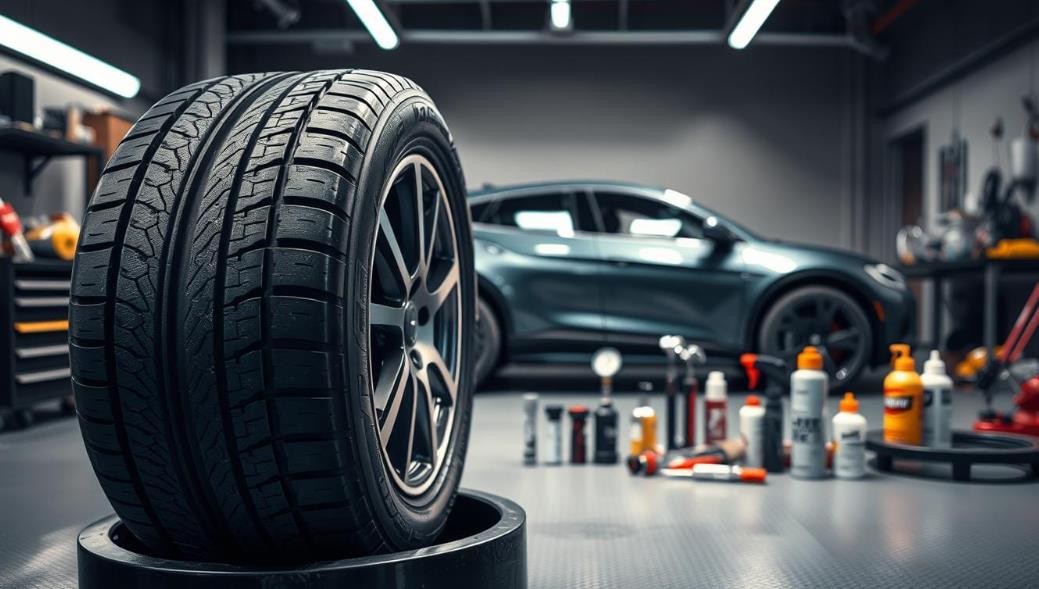
Tires represent another critical but often overlooked aspect of EV maintenance. The unique weight distribution and higher torque of electric motors place different demands on tire selection and care compared to gasoline vehicles. EVs tend to be heavier due to the battery pack, which increases rolling resistance and can accelerate tire wear. Maintaining proper tire pressure is vital not only for longevity but also for safety and range efficiency. Underinflated tires reduce efficiency and handling, while overinflated tires can compromise traction and ride comfort. Rotating tires regularly, typically every 5,000–8,000 miles, ensures even wear and prolongs life. Many EV owners also benefit from selecting tires specifically designed for electric vehicles. These often feature reinforced sidewalls to handle increased torque and optimized tread compounds to reduce rolling resistance, balancing performance and efficiency. Seasonal tire management is critical in colder climates; winter tires provide improved traction and safety without significantly impacting battery range when properly chosen.
While batteries and tires involve physical maintenance, software updates are an increasingly vital component of EV care. Unlike traditional cars, where software is largely static, modern EVs rely on continuous software evolution to optimize performance, efficiency, and safety features. Manufacturers regularly release over-the-air updates that can improve battery management, enhance regenerative braking, refine suspension settings, and even add entirely new functionalities. Staying current with these updates ensures that the vehicle performs optimally and maintains compliance with manufacturer recommendations. Ignoring software updates can lead to suboptimal energy usage, degraded performance, or missed safety enhancements. Additionally, monitoring onboard diagnostic tools and mobile apps provides owners with real-time data on battery health, tire pressure, and vehicle alerts, allowing proactive intervention before minor issues escalate into costly repairs.
EV maintenance also benefits from a preventative mindset. Unlike combustion engines, EVs have fewer moving parts, resulting in reduced overall maintenance requirements. There is no need for oil changes, timing belt replacements, or fuel system maintenance, but this does not mean they are maintenance-free. Brake systems still require inspection, though regenerative braking often extends pad life considerably. Suspension components, cooling systems, and high-voltage connections should be periodically checked by certified technicians. For owners, understanding the specific service schedule recommended by the manufacturer is crucial. Many brands provide mobile-friendly guides or smart maintenance reminders that integrate with the car’s infotainment system, reducing the risk of missed service intervals.
Another emerging trend in EV care is the integration of data-driven insights. Telematics and connected vehicle technologies allow manufacturers and third-party apps to analyze driving patterns, charging behavior, and environmental factors. This data helps optimize battery usage, recommend tire rotations, or predict component wear. For enthusiasts and tech-savvy owners, these analytics tools offer actionable insights that go beyond traditional maintenance checklists. Combined with professional inspections, they can ensure that an EV performs at peak efficiency over its lifespan.
Sustainability is at the core of the EV ownership experience, and responsible maintenance practices amplify these benefits. Extending battery life reduces the environmental impact of production and disposal, while properly maintained tires reduce rolling resistance, enhancing energy efficiency and minimizing road pollution. Software updates and predictive maintenance further reduce unnecessary wear and resource consumption. The cumulative effect is not just a longer-lasting vehicle but a tangible contribution to greener transportation and lower total cost of ownership.
In conclusion, EV maintenance requires a strategic approach tailored to the unique characteristics of electric mobility. Batteries, tires, and software updates are the pillars of long-term performance, and understanding their intricacies ensures safety, efficiency, and reliability. By adopting best practices—moderating charging habits, monitoring tire condition, embracing software updates, and leveraging predictive analytics—owners can maximize the lifespan and enjoyment of their electric vehicles. As EV adoption continues to accelerate, staying informed and proactive about maintenance is no longer optional but essential for every conscientious owner. Proper care ensures that the promise of electric driving—clean, efficient, and technologically advanced mobility—is realized every time the vehicle hits the road.


Leave a Reply