 Trusted Car Reviews, News & Buying Advice.
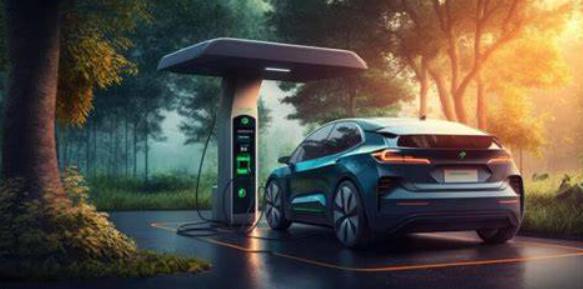
The electric vehicle (EV) industry has undergone transformative growth over the past decade, evolving from niche environmental experiments into a mainstream segment reshaping the automotive landscape. By 2026, the global EV market is expected to solidify its position as a core component of mobility in Europe and North America, driven by technological innovation, regulatory pressure, and evolving consumer behavior. This shift reflects not only a response to climate change concerns but also an acknowledgment of the economic and operational advantages that EVs offer compared to internal combustion engine vehicles.
The rise of electric vehicles in mainstream markets is largely fueled by advancements in battery technology. Lithium-ion batteries, long the backbone of electric propulsion, are increasingly complemented by solid-state batteries, which promise higher energy density, faster charging times, and improved safety. Manufacturers such as Tesla, BMW, and Rivian are aggressively investing in these technologies, anticipating a gradual transition from conventional lithium-ion packs to next-generation solid-state solutions over the next few years. This transition is expected to significantly extend driving ranges and reduce charging frequency, addressing one of the key barriers to EV adoption: range anxiety.
Charging infrastructure remains a critical factor in the widespread adoption of electric vehicles. Across North America and Europe, governments and private enterprises are collaborating to expand the availability of high-speed charging networks. For instance, in the United States, initiatives backed by the Infrastructure Investment and Jobs Act are expected to double the number of fast-charging stations by 2026. Similarly, European nations are standardizing charging protocols to ensure interoperability and seamless consumer experiences. As infrastructure improves, consumer confidence in EV ownership is likely to increase, driving higher adoption rates among urban and suburban populations alike.
Another pivotal trend shaping the EV market is the emergence of intelligent energy management systems. These systems integrate vehicle-to-grid (V2G) technology, allowing EVs not only to consume electricity but also to feed energy back into the grid. Such integration can stabilize energy demand fluctuations, support renewable energy utilization, and provide additional revenue streams for vehicle owners. Companies like Nissan and Volkswagen are already experimenting with V2G-enabled fleets, signaling that future EV ecosystems will be as much about energy management as transportation.
Consumer preferences are evolving in parallel with technological advancements. Modern EV buyers increasingly prioritize performance, connectivity, and sustainability over traditional automotive attributes. Features such as autonomous driving capabilities, over-the-air software updates, and smart infotainment systems are becoming standard considerations for consumers evaluating their next vehicle purchase. Luxury EV segments, in particular, are seeing growth in demand as affluent buyers seek vehicles that combine environmental responsibility with high-end technology and comfort. Meanwhile, mass-market EV models continue to gain traction, supported by competitive pricing, government incentives, and a growing public understanding of total cost of ownership benefits.
Sustainability and supply chain transparency are also exerting considerable influence on the EV industry. European consumers, in particular, are scrutinizing the ethical sourcing of raw materials such as cobalt, nickel, and lithium. In response, manufacturers are investing in responsible mining partnerships, recycling programs, and alternative materials to reduce environmental and social impacts. By 2026, supply chain accountability is expected to become a critical differentiator among brands, influencing both consumer choices and regulatory compliance.
The competitive landscape in the EV sector is becoming increasingly diversified. Traditional automakers such as Ford and Mercedes-Benz are ramping up electrification efforts, while startups like Lucid Motors and Canoo introduce innovative models targeting niche segments. Chinese EV manufacturers are also aggressively expanding into North American and European markets, leveraging cost advantages and scalable production capacities. This heightened competition is driving rapid innovation, pushing companies to differentiate not only through technology but also through customer experience, brand perception, and ecosystem integration.
Economic and policy factors will continue to influence market growth in 2026. Carbon emission regulations, government subsidies, and tax incentives are critical levers encouraging EV adoption. The European Union’s Fit for 55 package and U.S. clean energy initiatives exemplify how policy frameworks are shaping automotive markets, incentivizing both consumers and manufacturers to embrace electrification. At the same time, energy costs and raw material price fluctuations could introduce volatility in vehicle pricing and production planning, requiring companies to implement flexible strategies to maintain profitability.
Finally, the electrification of commercial and fleet vehicles is gaining momentum. Logistics companies, ride-sharing services, and municipal fleets are increasingly adopting electric vans, trucks, and buses to reduce operational costs and meet sustainability targets. This shift not only expands the overall EV market but also accelerates the development of heavy-duty battery technology and charging solutions capable of supporting high-utilization vehicles. As fleets electrify, economies of scale will further lower the cost of EV ownership, making them more accessible to individual consumers.
In conclusion, the electric vehicle market in 2026 is poised for continued expansion, driven by advancements in battery technology, infrastructure development, consumer preferences, and policy support. While challenges such as supply chain sustainability and energy market volatility persist, the industry’s trajectory suggests a future where electric mobility is not only viable but dominant in both European and North American markets. Manufacturers that successfully integrate technology, consumer experience, and sustainability into their offerings will emerge as leaders in this rapidly evolving landscape, while consumers benefit from a broader selection of vehicles that combine performance, efficiency, and environmental responsibility.



Leave a Reply