 Trusted Car Reviews, News & Buying Advice.
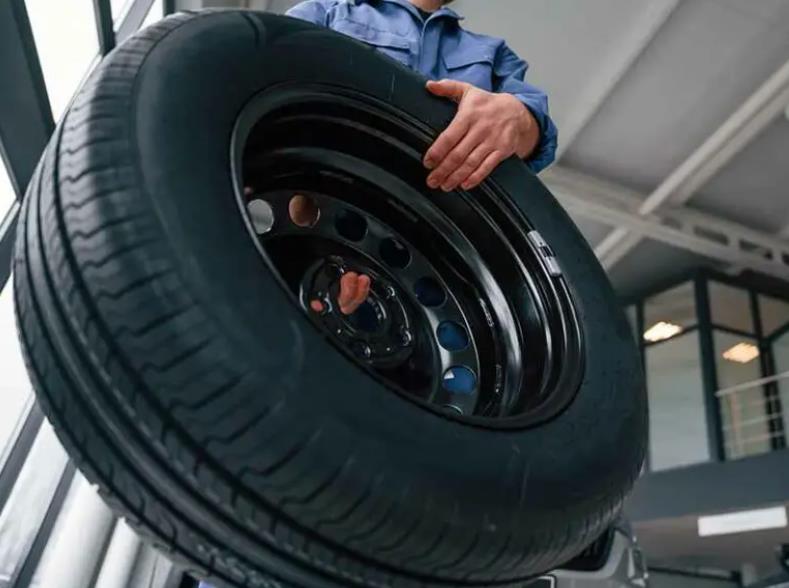
Tires are one of the most overlooked components of a vehicle, yet they play a crucial role in safety, fuel efficiency, and driving comfort. For drivers in the United States and Europe—where long-distance commutes, diverse terrains, and seasonal temperature swings are common—tire wear is a serious and expensive issue. A full set of four tires can easily cost anywhere from $600 to $1,200 for common passenger vehicles, and far more for SUVs, trucks, or performance cars. Because of this, most drivers want to maximize the lifespan of their tires without compromising safety.
The good news: with proper care, maintenance, and driving habits, you can extend tire life by thousands—even tens of thousands—of miles. This detailed guide explains how tire wear actually happens, what practical steps drivers can take to slow it down, and how climate, vehicle type, and road conditions affect tire longevity. Whether you are a new driver or a seasoned automotive enthusiast, these expert tips will help you get more value out of every mile.
Understanding What Actually Determines Tire Lifespan
Before diving into maintenance tips, it is useful to understand what truly affects how long your tires last. Tire wear is not random; it is influenced by predictable physical and environmental factors.
Tire compound and UTQG rating
A tire’s rubber compound largely determines how quickly it wears. Softer compounds grip the road better—especially in performance or summer tires—but wear out faster. Harder compounds, typically used in touring or all-season tires, last longer but may provide less traction in extreme conditions.
In the United States, tires are rated using the UTQG (Uniform Tire Quality Grading) system, which includes:
- Treadwear rating: Higher numbers = longer lifespan
- Traction: Indicates wet braking performance
- Temperature: Rates heat resistance at high speed
Touring all-season tires usually have treadwear ratings between 500 and 800, while high-performance tires may fall between 200 and 400.
Driving habits
Your everyday driving style has a bigger impact on tire wear than most people realize. Quick accelerations, hard braking, high-speed cornering, and constant stop-and-go traffic wear tires down much faster. Smooth and consistent driving results in significantly slower tread wear.
Tire pressure
Improper inflation is one of the primary causes of premature tire wear. Underinflated tires overheat, wear the edges faster, and reduce fuel economy. Overinflated tires cause the center tread to wear more quickly and reduce the tire’s contact patch with the road.
Wheel alignment and suspension condition
If your car’s wheels are not properly aligned, tires will wear unevenly. Even a small alignment issue can shave thousands of miles off tire life. Worn ball joints, control arms, and bushings can also contribute to irregular tread wear.
Road surfaces and climate
Road quality varies drastically across the U.S. and Europe. In the Midwest and Northeast, potholes caused by winter freeze-thaw cycles damage suspension components and lead to early tire wear. Hot climates in the southern U.S. cause rubber to soften, increasing the rate of tread deterioration. Meanwhile, European highways—especially in Germany—allow higher speeds, putting more heat and stress on tires.
All of these factors explain why tire lifespan varies so much between drivers. But no matter where you live, the following expert strategies will help extend your tire life.
Maintaining Proper Tire Pressure
One of the simplest and most effective ways to extend tire life is to maintain the correct tire pressure. Tires naturally lose pressure over time—typically around 1 to 2 PSI per month. Temperature changes accelerate this: for every 10°F (or about 5°C) drop in temperature, tire pressure can decrease by 1 PSI. That’s why tires tend to appear underinflated during winter.
Why proper inflation matters
- Underinflation by 20% can reduce tire lifespan by up to 25%.
- Overinflation causes uneven wear and a rougher ride.
- Correct tire pressure improves handling, braking, and fuel efficiency.
How often should you check tire pressure?
For optimal results, check your tire pressure:
- At least once per month
- Before long trips
- Whenever temperatures change significantly
- When your vehicle’s TPMS (Tire Pressure Monitoring System) warns you
Always refer to the manufacturer’s recommended pressure found on the driver-side door jamb, not the number printed on the tire itself.
Getting Regular Tire Rotations
Rotating your tires ensures that each tire wears evenly over time. Because of the engine layout and weight distribution, front tires on front-wheel-drive vehicles wear out much faster than rear tires. The opposite can be true for rear-wheel-drive cars, and all-wheel-drive vehicles require rotations to protect the drivetrain.
Recommended rotation intervals
Most manufacturers recommend rotating tires every 5,000 to 7,500 miles. If you drive aggressively, frequently tow, or use your vehicle for ridesharing, you may need more frequent rotations.
Why tire rotation is important
- Equalizes tread wear
- Extends total tire lifespan
- Improves vehicle stability
- Maintains balanced traction on all wheels
Different vehicles require different rotation patterns. Front-wheel-drive, rear-wheel-drive, and all-wheel-drive vehicles each have their own optimal rotation method, which a professional shop can perform quickly.
Ensuring Accurate Wheel Alignment
Even if your tire pressure is perfect and you rotate tires regularly, misaligned wheels will still cause accelerated wear. Wheel alignment refers to the precise angles at which your tires contact the road, including camber, caster, and toe.
Signs your alignment is off
- Vehicle pulls to one side
- Steering wheel is crooked while driving straight
- Tires show uneven wear on the inner or outer edges
- Steering vibration at highway speeds
- Poor handling or wandering
How alignment affects tire lifespan
A single alignment issue can cut tire lifespan by several thousand miles. Even hitting a deep pothole at 35–45 mph (55–70 km/h) can knock wheels out of alignment.
Professional alignments typically cost $80–$150 in the U.S. and €70–€140 in Europe—far less than the cost of replacing a set of tires prematurely.
Practicing Smooth, Tire-Friendly Driving Habits
Your tires only have a limited amount of rubber, and aggressive driving behaviors burn through that rubber quickly. Small changes in driving style can significantly extend tire life.
Habits that accelerate tire wear
- Hard braking
- Rapid acceleration
- Sharp cornering
- Driving at high speeds for extended periods
- Hitting potholes or curbs
Habits that extend tire life
- Smooth and gradual braking
- Slow acceleration from a stop
- Taking turns more gently
- Maintaining consistent highway speeds
- Avoiding road hazards when possible
When you brake hard, your tires experience intense friction and heat. When you accelerate quickly, the tread scrubs the pavement aggressively. Smooth inputs reduce this stress and help maintain even wear.
Keeping Tires Properly Balanced
Wheel balancing ensures that weight is evenly distributed around the tire and wheel assembly. Even a small imbalance can cause the steering wheel to vibrate, especially at 60–75 mph (100–120 km/h). This vibration accelerates tread wear and stresses suspension components.
If you feel vibration at highway speeds, hear unusual noises, or see uneven wear patterns, it’s time for a balance check. Most shops offer inexpensive balancing services, often combined with rotation.
Inspecting Tires Regularly for Damage
Small issues can turn into big problems if ignored. A quick monthly visual inspection can prevent premature tire failure.
What to look for
- Cracks on the sidewall
- Bulges or bubbles
- Embedded nails, screws, or sharp objects
- Uneven tread depth
- Cupping or scalloping patterns
- Dry rot, especially in hot climates
Tread depth and legal standards
In the U.S., the legal minimum tread depth is 2/32 of an inch. In Europe, it is 1.6 mm. However, many safety experts recommend replacing tires around 4/32 or 3 mm for optimal wet traction.
You can use a tread depth gauge or the “penny test” to evaluate wear.
Understanding How Load and Cargo Affect Tire Wear
Carrying heavy loads puts additional stress on your tires. Overloading a vehicle causes excessive heat buildup, faster wear, and can even lead to blowouts.
Drivers who tow trailers, haul equipment, or load large cargo—common in pickup trucks and SUVs—should pay close attention to:
- Load Index on the tire
- Gross Vehicle Weight Rating (GVWR)
- Correct tire pressure for heavy loads
- Tire temperature after long towing trips
Keeping weight within recommended limits protects both tires and suspension components.
How Different Tire Types Wear Over Time
Not all tires are designed to last the same amount of time. Choosing the right type of tire for your driving environment has a direct impact on lifespan.
All-Season Tires
The most common tire type in North America, designed for a balance of longevity, comfort, and moderate weather performance. Their harder compounds typically provide excellent mileage.
Touring Tires
Known for long tread life, quiet operation, and efficiency. Ideal for highway and suburban drivers looking for maximum lifespan.
Performance Tires
These prioritize grip and handling over durability. Their soft compounds wear much faster, especially during aggressive driving or high-speed operation.
All-Terrain Tires
Used for SUVs and trucks. Wider tread blocks and aggressive patterns provide off-road traction but can wear faster on paved roads.
Winter Tires
Designed for cold climates. They are made from soft rubber that remains flexible in freezing temperatures, but they wear rapidly in warm weather. For longevity, winter tires should only be used during winter months.
Run-Flat Tires
These can be driven temporarily even when punctured, but often wear out quicker and cost more to replace.
Understanding the strengths and weaknesses of each tire type helps drivers set realistic expectations for lifespan.
Climate and Road Conditions Across the U.S. and Europe
No two regions treat tires the same way. Your location has a significant impact on how quickly tires wear.
Hot Southern States (Texas, Florida, Arizona)
- Asphalt becomes extremely hot
- Tire pressure increases rapidly
- Rubber compounds soften, accelerating wear
Northern States (Michigan, Minnesota, New York)
- Winter cold stiffens tire rubber
- Freeze-thaw cycles create potholes
- Salt accelerates tire and wheel corrosion
Mountain Regions (Colorado, Utah, Switzerland, Austria)
- Steep climbs increase load on front tires
- Frequent braking causes early wear
- Temperatures vary drastically with altitude
European Motorways
- Higher average driving speeds
- More aggressive braking on roundabouts
- Seasonal tire changes common in northern Europe
These regional factors help explain why two drivers with the same car and tires may get drastically different mileage.
Why Tire Age Matters Even If Tread Looks Good
Tires do not last forever, even if the tread appears deep. Rubber degrades over time through oxidation, heat, UV exposure, and general aging.
Most experts recommend replacing tires after 6 to 10 years, regardless of tread depth. On the sidewall, you’ll find a four-digit DOT code—for example, “3019”—which means the tire was produced in the 30th week of 2019.
If your tires are over six years old, inspect them carefully for cracks or dryness. Older tires become brittle, reducing their ability to grip the road or absorb impacts.
When It’s Time to Replace Your Tires
Even with the best maintenance, tires eventually need replacement. Warning signs include:
- Tread depth below legal limits
- Visible steel belts
- Sidewall bulges
- Frequent loss of air pressure
- Excessive vibration
- Uneven or scalloped wear patterns
- Tires older than 6–10 years
Driving on worn-out tires increases stopping distance, reduces wet traction, and raises the risk of blowouts—especially at highway speeds.
Saving Money on Tire Replacement
Because tire costs add up quickly, many drivers want to reduce the expense. Fortunately, there are several ways to save money without sacrificing quality.
Choose a value-oriented brand
Well-rated mid-tier brands like Cooper, Kumho, Hankook, and Falken provide strong performance at lower prices. Premium brands—Michelin, Continental, and Goodyear—offer exceptional longevity but cost more upfront.
Shop at wholesale or membership clubs
Costco, Sam’s Club, and BJ’s often include free balancing, rotations, and repairs, increasing long-term value.
Compare warranties
Many stores offer “road hazard warranties” that cover punctures or damage from potholes. For areas with rough roads, these plans can be cost-effective.
Buy at the right time of year
Retailers offer discounts during holiday sales—especially Black Friday, Memorial Day, and early spring promotions.
The Essential Practices for Long-Lasting Tires
Extending the life of your tires doesn’t require mechanical expertise—just consistent habits. The most important steps are:
- Maintain correct tire pressure
- Rotate tires at regular intervals
- Keep wheels aligned
- Drive smoothly and avoid unnecessary stress on tires
- Inspect for damage monthly
- Choose the right type of tire for your driving environment
By following these expert-approved practices, drivers in the United States, Canada, and Europe can significantly reduce tire replacement costs, improve fuel efficiency, and enhance road safety. Ultimately, well-maintained tires not only last longer but also help your vehicle perform at its best—no matter the season, terrain, or driving conditions.




Leave a Reply